Indian cooking
Indian cooking / Dishes / Rajma Chawal
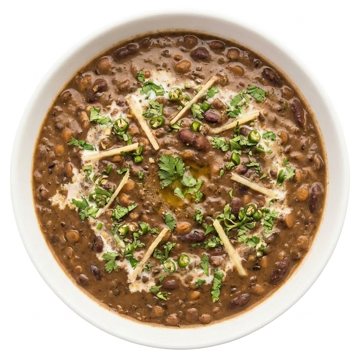
Rajma Chawal (Slow-Cooked Kidney Beans with Cumin, Ginger and Chilli)

Rajma Chawal

Slow-Cooked Kidney Beans with Cumin, Ginger and Chilli
VegetarianOrigin North India

A slow-cooked kidney bean and chana dal curry with a rich onion, tomato and ginger base, warm whole spices and a tangy finish. It tastes savoury, gently spicy and lightly sour, and is served with rice.

Whole spices for the oil

8 gAdded to the hot oil before the onions (step 5)
Keep whole: fry them together in the hot oil for 20 seconds.

Ground spices for the sauce

4.4 gStirred into the onion-tomato base before the beans go in (step 9)
01
0.8 g¼ teaspoon
spice
02
3.6 g2 teaspoons
spice
Stir together; add to the pan for a few seconds before the beans.

Finishing spices

7 gStirred in at the end, off the heat (step 11)
01
0.7 g¼ teaspoon
spice blend
Stir together; add at the end and remove the pan from the heat.

Everything else

01
300 g
legume
02
60 g
legume
03
2.3 g½ teaspoon
other
04
40 g3 tablespoons
oil/fat
05
Onion · Pyazfinely chopped
300 g2 onions
vegetable
06
3 g2 chillies
vegetable
07
Tomato · Tamatartinned, chopped
190 g
vegetable
08
20 g5 cm
aromatic
09
to taste
salt
10
30 g2 tablespoons
other

Method

  1. Drain 300 g dried red kidney beans (soaked overnight) and put them in a large pan with 60 g chana dal and about 1.5 litres water.
  2. Bring to a boil, then simmer for 1 hour, skimming off the foam, until the pulses are tender.
  3. Lower the heat and simmer for 20 minutes, then stir in 2.3 g bicarbonate of soda and cook for 10 minutes more.
  4. Drain, keeping the cooking liquid, then crush a few of the beans and dal with a masher and set aside.
  5. Heat 40.5 g vegetable oil in a heavy pan over medium heat, add the whole spices for the oil and fry for 20 seconds.
  6. Add 300 g finely chopped onion and fry for 8–9 minutes, stirring, until softened and lightly browned.
  7. Add 4 g finely chopped green bird’s eye chilli and fry for 1 minute, then add 190 g tinned chopped tomato and cook for 3 minutes.
  8. Add 20 g thinly sliced fresh ginger and fry for 2 minutes, until the sauce thickens slightly.
  9. Stir in the ground spices for the sauce for a few seconds, then add the drained mashed beans and dal and mix well.
  10. Pour in 525 ml of the reserved cooking liquid, season with salt to taste, bring to a boil and simmer on low for 30 minutes, stirring occasionally so it does not stick.
  11. Stir in the finishing spices, take the pan off the heat and garnish with 30 g chopped coriander and butter.

Don't have something?

Dried red kidney bean
  • Dried chickpea

    Use equal weight. Soak overnight and boil until tender; texture is firmer and nuttier, but it carries thick, spiced gravies equally well.

  • Whole black gram

    Use equal weight, soaked overnight and pressure-cooked. Yields a creamier, starchier gravy with an earthier taste rather than distinct, firm beans.

Chana dal
  • Yellow split peas

    Use 100% of the weight. Soak for at least 1 hour; takes about 10 minutes longer to cook through and has a marginally earthier flavour.

  • Pigeon peas

    Use 100% of the weight. Reduces cooking time by about 10 minutes and breaks down softer, giving a smoother consistency rather than distinct grains.

  • Black gram

    For tempering or tadka only: use 70% of the weight. Browns faster in hot oil, providing a nutty, crunchy bite.

Bicarbonate of soda
  • Baking soda

    Use the same weight; it is the same ingredient under another name.

  • Baking powder

    Use about 3 g baking powder for 1 g bicarbonate of soda; it already contains acid, so expect slight extra rise and a different taste in baking.

  • Alkaline water

    Only for soaking or tenderising, not baking; use enough to cover and expect a much weaker effect.

Vegetable oil
  • Peanut oil

    Use 1:1 by weight. Handles high-heat frying identically and introduces a very subtle, pleasant nuttiness.

  • Ghee

    Use 1:1 by weight. Yields a much richer, authentic aroma and a glossy, heavier mouthfeel.

  • Mustard oil

    Use 1:1 by weight. Heat until smoking, then cool slightly before cooking to temper its intensely pungent, sharp mustard kick.

Cumin seed
  • Ground cumin

    Use 70% of the weight; add with ground spices or sauce bases rather than hot oil tempering, where it scorches quickly and turns bitter.

  • Black cumin seeds

    Use equal weight for oil tempering. Delivers an earthy profile with an additional musky, smoky, and slightly bitter edge.

  • Fennel seed

    Use 60% of the weight for tempering; offers comparable warm aroma, but leans sweet and liquorice-like rather than savoury and earthy.

Dried kashmiri chilli
  • Kashmiri chilli powder

    Use 1 g powder for every 1.5 g whole dried chilli; whisk with a spoonful of warm water and stir into the masala to provide identical ruby colour and mild heat.

  • Dried red chilli

    Use 35% to 40% of the weight; discard seeds before tearing into oil to temper. Delivers a much fiercer heat, with significantly less red colouring.

Cassia bark
  • Ceylon cinnamon

    True cinnamon: thinner, papery quills, milder and sweeter. Use about 1.5 times the weight, and taste.

  • Ground cinnamon (cassia)

    Use about a third of the weight (0.5 g ground for a 2.5 cm piece), stirred in with the ground spices rather than fried whole, since the powder burns quickly.

  • Cassia buds

    Use 60-70% of the weight; stronger and more peppery, so taste before adding more.

Onion
  • Shallot

    Use equal weight, finely sliced. Shallots soften and brown faster, giving a slightly sweeter and more delicate base to curries.

  • Cabbage

    Use 80% of the weight, finely shredded and browned slowly with a pinch of asafoetida. Replicates the bulk and natural sweetness in gravies without allium.

Green bird's eye chilli
  • Bird's eye green chilli

    Use the same weight; heat and flavour are very close.

  • Green chilli

    Use 1.5 to 2 times the weight; deseed for less heat. Larger chillies are more watery.

  • Fresh green chilli

    Use 1.5 to 2 times the weight; chop finely and adjust heat by tasting.

Tomato
  • Tomato purée

    Use 40% to 50% of the fresh tomato weight mixed with a splash of water. Imparts a deeper red colour, thicker sauce, and slightly sweeter cooked flavour.

  • Plain yogurt

    Use 60% of the weight, whisked smooth and added on low heat. Provides rich body and sourness, though the gravy becomes paler and creamier.

Fresh ginger
  • Ginger paste

    Use equal weight. Sauté in hot fat until the raw allium smell disappears; slightly wetter, but provides identical warmth and pungency.

  • Ground ginger

    Use 20% to 25% of the weight (1 g for every 4 to 5 g fresh). Stir into the gravy; adds peppery heat and warmth, though it misses the crisp, zesty kick of raw root.

Ground turmeric
  • Ground ginger

    Use 50% of the weight. Mimics turmeric's warm, earthy, rhizome background, but provides none of the golden-yellow colour.

  • Saffron

    Steep a tiny pinch (0.1 g per 2 g turmeric) in 2 tbsp warm water; use to match the rich golden hue. Contributes an aristocratic, honeyed floral flavour rather than earthy bitterness.

Ground coriander
  • Coriander seeds

    Dry-roast lightly in a pan and grind to a fine powder; use equal weight (1:1). Offers a noticeably fresher, brighter citrus note.

  • Ground cumin

    Use 50% to 75% of the weight. Lacks the floral, citrusy profile of coriander and turns the gravy heavier, earthier, and darker.

  • Garam masala

    Use 50% of the weight and stir in near the end of cooking. Adds warmth and depth since it contains ground coriander, but introduces stronger spices like clove and cinnamon.

Garam masala
  • Ground cumin

    Use 50% of the weight mixed with equal parts ground coriander and a pinch of ground cinnamon, ground cloves, and ground green cardamom. Sprinkle near the end for a warming finish.

  • Lentil stew spice mix

    Use 75% of the weight. Simmer briefly in the gravy; imparts roasted warmth and complexity, though it adds a slight tang and earthy lentil undertone.

Ground pomegranate seed
Coriander and butter
  • Coriander leaf

    Use the stated weight of coriander leaf and the stated weight of butter separately; chop the leaf and mash into soft butter. If only one weight is given, use equal weights.


  • Ghee

    Replace the butter weight for weight with ghee and mix with the same weight of chopped coriander leaf; gives a nuttier aroma.

  • Coriander chutney

    Use the same weight as the coriander component and stir into the same weight of soft butter; looser and sharper.

Similar dishes

Punjabi Kaali Dal
Black Lentil Curry with Garlic, Tomato and Ginger
It tastes thicker and creamier from urad dal and cream, with garlic and butter richness, and is less tangy than this dish because it has no pomegranate powder.
  • Same: Punjabi Kaali Dal shares a slow-cooked legume base of kidney beans and chana dal with onion, tomato, ginger, cumin, green chilli and garam masala.
  • Different: It adds whole urad dal, garlic, asafoetida, tomato purée, butter and single cream, and lacks this dish’s bicarbonate of soda, cassia bark, dried Kashmiri chilli and pomegranate powder.
Rasse Misse Rajma
Home-style Kidney Beans
Rasse Misse Rajma tastes richer from ghee and more cardamom-garlic-forward, with less sourness than this dish.
  • Same: Rasse Misse Rajma shares kidney beans, an onion-tomato gravy base, cumin, coriander, ginger and chilli with this dish.
  • Different: Rasse Misse Rajma uses ghee instead of vegetable oil and butter, adds garlic paste, black cardamom, bay leaf and black pepper, and lacks chana dal, bicarbonate of soda, pomegranate powder, turmeric, garam masala, cassia bark and green bird’s eye chilli.
Punjabi Chole
Chickpea Curry with Ginger, Pomegranate and Tea
Punjabi Chole tastes more sour from pomegranate and lemon and has a light sweet note, while this dish tastes savoury, gently spicy and only lightly sour with rice.
  • Same: Punjabi Chole shares with this dish a slow-cooked dried-legume base with chana dal, an onion-tomato-ginger masala, cumin seed, ground coriander, pomegranate powder and vegetable oil.
  • Different: Punjabi Chole uses chickpeas instead of kidney beans, adds a strong teabag, garlic, asafoetida, black salt, dried fenugreek leaf, sugar and lemon juice, and lacks this dish’s cassia bark and butter finish.
Malyali Kozhi Biryani
Southern Indian Chicken Biryani
Malyali Kozhi Biryani tastes aromatic, savoury and mildly rich from coconut milk and sweet fried onions, cashews and raisins, while this dish tastes savoury, gently spicy and lightly sour.
  • Same: Malyali Kozhi Biryani shares onion, ginger, green bird’s eye chilli, turmeric, ground coriander, garam masala, kashmiri chilli, cassia bark, vegetable oil, butter and coriander with this dish.
  • Different: Malyali Kozhi Biryani uses chicken, basmati rice, coconut milk, curry leaf, fennel, black pepper, cardamom, bay leaf, cashews, raisins and sugar, and lacks this dish’s kidney beans, chana dal, bicarbonate of soda, tomato and pomegranate powder; it is layered with rice rather than a slow-cooked bean curry.