Indian cooking
Indian cooking / Dishes / Quinoa Upma
Quinoa Upma (Curry Leaf & Tomato Quinoa)

Quinoa Upma

Curry Leaf & Tomato Quinoa
VegetarianPrep 40 minutes, plus soaking timeCook 10 minutes

A light South Indian-style warm grain dish where nutty quinoa is folded into a savoury tomato and onion sauce infused with crisp curry leaves, mustard seeds, and gentle chilli heat.

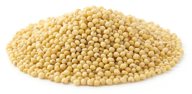
Tempering spices

3.3 gAdded to the hot oil with the dried chilli (step 2)
01
3.3 g1 teaspoon
spice
Keep whole: they go directly into the hot oil.

Ground spices for the sauce

0.7 gStirred in with the tomatoes (step 3)
01
0.7 g¼ teaspoon
spice
Keep as a powder ready to stir into the pan.

Everything else

01
100 g
grain
02
to taste
salt
03
27 g2 tablespoons
oil/fat
04
5 g20 leaves
herb
05
Onion · Pyazfinely chopped
150 g1 onion
vegetable
06
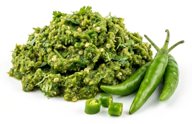
5 g1 chilli
vegetable
07
Ginger · Adrakpeeled and finely chopped
4.8 g1 cm
aromatic
08
Tomato · Tamatarcoarsely chopped
120 g1 tomato
vegetable
09
2.1 g½ teaspoon
sweetener
10
3 g1 tablespoon
herb
11
25 g½ lemon
fruit

Method

  1. Submerge 100 g quinoa in a bowl of cold water for 15 minutes, then drain and rinse thoroughly under running water. Transfer to a large saucepan with 300 ml water and salt to taste, bring to a boil, and cook for 15–18 minutes until tender with a slight bite and visible white rings around the grains. Drain off any remaining liquid using a colander.
  2. Warm 2 tbsp oil in a large pan over medium heat. Drop in 1 dried red chilli (broken into 3 pieces) along with the tempering spices and allow them to crackle for 30 seconds. Add 5 g curry leaf and cook for 30 seconds until crisp, then stir in 150 g onion and sauté for 6–8 minutes until starting to turn golden.
  3. Stir in 1 green chilli and 4.8 g ginger and cook for 1 minute. Add 120 g tomato, salt to taste, and the ground spices for the sauce, then simmer for 8–10 minutes until the moisture evaporates and the tomatoes break down into a thick sauce.
  4. Fold in the cooked quinoa and heat through for 1–2 minutes. Stir in 2.1 g granulated sugar, 1 tbsp coriander, and the juice of 0.5 lemon before serving hot.

Don't have something?

Quinoa
  • Millet

    Use the same weight; rinse and cook 15–20 minutes until tender. Similar tiny grains but softer and less nutty.

  • Bulgur wheat

    Use the same weight; cook 10–12 minutes or soak as directed. Nuttier and chewier, and not gluten-free.

  • Broken rice

    Use the same weight; cook 12–15 minutes. Starchier and softer, so reduce liquid slightly.

Corn or vegetable oil
  • Vegetable oil

    Use the same weight. It is neutral and reliable for frying, tempering and curries.

  • Corn oil

    Use the same weight. It is light and neutral with a faint sweetness; no other adjustment needed.

  • Groundnut oil

    Use the same weight. It is heavier and nuttier, so use it where a stronger oil flavour is acceptable.

Dried red chilli
  • Dried kashmiri chilli

    Use equal weight whole. Fry in hot oil or ghee as tempered spice; gives a richer red colour with slightly milder heat.

  • Red chilli powder

    Use 50% to 70% of the weight. Stir into the oil with ground spices; distributes heat evenly throughout the dish without whole chilli skins.

Mustard seed
  • Black mustard seed

    Use the same weight. The seeds are smaller and hotter; fry in hot oil until they pop, about 20–30 seconds, and reduce the heat if they darken too fast. The dish will be a little sharper.

  • Yellow mustard seeds

    Use the same weight. They are milder and larger; fry a few seconds longer until they pop. The finished dish will have less pungency.

  • Ground mustard seed

    Use 70% of the weight of whole seed, added with the other ground spices rather than fried whole. You lose the popping texture and the heat comes through more evenly.

Curry leaf
  • Bay leaf

    Fry 1 bay leaf for every 5 curry leaves in hot oil; imparts a warm, woodsy background note, but misses the citrus-sulphury punch entirely.

  • Lime juice

    Add a small squeeze (about 5 ml per sprig of curry leaves) right before serving; provides sharp citrus top notes without the toasty, herbal aroma.

Onion
  • Shallot

    Use equal weight, finely sliced. Shallots soften and brown faster, giving a slightly sweeter and more delicate base to curries.

  • Cabbage

    Use 80% of the weight, finely shredded and browned slowly with a pinch of asafoetida. Replicates the bulk and natural sweetness in gravies without allium.

Fresh green chilli
  • Green chilli

    Use the same weight, deseed for less heat, and chop as required.

  • Jalapeño chilli

    Use the same weight, deseed if you want it milder. Heat is gentler and flavour greener.

  • Green chilli paste

    Use 70% of the weight and stir in earlier so it distributes evenly. Adjust salt.

Ginger
  • Fresh ginger

    Use equal weight; scrape off the skin and grate or finely julienne according to the recipe.

  • Ginger paste

    Use equal weight; stir straight into the sizzling aromatics, taking care as the extra moisture may spit.

  • Ground ginger

    Use 15 to 20% of the weight; add alongside ground spices, noting it imparts warm, dry heat rather than zesty freshness.

Tomato
  • Tomato purée

    Use 40% to 50% of the fresh tomato weight mixed with a splash of water. Imparts a deeper red colour, thicker sauce, and slightly sweeter cooked flavour.


  • Plain yogurt

    Use 60% of the weight, whisked smooth and added on low heat. Provides rich body and sourness, though the gravy becomes paler and creamier.

Chilli powder
  • Red chilli powder

    Use 100% of the weight. Provides direct, sharp heat and red colour in equal measure.

  • Kashmiri chilli powder

    Use 150% to 200% of the weight if matching colour, but add a pinch of black pepper or hot chilli if you need equivalent fiery heat.

  • Cayenne pepper

    Use 75% to 100% of the weight. Offers a sharp, clean heat with slightly less earthy depth and less crimson colour.

Granulated sugar
  • Jaggery

    Use equal weight; grate or shave finely so it dissolves rapidly, giving a warm, caramel-like sweetness and slightly darker sauce.

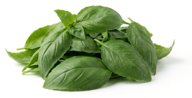
Coriander (cilantro) or basil
  • Coriander leaves

    Use the same weight when basil is missing. It gives a fresher, more citrusy note and is less sweet than basil.

  • Basil leaves

    Use the same weight when coriander is missing. It is sweeter and more aniseed-like, so use a little less if the dish already has strong spices.

  • Mint leaves

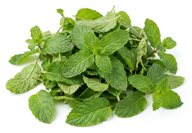
    Use half to two-thirds of the weight; mint is more cooling and dominant, so add gradually and taste.

Lemon
  • Lime

    Use the same weight or juice amount; sharper, so taste before adding all the juice.

  • Lemon juice

    Use about 45–50 ml for 1 lemon; add off the heat to keep the freshness.

  • Dried mango powder

    Use 1 tsp for the juice of 1 lemon; add early. Sourness is flatter and less fresh.

Similar dishes

Meen Kozhambu
Fish Kozhambu
Meen Kozhambu has a much tangier, richer, and more pungent spice profile compared to the mild, savory, and lightly sweet flavor of this dish.
  • Same: Meen Kozhambu shares an onion and tomato base seasoned with mustard seeds, curry leaves, fresh ginger, and chilli powder.
  • Different: Meen Kozhambu is a wet fish curry cooked in vegetable oil with garlic, fenugreek seeds, turmeric, tamarind, and coconut cream, rather than a dry grain dish featuring quinoa and sugar.
Vendakkai Masala Pachadi
Spicy Southern Okra
Vendakkai Masala Pachadi is richer, creamier, and tangier than this lighter, mildly sweet grain dish.
  • Same: Vendakkai Masala Pachadi shares an onion and tomato base tempered with mustard seeds and curry leaves with this dish.
  • Different: Instead of quinoa, it uses fried okra simmered into a gravy enriched with fresh coconut and yogurt, spiced with cumin, urad dal, turmeric, and coriander.
Tamatar Rasam
Tomato Pepper Water
Tamatar Rasam tastes tangier, thinner, and more peppery-spiced than this dish, which tastes nutty from quinoa and warmly savoury with lemon brightness and gentle chilli heat.
  • Same: Tamatar Rasam shares with this dish a South Indian-style light profile, vegetable oil, onion, tomato, curry leaf, mustard seed, dried red chilli, chilli powder, sugar, salt, and coriander.
  • Different: Tamatar Rasam is a soup with 500 g tomato and 150 g onion, plus turmeric, cumin seed, urad dal, asafoetida, ground garlic, and 100 g coriander leaf, while this dish is a quinoa grain dish with 100 g quinoa, ginger, fresh green chilli, and lemon and lacks those rasam spices and dal.
Nariyal Tamatar ki Chutney
Tomato Coconut Chutney
It tastes richer, tangier and more coconut-sweet than this light, lemony quinoa upma.
  • Same: Nariyal Tamatar ki Chutney shares tomato, onion, curry leaf, mustard seed, dried red chilli, chilli powder, sugar, salt and vegetable oil with this dish.
  • Different: It is a coconut-and-dal condiment rather than a warm quinoa grain dish, and it adds coconut, fried chana dal, urad dal, cumin, asafoetida and turmeric while lacking quinoa and ginger.