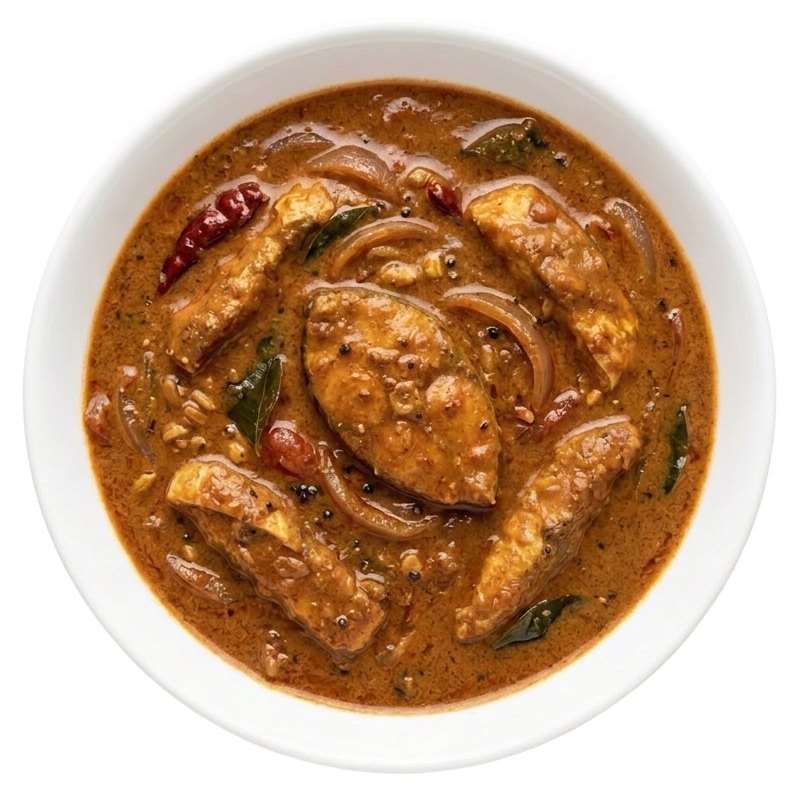
Meen Kozhambu
A South Indian fish curry cooked in a tangy tamarind and tomato sauce, enriched with creamy coconut cream. It delivers a lively balance of gentle heat, sourness, and warm coastal spices.
Mustard seeds
3.5 gFried in the hot oil first (step 1)Fenugreek seeds
1.9 gBloomed right after the mustard crackles (step 2)Ground spices
14 gStirred into the aromatics (step 4)Everything else

Method
- Warm 54 g vegetable oil in a heavy pan over medium heat. Tip in the mustard seeds and let them fry for about 1 minute until they begin crackling.
- Scatter in the fenugreek seeds and stir until pale golden, then add 2 dried red chillies and cook until they turn deep brown.
- Add 500 g sliced onion and sauté for roughly 1 minute. Add 15 g crushed ginger and 2 tablespoons crushed garlic, cooking for another 2 minutes until fragrant.
- Lower the heat. Stir in 2 g curry leaves, the ground spices, and salt to taste, cooking gently for 30 seconds.
- Tumble in 480 g roughly chopped tomato and cook for roughly 5 minutes until soft and broken down, then blend in 1 tablespoon tamarind paste.
- Place 1000 g fish fillets into the sauce, cover the pan, and simmer gently for 10 to 15 minutes until the fish is cooked through.
- Pour in 225 g coconut cream to warm through, drizzle with the juice of 0.5 lemon, and serve.
Don't have something?


 Peanut oil
Use 1:1 by weight. Handles high-heat frying identically and introduces a very subtle, pleasant nuttiness.
 Ghee
Use 1:1 by weight. Yields a much richer, authentic aroma and a glossy, heavier mouthfeel.
 Mustard oil
Use 1:1 by weight. Heat until smoking, then cool slightly before cooking to temper its intensely pungent, sharp mustard kick.


 Mustard seeds
Use equal weight. Pop in hot fat until they crackle and turn greyish; yields an almost identical nutty, pungent finish.
 Yellow mustard seeds
Use equal weight. Fry over medium heat; delivers a milder, sweeter pop and turns bitter quickly if the oil is excessively hot.


- Mustard seed
Use 50% of the weight, crush or grind. Sharper heat and less maple-bitter; fry briefly in oil before adding.
 Caraway seeds
Use the same weight, crush lightly. Similar bitter-seed note but more aniseed; reduce other sweet spices slightly.
 Ajwain seeds
Use 25–30% of the weight, crush. Much stronger thyme-like flavour; do not overdo.


 Dried kashmiri chilli
Use equal weight whole. Fry in hot oil or ghee as tempered spice; gives a richer red colour with slightly milder heat.
 Red chilli powder
Use 50% to 70% of the weight. Stir into the oil with ground spices; distributes heat evenly throughout the dish without whole chilli skins.




 Fresh ginger
Use equal weight; scrape off the skin and grate or finely julienne according to the recipe.
 Ginger paste
Use equal weight; stir straight into the sizzling aromatics, taking care as the extra moisture may spit.
 Ground ginger
Use 15 to 20% of the weight; add alongside ground spices, noting it imparts warm, dry heat rather than zesty freshness.



 Garlic paste
Use equal weight. Fry gently in oil or ghee with the ginger; incorporates smoothly into curries without visible minced bits.
 Garlic powder
Use 15% to 20% of the weight (about 1 g for every 5 to 6 g fresh cloves). Whisk into sauces; gives a savoury, toasted garlic flavour without raw pungency.
 Shallot
Use 1.5 times the weight, very finely minced. Sauté until golden; provides savoury allium sweetness, though it lacks garlic's pungent sulphur bite.


 Bay leaf
Fry 1 bay leaf for every 5 curry leaves in hot oil; imparts a warm, woodsy background note, but misses the citrus-sulphury punch entirely.
 Lime juice
Add a small squeeze (about 5 ml per sprig of curry leaves) right before serving; provides sharp citrus top notes without the toasty, herbal aroma.


- Ground ginger
Use 50% of the weight. Mimics turmeric's warm, earthy, rhizome background, but provides none of the golden-yellow colour.
 Saffron
Steep a tiny pinch (0.1 g per 2 g turmeric) in 2 tbsp warm water; use to match the rich golden hue. Contributes an aristocratic, honeyed floral flavour rather than earthy bitterness.


- Red chilli powder
Use 100% of the weight. Provides direct, sharp heat and red colour in equal measure.
 Kashmiri chilli powder
Use 150% to 200% of the weight if matching colour, but add a pinch of black pepper or hot chilli if you need equivalent fiery heat.
 Cayenne pepper
Use 75% to 100% of the weight. Offers a sharp, clean heat with slightly less earthy depth and less crimson colour.


 Tomato purée
Use 40% to 50% of the fresh tomato weight mixed with a splash of water. Imparts a deeper red colour, thicker sauce, and slightly sweeter cooked flavour.
 Plain yogurt
Use 60% of the weight, whisked smooth and added on low heat. Provides rich body and sourness, though the gravy becomes paler and creamier.


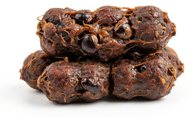 Tamarind pulp
Use 120–150% of the weight and strain; pulp is less concentrated, so simmer a little longer to thicken.
 Tamarind extract
Use 150–200% of the weight and reduce gently; extract is already diluted.
- Lime juice
Use 60–70% of the weight with a pinch of jaggery; sharper, so add near the end off the heat.


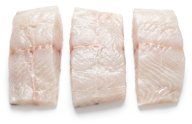 Firm white fish fillet
Use the same weight, cut to the same thickness. Cooking time is almost identical; check after 5 minutes.
 Firm fish fillet
Use the same weight. If thicker, add 2–3 minutes simmering; do not stir roughly.
 Boneless fish
Use the same weight, cut into fillet-like pieces. Check carefully for bones; cooking time is similar.


 Coconut milk
Use 1.25 times the weight and simmer to reduce back to the original weight; it is thinner and less rich.
 Coconut, fresh or desiccated
For 100 g cream, blend 60 g fresh coconut or 40 g desiccated coconut with 60 g hot water, then strain; use the thick top layer.
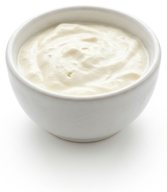 Cream
Use the same weight for a dairy version; it lacks coconut flavour but gives similar richness.


 Lime
Use the same weight or juice amount; sharper, so taste before adding all the juice.
 Lemon juice
Use about 45–50 ml for 1 lemon; add off the heat to keep the freshness.
 Dried mango powder
Use 1 tsp for the juice of 1 lemon; add early. Sourness is flatter and less fresh.


Similar dishes

- Same: Both are South Indian fish curries cooked in vegetable oil with onions, garlic, ginger, curry leaves, fenugreek seeds, and turmeric.
- Different: Vatticha Mathi Kari relies on cambodge for sourness and uses whole dried chillies, coriander seeds, and peppercorns, while omitting tomatoes, black mustard seeds, and coconut cream.

- Same: Maachher Roast also features fish seasoned with onion, ginger, turmeric, and chilli powder.
- Different: It is cooked in ghee rather than vegetable oil, uses vinegar and sugar instead of tomatoes, and omits the garlic, curry leaves, mustard seeds, and fenugreek seeds used in this dish.

- Same: Bhajela Saranga uses fish prepared with vegetable oil, onions, ginger, garlic, turmeric, and chillies, just like this dish.
- Different: Bhajela Saranga is coated in a paste soured with lime juice, wrapped in parcels, and pan-fried, omitting this dish's mustard seeds, fenugreek, curry leaves, tomatoes, and simmered sauce.

- Same: Machhali ka Salan shares with this dish a fish-and-tomato curry base soured with tamarind and seasoned with turmeric, chilli powder, and dried red chilli.
- Different: Machhali ka Salan uses coconut milk instead of coconut cream, adds ground coriander and ginger-garlic paste, and lacks this dish's mustard seed, fenugreek, curry leaf, and lemon.