Indian cooking
Indian cooking / Dishes / Pineapple Pickle
Pineapple Pickle ()

Pineapple Pickle

VegetarianMakes ABOUT 450 G (1 LB)

A tangy Indian pineapple pickle in a mustard- and chilli-spiced oil, cooked until partly broken down but still chunky. It tastes sour, hot and slightly sweet, with a mustard-fenugreek finish.

Whole spices for the oil

10 gFrying in the oil (step 2)
01
10 g1 tablespoon
spice
Keep whole: they go into the hot oil and fry until they splutter.

Frying spices

14 gCooked with curry leaves after the mustard seeds (step 3)
Keep the dried chillies whole and the ground spices ready to add together.

Finishing ground spices

5 gStirred in at the end of cooking (step 6)
Keep ground; stir both in after the pineapple has cooked down.

Everything else

01
183 g200 ml
oil/fat
02
~30 ghandful
herb
03
500 g
fruit
04
101 g100 ml
souring agent
05
to taste
sweetener
06
to taste
salt

Method

  1. Heat 183 g vegetable oil in a large heavy-based frying pan over medium heat.
  2. Add 9.9 g mustard seed and fry for about 30 seconds, until they splutter.
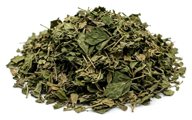
  3. Add 30 g curry leaf and the frying spices (6 g dried kashmiri chilli, 5.2 g kashmiri chilli powder and 3 g ground turmeric); cook for about 1 minute without burning the spices.
  4. Add 500 g diced pineapple and 101 g white wine vinegar, then season to taste with caster sugar and sea salt.
  5. Reduce the heat to low and cook for about 20 minutes, until half the pineapple has broken into a rough purée and the rest still holds its shape.
  6. Stir in 2 g ground mustard seed and 3.3 g ground fenugreek and mix well.
  7. Cool completely, then spoon into clean jars and cover.
  8. Store the jars in the refrigerator and use within 2–3 weeks.

Don't have something?

Vegetable oil
  • Peanut oil

    Use 1:1 by weight. Handles high-heat frying identically and introduces a very subtle, pleasant nuttiness.

  • Ghee

    Use 1:1 by weight. Yields a much richer, authentic aroma and a glossy, heavier mouthfeel.

  • Mustard oil

    Use 1:1 by weight. Heat until smoking, then cool slightly before cooking to temper its intensely pungent, sharp mustard kick.

Mustard seed
  • Black mustard seed

    Use the same weight. The seeds are smaller and hotter; fry in hot oil until they pop, about 20–30 seconds, and reduce the heat if they darken too fast. The dish will be a little sharper.

  • Yellow mustard seeds

    Use the same weight. They are milder and larger; fry a few seconds longer until they pop. The finished dish will have less pungency.

  • Ground mustard seed

    Use 70% of the weight of whole seed, added with the other ground spices rather than fried whole. You lose the popping texture and the heat comes through more evenly.

Curry leaf
  • Bay leaf

    Fry 1 bay leaf for every 5 curry leaves in hot oil; imparts a warm, woodsy background note, but misses the citrus-sulphury punch entirely.

  • Lime juice

    Add a small squeeze (about 5 ml per sprig of curry leaves) right before serving; provides sharp citrus top notes without the toasty, herbal aroma.

Dried kashmiri chilli
  • Kashmiri chilli powder

    Use 1 g powder for every 1.5 g whole dried chilli; whisk with a spoonful of warm water and stir into the masala to provide identical ruby colour and mild heat.

  • Dried red chilli

    Use 35% to 40% of the weight; discard seeds before tearing into oil to temper. Delivers a much fiercer heat, with significantly less red colouring.

Kashmiri chilli powder
  • Dried kashmiri chilli

    Grind deseeded dried pods to an equal weight of powder; gives identical vivid red colour and gentle warmth.

  • Red chilli powder

    Use 25% of the weight mixed with sweet paprika for colour; straight red chilli powder is substantially hotter and will make the dish fiery.

  • Chilli powder

    Use one-third of the weight; the sauce will be less intensely red and notably sharper in heat.

Ground turmeric
  • Ground ginger

    Use 50% of the weight. Mimics turmeric's warm, earthy, rhizome background, but provides none of the golden-yellow colour.

  • Saffron

    Steep a tiny pinch (0.1 g per 2 g turmeric) in 2 tbsp warm water; use to match the rich golden hue. Contributes an aristocratic, honeyed floral flavour rather than earthy bitterness.

Pineapple
  • Canned pineapple

    Use the same drained weight; pat dry before cooking. It is sweeter, so reduce added sugar.

  • Green mango

    Use the same weight; it is much more sour, so add a little sugar and cook 5 minutes longer until soft.

  • Apple

    Use the same weight; it holds shape but is less acidic. Add a squeeze of lemon and cook 5 minutes longer.

White wine vinegar
  • White vinegar

    Use the same weight but taste: it is sharper, so use 10–20% less if strong.

  • Malt vinegar

    Use the same weight; it is darker and maltier, so it will tint pale dishes.

  • Lemon juice

    Use the same weight or 10% more; add off the heat to keep it fresh.

Caster sugar
  • Granulated sugar

    Use the same weight. It is slightly coarser, so stir a little longer to dissolve; in baking, grind briefly if a fine texture matters.

  • Demerara sugar

    Use the same weight, but dissolve it earlier as it is coarser. It adds a light caramel note and a little colour.

  • Ground jaggery or soft brown sugar

    Use the same weight; crush or grate jaggery first. It darkens the dish and adds molasses flavour, so reduce other liquid slightly.

Ground mustard seed
  • Mustard powder

    Use equal weight (1:1). Whisk with a tablespoon of cold water 10 minutes prior to adding to develop full pungent heat, or stir directly into curries for gentle warmth.

  • Yellow mustard seeds

    Grind to a fine powder in a spice grinder; use equal weight (1:1). Gives mild, tangy heat without overpowering the sauce.

  • Black mustard seed

    Grind finely; use 75% of the weight. Noticeably more pungent, peppery, and bitter than yellow ground mustard.

Ground fenugreek
  • Fenugreek seeds

    Grind whole seeds finely in a spice grinder; use equal weight (1:1). Ensure it cooks through gently, as undercooked or burnt ground seeds become intensely bitter.

  • Dried fenugreek leaves

    Crush dried leaves between your palms and add towards the end; use 50% of the weight. Gives the unmistakable maple-herb aroma without the sharp bitterness of the seeds.


  • Yellow mustard seeds

    Grind finely; use 50% of the weight. Adds an earthy, sharp bite, though it lacks the distinctive sweet-curry smell.

Similar dishes

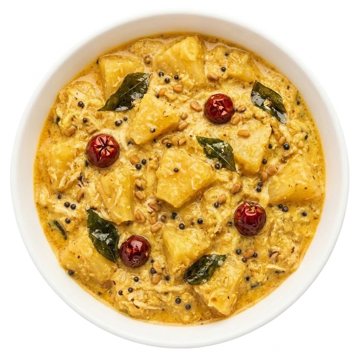
Pineapple Pachadi
Pineapple and Coconut Relish with Turmeric and Curry Leaves
Pineapple Pachadi tastes creamy and coconut-rich with yoghurt tang and mild chilli warmth, while this dish is a hotter, aromatic sweet-sour pickle.
  • Same: Pineapple Pachadi shares pineapple, mustard seed, curry leaf, turmeric, dried red chilli and fenugreek with this dish.
  • Different: Pineapple Pachadi adds fresh coconut, yoghurt, cumin and green bird’s eye chilli and uses water, while this dish uses white wine vinegar and much more vegetable oil and has no coconut or yoghurt.
Pickled Beef
Pickled Beef is tangy, warm and mustardy with a chilli and ginger kick, while this dish is sweet-sour and hot with an aromatic spice base.
  • Same: Pickled Beef shares mustard seed, ground fenugreek, turmeric, Kashmiri chilli and a oil-and-vinegar pickling style with this dish.
  • Different: Pickled Beef uses bavette steak, mustard oil plus vegetable oil, ginger garlic paste, lime juice and malt vinegar, while this dish uses pineapple, vegetable oil, curry leaves, white wine vinegar and caster sugar.
Curry Leaf Mayonnaise
It tastes rich, herby and mustardy with gentle warmth, whereas this dish is sweet-sour, hot and aromatic with soft chunky pineapple.
  • Same: It shares vegetable oil, mustard seed, curry leaf, dried Kashmiri chilli and ground turmeric with this dish.
  • Different: It is an egg-yolk emulsion with lemon juice and infused curry leaf oil, while this dish is a pineapple pickle with white wine vinegar, sugar, ground mustard and fenugreek.
Annanas ka Raita
Pineapple Raita
Annanas ka Raita tastes cooling, creamy and lightly tart-sweet from yogurt and pineapple, while this dish tastes hot, sour and aromatic from chilli, vinegar and fried spices.
  • Same: Annanas ka Raita shares pineapple as the main fruit and a spiced aroma with this dish.
  • Different: Annanas ka Raita is a yogurt side with canned pineapple, toasted cumin and black pepper, and it lacks this dish's vegetable oil, white wine vinegar, mustard seed, curry leaf, Kashmiri chilli, turmeric and fenugreek.