
Pickled Beef
Pickled beef is steak cut into small pieces, cooked down, then stored under spiced oil, lime juice and vinegar. It tastes tangy, warm and mustardy, with a chilli and ginger kick.
Spiced oil masala
139 gStirred into the hot pan after frying the beef (step 5)Pickling spices
16 gAdded to the jar with the lime juice and vinegar (step 6)Everything else

Method
- Slice 1000 g bavette steak into 2 cm pieces.
- Rinse the meat three times in cold water, scatter over 0.3 g sea salt and leave in a colander to drain for 20 minutes.
- Set a dry frying pan over low heat, add the meat and stir constantly until the released liquid has evaporated; lift out the meat.
- Pour 183 g mustard oil and 183 g vegetable oil into the same pan and heat. Fry the beef in batches until browned all over.
- Switch off the heat. Stir in the spiced oil masala — 90 g ginger garlic paste, 31.2 g kashmiri chilli powder and 18 g ground turmeric — then leave the pan to cool.
- Pack the beef into a sterilised jar. Pour over the cooled flavoured oil, then add the pickling spices — 9.9 g ground fenugreek and 6 g ground mustard seed — followed by 207 g lime juice and 203 g malt vinegar. Season with a little salt and stir so the flavours mix.
Don't have something?


 Beef tenderloin steak
Use the same weight, sliced a little thicker. Cook 1–2 minutes less per side; more tender but less beefy, so brown well for flavour.
 Beef
Use the same weight, cut into thin strips across the grain and marinate 20 minutes. Fry fast over high heat; can be tougher than bavette.
 Venison rump steak
Use the same weight, sliced thinly. Cook 1 minute less; leaner and gamier, so reduce strong spices slightly.


 Peanut oil
Use equal weight. It handles high-heat cooking well, but lacks the signature pungent, nasal heat of mustard oil.
 Vegetable oil
Use equal weight. Neutral in flavour, so your curry will lack the characteristic Bengali or North Indian pungent punch.


- Peanut oil
Use 1:1 by weight. Handles high-heat frying identically and introduces a very subtle, pleasant nuttiness.
 Ghee
Use 1:1 by weight. Yields a much richer, authentic aroma and a glossy, heavier mouthfeel.
- Mustard oil
Use 1:1 by weight. Heat until smoking, then cool slightly before cooking to temper its intensely pungent, sharp mustard kick.

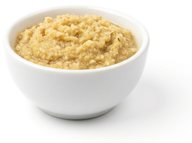
- Ginger and garlic paste
Use the same weight; the difference is only the order of the names.
 Garlic paste
Mix with an equal weight of ginger paste and use the same total weight.
 Garlic
For 20 g paste use about 10 g crushed garlic and 10 g grated ginger root with a splash of water. Add a little extra water if the dish looks dry.


 Dried kashmiri chilli
Grind deseeded dried pods to an equal weight of powder; gives identical vivid red colour and gentle warmth.
 Red chilli powder
Use 25% of the weight mixed with sweet paprika for colour; straight red chilli powder is substantially hotter and will make the dish fiery.
 Chilli powder
Use one-third of the weight; the sauce will be less intensely red and notably sharper in heat.


 Ground ginger
Use 50% of the weight. Mimics turmeric's warm, earthy, rhizome background, but provides none of the golden-yellow colour.
 Saffron
Steep a tiny pinch (0.1 g per 2 g turmeric) in 2 tbsp warm water; use to match the rich golden hue. Contributes an aristocratic, honeyed floral flavour rather than earthy bitterness.


 Fenugreek seeds
Grind whole seeds finely in a spice grinder; use equal weight (1:1). Ensure it cooks through gently, as undercooked or burnt ground seeds become intensely bitter.
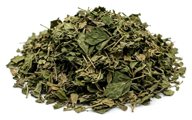 Dried fenugreek leaves
Crush dried leaves between your palms and add towards the end; use 50% of the weight. Gives the unmistakable maple-herb aroma without the sharp bitterness of the seeds.
 Yellow mustard seeds
Grind finely; use 50% of the weight. Adds an earthy, sharp bite, though it lacks the distinctive sweet-curry smell.


 Mustard powder
Use equal weight (1:1). Whisk with a tablespoon of cold water 10 minutes prior to adding to develop full pungent heat, or stir directly into curries for gentle warmth.
- Yellow mustard seeds
Grind to a fine powder in a spice grinder; use equal weight (1:1). Gives mild, tangy heat without overpowering the sauce.
 Black mustard seed
Grind finely; use 75% of the weight. Noticeably more pungent, peppery, and bitter than yellow ground mustard.



 Lemon juice
Use equal volume or weight; slightly sweeter and less pungent, but otherwise an imperceptible swap.
 Dried mango powder
Use 25% of the weight; imparts dry, fruity sourness, best stirred in right at the end of cooking.
 Tamarind extract
Use 50% of the weight; delivers pleasant fruity tang but turns pale sauces considerably darker.


 White malt vinegar
Use the same weight; sharper and clearer; reduce salt slightly.
 White vinegar
Use 90% of the weight, diluted with 10% water; harsher, so taste.
- Lime juice
Use the same weight; fresher sourness but no malt flavour; reduce salt.


Similar dishes

- Same: Pineapple Pickle shares vegetable oil, Kashmiri chilli powder, ground turmeric, ground mustard seed, ground fenugreek, sea salt and vinegar with this dish.
- Different: Pineapple Pickle uses pineapple instead of bavette steak, has no mustard oil, ginger garlic paste or lime juice, and adds whole mustard seed, curry leaves, dried Kashmiri chilli, white wine vinegar and caster sugar.

- Same: It shares ginger garlic paste, Kashmiri chilli powder, ground turmeric, ground fenugreek, ground mustard seed and a tangy souring element with this dish.
- Different: It is a cold vegetarian aubergine dish roasted and mashed with cumin, curry leaf, green chilli, garam masala, peanuts, sesame, chaat masala, sesame raita, papdi gathya and pomegranate, while this dish cooks bavette steak down and stores it under mustard oil and vegetable oil with lime juice and malt vinegar.
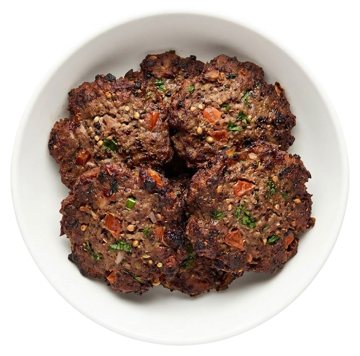
- Same: Chappali Kebab and this dish both use beef, Kashmiri chilli powder, ginger and vegetable oil, and both are tangy.
- Different: Chappali Kebab is minced beef mixed with egg, chickpea flour, green chilli, coriander, onion, tomato and pomegranate powder and fried as patties, while this dish uses bavette steak pieces cooked down and stored under mustard oil, lime juice and malt vinegar with turmeric, fenugreek and mustard seed.

- Same: Machu Rasin Chisik and this dish are both beef dishes with chilli and salt, and both have a sour element.
- Different: Machu Rasin Chisik is a slow-cooked braised stew with fresh sorrel leaves, spring onion, green chilli, alkaline water and bicarbonate of soda, while this dish uses steak cooked down and stored under mustard oil, vegetable oil, ginger garlic paste, kashmiri chilli powder, turmeric, fenugreek, mustard seed, lime juice and malt vinegar.