Indian cooking
Indian cooking / Dishes / Pindi Chana
Pindi Chana (Chickpeas (Garbanzo Beans) from Rawalpindi)

Pindi Chana

Chickpeas (Garbanzo Beans) from Rawalpindi
Vegetarian●●●Origin PunjabPrep 1 hour, plus soaking and standing timeCook 45 minutes

A classic North Indian dry chickpea dish infused with tea and whole spices, coated in a tart, earthy mix of amchoor and ajwain. It is robust, tangy, and mildly spiced with a deep savoury finish.

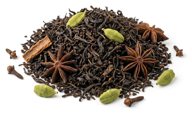
Whole spices for the pouch

17 gTied into the muslin pouch with ginger and tea leaves (step 4)
02
5 g4 pieces
spice
03
0.3 g4 cloves
spice
Leave whole to wrap inside the cloth.

Cumin seeds for tempering

2.1 gAdded to the hot oil in the wok (step 6)
01
2.1 g1 teaspoon
spice
Keep whole for frying.

Ground spices for the sauce

16 gStirred into the toasted gram flour (step 7)
01
2 g1 teaspoon
spice
02
5 g2 teaspoons
souring agent
03
2.6 g1 teaspoon
spice
Stir together to combine evenly.

Everything else

01
400 g
legume
02
54 g4 tablespoons
oil/fat
03
6 g1 tablespoon
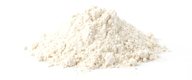
flour
06
to taste
salt
07
Ginger · Adrakpeeled and crushed
4.8 g1 cm
aromatic
08
4 g2 teaspoons
other
09
18 g4 teaspoons
oil/fat
10
Ginger · Adrakcut into juliennes
12 g1 piece
aromatic
11
31 g2 tablespoons
souring agent
12
Tomato · Tamatarcut into wedges
240 g2 tomatoes
vegetable
13
Onion · Pyazcut into rings
150 g1 onion
vegetable
14
12 g2 chillies
vegetable
15
Lemon · Nimbucut into wedges
150 g3 lemons
fruit

Method

  1. Soak 400 g dried chickpea in a large bowl of cold water for 2 hours.
  2. Place 12 g ginger (cut into juliennes) into a small bowl, pour over 30.6 g lemon juice, and set aside to pickle for the garnish.
  3. Drain the soaked chickpeas and transfer them to a deep, heavy saucepan. Cover generously with fresh water, bring to a boil, then lower the heat and simmer for 30 minutes. Take the pan off the heat, allow the chickpeas to sit undisturbed in the hot liquid for 1 hour, then drain.
  4. Make an aromatic potli by placing the whole spices for the pouch, 4.8 g ginger (peeled and crushed), and 2 tsp tea leaves into a square of clean muslin, gathering the corners and tying tightly with kitchen twine.
  5. Return the drained chickpeas to the saucepan with 1 litre of cold water. Bring to a rolling boil, drop the heat to low, and skim away any white foam from the surface. Pour in 18 g vegetable oil, submerge the spice pouch, cover with a lid, and simmer gently for about 25 minutes until the chickpeas are tender throughout without falling apart or losing their skins. Remove from the heat.
  6. Heat the remaining 54 g vegetable oil in a wok or kadhai set over medium heat. Tip in the cumin seeds for tempering and cook for roughly 1 minute until they sizzle and crackle.
  7. Scatter in 1 tbsp gram flour and fry for 30 seconds until lightly toasted and fragrant. Tip in the ground spices for the sauce, stir-fry for 1 minute, and season with salt to taste.
  8. Tip the cooked chickpeas into the wok and stir well to coat every bean in the spiced mixture. Take off the heat, taste and tweak the salt, then transfer to a serving platter.
  9. Garnish the top with 240 g tomato wedges, 150 g onion rings, 12 g green chilli, 3 lemon wedges, and the drained ginger juliennes before serving.

Don't have something?

Dried chickpea
  • Chana dal

    Use equal dry weight; soak for 30 minutes instead of overnight. Cooks much faster and produces a softer, creamier texture rather than firm, whole beans.

  • Dried red kidney bean

    Soak overnight and boil until tender; use equal dry weight. Provides a similarly meaty, sturdy bite, though with an earthier flavour and darker gravy.

Vegetable oil
  • Peanut oil

    Use 1:1 by weight. Handles high-heat frying identically and introduces a very subtle, pleasant nuttiness.

  • Ghee

    Use 1:1 by weight. Yields a much richer, authentic aroma and a glossy, heavier mouthfeel.

  • Mustard oil

    Use 1:1 by weight. Heat until smoking, then cool slightly before cooking to temper its intensely pungent, sharp mustard kick.

Cumin seed
  • Ground cumin

    Use 70% of the weight; add with ground spices or sauce bases rather than hot oil tempering, where it scorches quickly and turns bitter.

  • Black cumin seeds

    Use equal weight for oil tempering. Delivers an earthy profile with an additional musky, smoky, and slightly bitter edge.

  • Fennel seed

    Use 60% of the weight for tempering; offers comparable warm aroma, but leans sweet and liquorice-like rather than savoury and earthy.

Gram flour
  • Chickpea flour

    Use the same weight. Gram flour is chickpea flour, so this is an exact swap with the same nutty flavour and binding.

  • Plain flour

    Use about 75–80% of the weight, e.g. 80 g for 100 g gram flour, and add a pinch of turmeric for colour. Less nutty and less crisp; good only for thickening or simple batters.

  • Rice flour

    Use the same weight for crispness, but it does not bind like gram flour; mix with a little plain flour if making pakora batter.

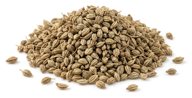
Ajwain seed
  • Carom seed

    Use the same weight; this is the same spice.

  • Cumin seed

    Use 75% of the weight, toasted; different, less medicinal flavour.

  • Fennel seed

    Use 50% of the weight, crushed; sweeter and milder.

Ground pomegranate seed
Amchoor
  • Lemon juice

    Use 15 g (1 tbsp) for every 5 g of amchoor. Stir in at the very end off the heat; adds liquid and fresh citrus aroma rather than dry fruity tang.

  • Tamarind extract

    Use 75% of the weight, dissolved in a splash of warm water. Simmer briefly; darkens the gravy and provides a deeper, caramelised sourness.

Chilli powder
  • Red chilli powder

    Use 100% of the weight. Provides direct, sharp heat and red colour in equal measure.

  • Kashmiri chilli powder

    Use 150% to 200% of the weight if matching colour, but add a pinch of black pepper or hot chilli if you need equivalent fiery heat.

  • Cayenne pepper

    Use 75% to 100% of the weight. Offers a sharp, clean heat with slightly less earthy depth and less crimson colour.

Ground fenugreek
  • Fenugreek seeds

    Grind whole seeds finely in a spice grinder; use equal weight (1:1). Ensure it cooks through gently, as undercooked or burnt ground seeds become intensely bitter.

  • Dried fenugreek leaves

    Crush dried leaves between your palms and add towards the end; use 50% of the weight. Gives the unmistakable maple-herb aroma without the sharp bitterness of the seeds.

  • Yellow mustard seeds

    Grind finely; use 50% of the weight. Adds an earthy, sharp bite, though it lacks the distinctive sweet-curry smell.

Bicarbonate of soda
  • Baking soda

    Use the same weight; it is the same ingredient under another name.

  • Baking powder

    Use about 3 g baking powder for 1 g bicarbonate of soda; it already contains acid, so expect slight extra rise and a different taste in baking.

  • Alkaline water

    Only for soaking or tenderising, not baking; use enough to cover and expect a much weaker effect.

Black cardamom pod
  • Ground black cardamom

    Use 0.5 g of ground seeds for each whole pod. Stir directly into the curry base; delivers identical smoky flavour without woody husks.

  • Green cardamom pod

    Use equal pod count or weight. Crack slightly and fry whole; tastes sweet, menthol-fresh, and floral rather than dark and smoky.

Cassia bark
  • Ceylon cinnamon

    True cinnamon: thinner, papery quills, milder and sweeter. Use about 1.5 times the weight, and taste.

  • Ground cinnamon (cassia)

    Use about a third of the weight (0.5 g ground for a 2.5 cm piece), stirred in with the ground spices rather than fried whole, since the powder burns quickly.

  • Cassia buds

    Use 60-70% of the weight; stronger and more peppery, so taste before adding more.

Clove
  • Ground cloves

    Use 1 g ground for 4 g whole (or 1 small pinch per 2 to 3 whole cloves). Add with spice powders; disperses intense warmth quickly, so use with restraint.

  • Allspice berries

    Use 100% of the weight whole in tempering. Imparts a warm, clove-like aromatic profile combined with hints of nutmeg and cinnamon.

  • Black cardamom pod

    Use 1 pod for 3 to 4 cloves in whole tempering. Shares a camphor-like warmth and medicinal depth, though it introduces a distinct smoky undertone.

Ginger
  • Fresh ginger

    Use equal weight; scrape off the skin and grate or finely julienne according to the recipe.

  • Ginger paste

    Use equal weight; stir straight into the sizzling aromatics, taking care as the extra moisture may spit.

  • Ground ginger

    Use 15 to 20% of the weight; add alongside ground spices, noting it imparts warm, dry heat rather than zesty freshness.

Tea leaf
  • Tea bag

    Use 1 bag for about 2 g tea leaf; open the bag if the recipe needs loose leaf.

  • Green tea leaves

    Use the same weight; lighter and less tannic, so steep a little longer and taste.

Lemon juice
  • Lime juice

    Use equal volume or weight; delivers almost identical sharp acidity with a faintly more aromatic, bitter-edged profile.

  • Dried mango powder

    Use 25% of the weight (about 1 g amchoor for 4 g juice); provides clean fruity tartness without thinning the sauce.

  • White vinegar

    Use 75% of the volume; gives direct sourness without any citrus floral fragrance.

Tomato
  • Tomato purée

    Use 40% to 50% of the fresh tomato weight mixed with a splash of water. Imparts a deeper red colour, thicker sauce, and slightly sweeter cooked flavour.

  • Plain yogurt

    Use 60% of the weight, whisked smooth and added on low heat. Provides rich body and sourness, though the gravy becomes paler and creamier.

Onion
  • Shallot

    Use equal weight, finely sliced. Shallots soften and brown faster, giving a slightly sweeter and more delicate base to curries.

  • Cabbage

    Use 80% of the weight, finely shredded and browned slowly with a pinch of asafoetida. Replicates the bulk and natural sweetness in gravies without allium.

Green chilli
  • Chilli powder

    Use 10 to 15% of the weight (about 1/4 teaspoon per chilli); imparts dry pungent heat and reddens the dish without the grassy crunch.

  • Dried red chilli

    Use 1 dried pod per fresh green chilli; snap in half and temper in hot oil for a deeper, toastier heat.

Lemon
  • Lime

    Use the same weight or juice amount; sharper, so taste before adding all the juice.

  • Lemon juice

    Use about 45–50 ml for 1 lemon; add off the heat to keep the freshness.

  • Dried mango powder

    Use 1 tsp for the juice of 1 lemon; add early. Sourness is flatter and less fresh.

Similar dishes

Khatte Chole
Sour Chickpeas (Garbanzo Beans)
It tastes milder and less intensely sour, relying solely on dried green mango powder rather than the combination of amchoor, lemon juice, and bitter-earthy ajwain.
  • Same: Khatte Chole shares a base of tea-darkened dried chickpeas cooked down with tomatoes, onions, ginger, cumin, and amchoor.
  • Different: It uses much less fat, relies on pre-blended garam masala rather than whole black cardamom, cinnamon, and cloves, and omits the ajwain, ground fenugreek, and lemon juice found in this dish.
Kabuli Chaneda Pulao
Chickpea (Garbanzo Bean) Pulao
Kabuli Chaneda Pulao tastes richer, buttery, and floral with herbal notes from mint and ghee, whereas this dish is markedly more tart, earthy, and pungent from amchoor and ajwain.
  • Same: Both dishes feature chickpeas cooked with onions, tomatoes, ginger, green chillies, lemon juice, and warm whole spices like black cardamom, cinnamon, and cloves.
  • Different: Kabuli Chaneda Pulao combines the chickpeas with basmati rice and slow-steams them in ghee under a dough seal with garlic, mint, and floral water, whereas this dish is a standalone dry chickpea curry cooked in vegetable oil with amchoor, ajwain, and fenugreek.
Aloo Chholey
Potato & Chickpea (Garbanzo Bean) Snack
It tastes starchier and simpler, lacking the deep, savory pungency that this dish gets from cooked aromatics, fenugreek, and warm whole spices.
  • Same: Aloo Chholey also features boiled chickpeas seasoned with chilli powder and soured with both amchoor and lemon juice.
  • Different: It adds potatoes and ground coriander but is tossed without any cooking oil, omitting this dish's tomatoes, onions, ginger, and whole spices like black cardamom, cinnamon, and ajwain.
Pesarcharu
Pepper Water with Green Chickpeas
Pesarcharu is lighter, more peppery, and sharply tamarind-tart, whereas this dish is intensely earthy, dry, and spiced with amchoor.
  • Same: Both dishes feature chickpeas cooked in vegetable oil and seasoned with cumin, fenugreek, cinnamon, and cloves.
  • Different: Pesarcharu is a soupy broth flavored with tamarind, mustard seeds, curry leaves, and black pepper, omitting this dish's onions, tomatoes, ajwain, and amchoor.