Indian cooking
Indian cooking / Dishes / Mutton Qorma
Mutton Qorma (Lamb Korma (I))

Mutton Qorma

Lamb Korma (I)
Non-vegetarian●●●Origin DelhiPrep 20 minutes, plus marinating timeCook 1 hour 30 minutes

A rich, deeply fragrant braised lamb curry with a luxurious sauce enriched by ground almonds, poppy seeds, browned onions, and whisked yogurt.

Paste spices

46 gBlended with the chopped onion and almonds (step 2)
01
13 g1½ tablespoons
spice
02
31 g6 tablespoons
spice
03
0.7 g10 cloves
spice
04
0.6–0.8 g8–10 pods
spice
Keep whole; blend directly with the nuts and onion to make a paste.

Everything else

01
50 g
aromatic
02
24 g1 piece
aromatic
03
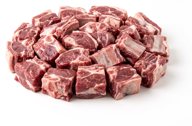
Lamb · Goshtcut into pieces
1000 g
meat
04
Onion · Pyazroughly chopped
50 g
vegetable
05
50 g
nut/seed
06
250 g
oil/fat
07
150 g
vegetable
08
254 g250 ml
dairy
10
to taste
salt
11
to taste
herb

Method

  1. Pound 50 g garlic, 24 g ginger, and a pinch of salt into a paste. Smear this completely over 1000 g lamb, cover, and transfer to the refrigerator to marinate for 2 hours.
  2. Combine 50 g onion, 50 g almond, and the paste spices in a food processor, grinding them into a smooth mixture.
  3. Warm 250 g ghee in a heavy saucepan set to medium heat. Add 150 g sliced onion and fry for 5 to 7 minutes until richly browned, then lift them out with a slotted spoon and set aside.
  4. Drop the prepared spice and almond paste into the hot ghee, frying for 3 minutes. Introduce the marinated lamb and cook for about 5 minutes, until the pan dries out and the juices have evaporated.
  5. Pour 250 g warm water into the pan, turn down the heat, cover, and leave to simmer gently for roughly 1 hour, stirring every so often until the meat is nearly tender.
  6. Process the reserved fried onions to a paste. Stir this into the curry along with 254 g plain yogurt, place the lid back on, and cook for another 15 to 20 minutes.
  7. Stir through 0.1–0.2 g kewra water, season with salt to taste, and finish with fresh coriander leaf to garnish.

Don't have something?

Garlic
  • Garlic paste

    Use equal weight. Fry gently in oil or ghee with the ginger; incorporates smoothly into curries without visible minced bits.

  • Garlic powder

    Use 15% to 20% of the weight (about 1 g for every 5 to 6 g fresh cloves). Whisk into sauces; gives a savoury, toasted garlic flavour without raw pungency.

  • Shallot

    Use 1.5 times the weight, very finely minced. Sauté until golden; provides savoury allium sweetness, though it lacks garlic's pungent sulphur bite.

Ginger
  • Fresh ginger

    Use equal weight; scrape off the skin and grate or finely julienne according to the recipe.

  • Ginger paste

    Use equal weight; stir straight into the sizzling aromatics, taking care as the extra moisture may spit.

  • Ground ginger

    Use 15 to 20% of the weight; add alongside ground spices, noting it imparts warm, dry heat rather than zesty freshness.

Lamb
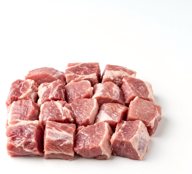
  • Pork

    Use equal weight of pork shoulder or collar; cut into identical cubes and braise, reducing cooking time by 15-20 minutes.

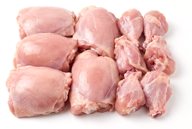
  • Chicken

    Use equal weight of bone-in chicken thighs; curry simmers in roughly 25 minutes instead of over an hour, with a much lighter sauce.

Onion
  • Shallot

    Use equal weight, finely sliced. Shallots soften and brown faster, giving a slightly sweeter and more delicate base to curries.

  • Cabbage

    Use 80% of the weight, finely shredded and browned slowly with a pinch of asafoetida. Replicates the bulk and natural sweetness in gravies without allium.

Poppy seed
  • Cashew nut

    Use equal weight. Soak in warm water for 20 minutes and grind to a smooth paste; produces an even creamier, slightly richer gravy than poppy seeds.

  • White sesame seed

    Use equal weight. Soak and grind finely; provides similar thickening and body with a slightly nuttier, faintly bitter edge.

  • Almond

    Use equal weight. Blanch, peel, and grind finely with a splash of water; lends a velvety body and gentle sweetness to gravies.

Almond
  • Cashew nut

    Use equal weight. Soak in warm water and grind to a paste or fry identically; yields a slightly creamier and sweeter sauce.

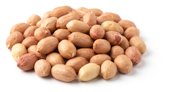
  • Shelled peanut

    Use equal weight. Lightly roast, skin, and grind; introduces a heavier body and a pronounced roasted-nut aroma.

Coriander seeds
  • Ground coriander

    Use 75% of the weight; stir in along with wet masala or tomato purée rather than frying in hot oil, as the fine powder burns instantly.

  • Cumin seed

    Use 50% of the weight for tempering in hot oil. Lacks the floral, sweet citrus flavour of coriander, introducing warm, pungent earthiness instead.

  • Fennel seed

    Use 50% of the weight in tempering; provides pleasant aromatic sweetness, though noticeably aniseedy rather than citrusy.

Clove
  • Ground cloves

    Use 1 g ground for 4 g whole (or 1 small pinch per 2 to 3 whole cloves). Add with spice powders; disperses intense warmth quickly, so use with restraint.

  • Allspice berries

    Use 100% of the weight whole in tempering. Imparts a warm, clove-like aromatic profile combined with hints of nutmeg and cinnamon.

  • Black cardamom pod

    Use 1 pod for 3 to 4 cloves in whole tempering. Shares a camphor-like warmth and medicinal depth, though it introduces a distinct smoky undertone.

Green cardamom seed
  • Green cardamom pod

    Weigh roughly 2.5 times the seed requirement; crack pods open and discard the fibrous green husks.

  • Ground green cardamom

    Use 75% of the weight; stir in off the flame or near the end of cooking to maintain its fragrance.

Cassia bark
  • Ceylon cinnamon

    True cinnamon: thinner, papery quills, milder and sweeter. Use about 1.5 times the weight, and taste.

  • Ground cinnamon (cassia)

    Use about a third of the weight (0.5 g ground for a 2.5 cm piece), stirred in with the ground spices rather than fried whole, since the powder burns quickly.

  • Cassia buds

    Use 60-70% of the weight; stronger and more peppery, so taste before adding more.

Ghee
  • Unsalted butter

    Use 120% of the weight; melt gently over low heat to avoid burning the milk solids, which will yield a softer, creamier richness rather than a nutty aroma.


  • Vegetable oil

    Use 85% of the weight; holds high cooking temperatures without smoking, but the final dish will lack traditional dairy depth.

  • Mustard oil

    Use equal weight; heat to smoking point and cool slightly before cooking, bearing in mind it introduces an assertive, pungent edge.

Plain yogurt
  • Yogurt

    Use equal weight, whisked thoroughly until smooth before adding to hot dishes to prevent curdling.

  • Coconut milk

    Use equal weight with 1 teaspoon lemon juice mixed in. Provides rich creaminess in curries, but adds a noticeable coconut flavour.

  • Single cream

    Use 80% of the weight plus a squeeze of lemon juice for acidity. Enriches sauces nicely, though it is richer and less tangy.

Kewra water or rosewater
  • Rosewater

    Use equal volume; replaces the grassy, pandan-like kewra aroma with a sweet floral note.

  • Green cardamom pod

    Crush seeds from 2 pods per teaspoon of floral water and add to the simmering gravy; provides sweet aromatic lift without floral perfume.

Coriander leaf
  • Coriander

    Use equal weight finely chopped; this is the exact same fresh herb.

  • Mint

    Use half the weight finely chopped; provides vibrant green freshness, though the flavour profile becomes noticeably cooler and sharper.

Similar dishes

Meat Beliram
Punjabi Lamb Curry
Meat Beliram tastes tangier and more mildly piquant, lacking the sweet, nutty richness and perfumed finish of this dish.
  • Same: Meat Beliram shares a base of lamb braised in ghee with yogurt, flavored by whole coriander seeds, cinnamon, cloves, cardamom, ginger, and garlic.
  • Different: It relies on a much higher proportion of yogurt and sliced onions seasoned with Kashmiri chilli powder, omitting this dish's ground almonds, poppy seeds, and floral kewra water.
Khare Masale ka Gosht
Lamb Cooked with Aromatic Whole Spices
Khare Masale ka Gosht has a lighter sauce with sharper, pungent warmth from chillies and whole spices, whereas this dish is richer, nuttier, and subtly floral.
  • Same: Both dishes braise lamb in ghee with plain yogurt, garlic, ginger, cinnamon, cloves, and coriander.
  • Different: Khare Masale ka Gosht relies on whole spices like black cardamom, bay leaf, black peppercorns, and dried red chillies, while omitting this dish's ground almonds, poppy seeds, and floral kewra water.
Khare Masale ka Gosht
Lamb Cooked with Whole Spices
Khare Masale ka Gosht tastes more tomato-tangy and whole-spice savoury, while this dish tastes nuttier and richer from almonds and poppy seeds.
  • Same: Khare Masale ka Gosht shares lamb, ghee, onion, garlic, ginger, yogurt, and braising with this dish.
  • Different: Khare Masale ka Gosht adds tomato, bay leaf, black cardamom, and black peppercorn but lacks this dish's ground almonds, poppy seeds, and kewra or rosewater.
Kofta Curry
Meatball Curry
Kofta Curry is nuttier with dried coconut and has mild chili heat, lacking the floral, cardamom-forward aroma of this dish.
  • Same: Kofta Curry also uses lamb simmered in a yogurt-based gravy with onions, poppy seeds, cinnamon, and cloves.
  • Different: Kofta Curry shapes the lamb into pan-fried meatballs and thickens its sauce with dried coconut, saffron, and chilli powder instead of the braised meat pieces, almonds, coriander seeds, cardamom, and floral water used in this dish.