Indian cooking
Indian cooking / Dishes / Qorma Dilpasand
Qorma Dilpasand (Lamb Korma (II))

Qorma Dilpasand

Lamb Korma (II)
Non-vegetarian●●●Origin DelhiPrep 1¼ hoursCook 1 hour

A rich North Indian lamb curry gently poached in aromatics, then stewed in a luscious gravy of browned onions, yogurt, and warm spices.

Whole poaching spices

9 gSimmered with the lamb in water (step 1)
01
3.9–5 g3–4 pieces
spice
02
1 g2 pieces
spice
03
1.4 g8 pieces
spice
04
0.7–0.8 g10–12 cloves
spice
05
1.4 g½ teaspoon
spice
06
~0.3 gpinch
spice
Keep whole; they will infuse the meat and broth before being discarded.

Spices for the wet paste

12 gGround with the onion, ginger, and garlic (step 2)
Leave whole; they will be blended into a paste.

Finishing spice

2.6 gStirred in with the crushed fried onions (step 5)
01
2.6 g1 teaspoon
spice blend
Keep as a ground blend to finish the braise.

Everything else

01
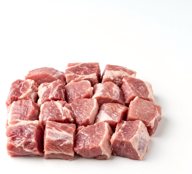
Lamb · Goshtcut into pieces
1000 g
meat
02
250 g
vegetable
03
24 g1 piece
aromatic
04
30 g10 cloves
aromatic
05
250 g
oil/fat
06
517 g500 ml
dairy
07
to taste
salt

Method

  1. Place 1000 g lamb into a wide, heavy saucepan along with the whole poaching spices. Pour over sufficient water to cover, bring to a boil, then turn the heat down and simmer gently for 30 minutes.
  2. Roughly chop about one-third of the 250 g onion and transfer to a blender with 24 g ginger, 30 g garlic, and the spices for the wet paste. Blitz thoroughly to make a fine paste. Thinly slice the remaining two-thirds of the onion.
  3. Melt 250 g ghee in another heavy pot over medium heat. Add the sliced onions and fry for 5 to 7 minutes until richly browned, then lift them out with a slotted spoon and set aside. Tip the pureed masala paste into the hot ghee and cook, stirring, for 2 minutes.
  4. Strain the par-cooked lamb, keeping all the broth and discarding the whole spices. Transfer the meat into the pot with the fried masala, then stir in the reserved poaching liquid, 517 g yogurt, and salt to taste.
  5. Crush the fried onions with your fingers and stir them into the sauce along with the finishing spice. Cover the pot and braise over low heat for roughly 30 minutes, stirring now and then, until the lamb is thoroughly tender.

Don't have something?

Lamb
  • Pork

    Use equal weight of pork shoulder or collar; cut into identical cubes and braise, reducing cooking time by 15-20 minutes.

  • Chicken

    Use equal weight of bone-in chicken thighs; curry simmers in roughly 25 minutes instead of over an hour, with a much lighter sauce.

Cassia bark
  • Ceylon cinnamon

    True cinnamon: thinner, papery quills, milder and sweeter. Use about 1.5 times the weight, and taste.

  • Ground cinnamon (cassia)

    Use about a third of the weight (0.5 g ground for a 2.5 cm piece), stirred in with the ground spices rather than fried whole, since the powder burns quickly.

  • Cassia buds

    Use 60-70% of the weight; stronger and more peppery, so taste before adding more.

Bay leaf
  • Cinnamon stick

    Use a 2 cm piece (about 1 g) for every 1 to 2 bay leaves. Fry in whole-spice temperings; provides the cassia-like warmth typical of Indian tejpatta.

  • Ground cinnamon (cassia)

    Use 0.5 g per leaf. Stir into the sauce during simmering; gives the same warm woodiness but darkens the colour slightly.

Green cardamom pod
  • Green cardamom seed

    Use 35 to 40% of the total pod weight; lightly bruise the seeds before frying in oil to release their essential oils.

  • Ground green cardamom

    Use 20 to 25% of the pod weight (about 1 generous pinch per pod); stir in toward the end of cooking so the delicate floral notes do not dissipate.

  • White cardamom pod

    Use 1:1 by pod count or weight; crack gently before using, though it is slightly less intensely floral.

Clove
  • Ground cloves

    Use 1 g ground for 4 g whole (or 1 small pinch per 2 to 3 whole cloves). Add with spice powders; disperses intense warmth quickly, so use with restraint.

  • Allspice berries

    Use 100% of the weight whole in tempering. Imparts a warm, clove-like aromatic profile combined with hints of nutmeg and cinnamon.

  • Black cardamom pod

    Use 1 pod for 3 to 4 cloves in whole tempering. Shares a camphor-like warmth and medicinal depth, though it introduces a distinct smoky undertone.

Black peppercorn
  • Coarsely ground black pepper

    Use 75% of the weight. Add midway through simmering; spreads heat evenly through the dish instead of delivering isolated bursts.

  • Ground black pepper

    Use 50% of the weight. Stir in near the end of cooking; significantly darkens light gravies and provides an immediate, sharp bite.

Mace blade
  • Ground mace

    Use 0.5 g ground mace for 1 g mace blade; add towards the end of frying spices as ground powder burns much quicker than whole blades.

  • Nutmeg

    Grate finely, using 50% of the weight; sweeter, deeper, and slightly heavier in aroma than delicate mace.

  • Ground nutmeg

    Use 40% of the weight; stir in gently with ground spices, avoiding high direct heat to prevent bitterness.

Onion
  • Shallot

    Use equal weight, finely sliced. Shallots soften and brown faster, giving a slightly sweeter and more delicate base to curries.

  • Cabbage

    Use 80% of the weight, finely shredded and browned slowly with a pinch of asafoetida. Replicates the bulk and natural sweetness in gravies without allium.

Ginger
  • Fresh ginger

    Use equal weight; scrape off the skin and grate or finely julienne according to the recipe.

  • Ginger paste

    Use equal weight; stir straight into the sizzling aromatics, taking care as the extra moisture may spit.

  • Ground ginger

    Use 15 to 20% of the weight; add alongside ground spices, noting it imparts warm, dry heat rather than zesty freshness.

Garlic
  • Garlic paste

    Use equal weight. Fry gently in oil or ghee with the ginger; incorporates smoothly into curries without visible minced bits.

  • Garlic powder

    Use 15% to 20% of the weight (about 1 g for every 5 to 6 g fresh cloves). Whisk into sauces; gives a savoury, toasted garlic flavour without raw pungency.

  • Shallot

    Use 1.5 times the weight, very finely minced. Sauté until golden; provides savoury allium sweetness, though it lacks garlic's pungent sulphur bite.

Coriander seeds
  • Ground coriander

    Use 75% of the weight; stir in along with wet masala or tomato purée rather than frying in hot oil, as the fine powder burns instantly.

  • Cumin seed

    Use 50% of the weight for tempering in hot oil. Lacks the floral, sweet citrus flavour of coriander, introducing warm, pungent earthiness instead.

  • Fennel seed

    Use 50% of the weight in tempering; provides pleasant aromatic sweetness, though noticeably aniseedy rather than citrusy.

Dried red chilli
  • Dried kashmiri chilli

    Use equal weight whole. Fry in hot oil or ghee as tempered spice; gives a richer red colour with slightly milder heat.

  • Red chilli powder

    Use 50% to 70% of the weight. Stir into the oil with ground spices; distributes heat evenly throughout the dish without whole chilli skins.

Ghee
  • Unsalted butter

    Use 120% of the weight; melt gently over low heat to avoid burning the milk solids, which will yield a softer, creamier richness rather than a nutty aroma.

  • Vegetable oil

    Use 85% of the weight; holds high cooking temperatures without smoking, but the final dish will lack traditional dairy depth.

  • Mustard oil

    Use equal weight; heat to smoking point and cool slightly before cooking, bearing in mind it introduces an assertive, pungent edge.

Yogurt
  • Plain yogurt

    Use 100% of the weight. Whisk thoroughly until smooth before stirring into warm gravies to prevent curdling.

  • Single cream

    Use 90% of the weight combined with 10% lemon juice to replicate the lactic tang and rich body in marinades and curries.

Garam masala
  • Ground cumin

    Use 50% of the weight mixed with equal parts ground coriander and a pinch of ground cinnamon, ground cloves, and ground green cardamom. Sprinkle near the end for a warming finish.


  • Lentil stew spice mix

    Use 75% of the weight. Simmer briefly in the gravy; imparts roasted warmth and complexity, though it adds a slight tang and earthy lentil undertone.

Similar dishes

Khare Masale ka Gosht
Lamb Cooked with Whole Spices
Khare Masale ka Gosht has a tangier and smokier flavour from the added tomatoes and black cardamom, but lacks the chili heat and sweet floral warmth of this dish.
  • Same: Khare Masale ka Gosht shares the same base of lamb braised in ghee and yogurt with onions, ginger, garlic, and whole spices including cinnamon, green cardamom, cloves, coriander, and peppercorns.
  • Different: Khare Masale ka Gosht incorporates fresh tomatoes and black cardamom pods, but omits this dish's mace, dried red chillies, and garam masala.
Khare Masale ka Gosht
Lamb Cooked with Aromatic Whole Spices
Khare Masale ka Gosht has a lighter, more rustic flavor with pronounced whole-spice heat and smokiness instead of the thick, sweet onion richness of this dish.
  • Same: Khare Masale ka Gosht also simmers lamb in ghee and yogurt with ginger, garlic, cinnamon, cloves, and bay leaves.
  • Different: It uses a fraction of the onions, adds smoky black cardamom, turmeric, and fresh coriander, and omits the mace and garam masala used in this dish.
Meat Beliram
Punjabi Lamb Curry
Meat Beliram has a sweeter and tangier gravy from the heavy volume of onions and yogurt, whereas this dish has a more pungent, warming spice profile driven by mace, peppercorns, and dried chillies.
  • Same: Both braise one kilogram of lamb in ghee using a thick yogurt base seasoned with coriander seeds, green cardamom, cinnamon, and cloves.
  • Different: Meat Beliram uses three times as many onions, more yogurt, and Kashmiri chilli powder, but omits the bay leaf, black peppercorns, mace, and garam masala used in this dish.
Aab Gosht
Lamb in Milk Sauce (I)
Aab Gosht tastes milder, sweeter, and creamier with prominent fennel aromatics, lacking the tangy yogurt acidity and sharp chili heat of this dish.
  • Same: Aab Gosht shares the same base of one kilogram of lamb braised in 250 grams of ghee with ginger, garlic, cinnamon, green cardamom, cloves, and black pepper.
  • Different: Instead of yogurt and fried onions, Aab Gosht uses over a liter of milk with boiled onion paste and fennel seeds, omitting the dried red chillies, coriander, and mace used in this dish.