Indian cooking
Indian cooking / Dishes / Khatta Murgh
Khatta Murgh (Chicken with Mango and Chilli)

Khatta Murgh

Chicken with Mango and Chilli
Non-vegetarian

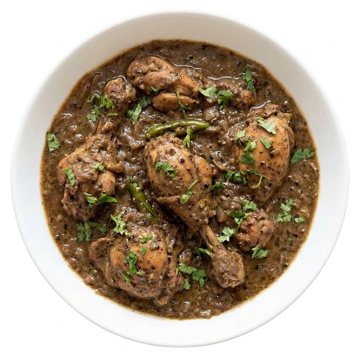
Khatta Murgh is a sour, chilli-hot chicken curry in which unripe mango gives the sauce its tang. Ginger, garlic and warm spices round out the flavour, with garam masala added at the end.

Marinade turmeric

1.5 gMixed into the chicken with half the ginger-garlic paste (step 2)
01
1.5 g½ teaspoon
spice
Keep as is: it goes into the chicken marinade.

Ground spices for the sauce

3 gStirred into the pan after the onions and remaining ginger-garlic paste (step 6)
Stir together; they go into the pan together.

Finishing garam masala

0.7 gAdded with water near the end of cooking (step 11)
01
0.7 g¼ teaspoon
spice blend
Keep as is: add at the end with water.

Everything else

01
Fresh ginger · Adrakroughly chopped
20 g5 cm
aromatic
02
Garlic · Lehsunroughly chopped
21 g7 cloves
aromatic
03
Chicken on the bone · Murghskinned and jointed (ask your butcher to do this)
850 g
poultry
04
40 g3 tablespoons
oil/fat
05
3 g2 chillies
vegetable
06
Onion · Pyazthinly sliced
150 g1 onion
vegetable
07
8 g2 teaspoons
sweetener
08
Unripe mango · Kachcha Aampeeled and thinly sliced
300 g
fruit
09
to taste
salt
10
to taste
herb

Method

  1. Blend 20 g fresh ginger and 21 g garlic to a smooth paste.
  2. Put 850 g chicken on the bone, skinned and jointed, in a bowl. Add half the ginger-garlic paste and the marinade turmeric, mix well and set aside.
  3. Heat 40.5 g vegetable oil in a heavy-based saucepan over medium heat. Add 4 g green bird’s eye chilli, slit lengthways, and let sizzle for a few seconds.
  4. Add 150 g onion, thinly sliced, and fry for 9–10 minutes until softened and starting to colour.
  5. Add the remaining ginger-garlic paste and fry for 1 minute, stirring so it does not stick.
  6. Stir in the ground spices for the sauce and cook for 20 seconds.
  7. Add the chicken, raise the heat slightly and fry for 3–4 minutes to seal.
  8. Add salt to taste and 8.4 g granulated sugar.
  9. Lower the heat, cover and cook for 15 minutes, stirring halfway, until the chicken is cooked in its juices.
  10. Add most of 300 g unripe mango, peeled and thinly sliced, mix well and cook for 7 minutes, stirring halfway.
  11. Add the finishing garam masala and 2–3 tbsp water to make a light sauce.
  12. Scatter over the remaining sliced mango and coriander leaves to taste, chopped. Turn off the heat.

Don't have something?

Fresh ginger
  • Ginger paste

    Use equal weight. Sauté in hot fat until the raw allium smell disappears; slightly wetter, but provides identical warmth and pungency.

  • Ground ginger

    Use 20% to 25% of the weight (1 g for every 4 to 5 g fresh). Stir into the gravy; adds peppery heat and warmth, though it misses the crisp, zesty kick of raw root.

Garlic
  • Garlic paste

    Use equal weight. Fry gently in oil or ghee with the ginger; incorporates smoothly into curries without visible minced bits.

  • Garlic powder

    Use 15% to 20% of the weight (about 1 g for every 5 to 6 g fresh cloves). Whisk into sauces; gives a savoury, toasted garlic flavour without raw pungency.

  • Shallot

    Use 1.5 times the weight, very finely minced. Sauté until golden; provides savoury allium sweetness, though it lacks garlic's pungent sulphur bite.

Chicken on the bone
  • Bone-in chicken

    Use the same weight. It is the same thing; adjust pieces so they cook evenly and simmer until the meat is tender at the bone.

  • Skinless chicken on the bone

    Use the same weight. It is leaner and less rich; brown it a little more carefully and add 5 minutes to the simmer if the pieces are large.

  • Bone-in chicken thigh and drumstick

    Use the same weight. Thigh and drumstick are juicier and cook slightly faster than breast on the bone; check after 20–25 minutes.

Ground turmeric
  • Ground ginger

    Use 50% of the weight. Mimics turmeric's warm, earthy, rhizome background, but provides none of the golden-yellow colour.

  • Saffron

    Steep a tiny pinch (0.1 g per 2 g turmeric) in 2 tbsp warm water; use to match the rich golden hue. Contributes an aristocratic, honeyed floral flavour rather than earthy bitterness.

Vegetable oil
  • Peanut oil

    Use 1:1 by weight. Handles high-heat frying identically and introduces a very subtle, pleasant nuttiness.

  • Ghee

    Use 1:1 by weight. Yields a much richer, authentic aroma and a glossy, heavier mouthfeel.

  • Mustard oil

    Use 1:1 by weight. Heat until smoking, then cool slightly before cooking to temper its intensely pungent, sharp mustard kick.

Green bird's eye chilli
  • Bird's eye green chilli

    Use the same weight; heat and flavour are very close.

  • Green chilli

    Use 1.5 to 2 times the weight; deseed for less heat. Larger chillies are more watery.

  • Fresh green chilli

    Use 1.5 to 2 times the weight; chop finely and adjust heat by tasting.

Onion
  • Shallot

    Use equal weight, finely sliced. Shallots soften and brown faster, giving a slightly sweeter and more delicate base to curries.

  • Cabbage

    Use 80% of the weight, finely shredded and browned slowly with a pinch of asafoetida. Replicates the bulk and natural sweetness in gravies without allium.

Kashmiri chilli powder or mild paprika
  • Kashmiri chilli powder

    Use the same weight; this is the first half of the book's option and gives the best red colour with mild heat.

  • Mild paprika

    Use the same weight; add a pinch of cayenne pepper for warmth. Slightly less colour.

  • Paprika

    Use the same weight and add cayenne pepper to taste; works but is less aromatic.

Ground coriander
  • Coriander seeds

    Dry-roast lightly in a pan and grind to a fine powder; use equal weight (1:1). Offers a noticeably fresher, brighter citrus note.

  • Ground cumin

    Use 50% to 75% of the weight. Lacks the floral, citrusy profile of coriander and turns the gravy heavier, earthier, and darker.

  • Garam masala

    Use 50% of the weight and stir in near the end of cooking. Adds warmth and depth since it contains ground coriander, but introduces stronger spices like clove and cinnamon.

Granulated sugar
  • Jaggery

    Use equal weight; grate or shave finely so it dissolves rapidly, giving a warm, caramel-like sweetness and slightly darker sauce.

Unripe mango
  • Raw green mango

    Use the same weight; peel and grate or slice. It gives the same sourness and texture.

  • Green mango

    Use the same weight; peel and prepare as the recipe says. Check sourness before adding extra lime.

  • Dried mango powder

    For sourness only, use about 1–2 tsp (3–6 g) for 100 g mango and add with the spices. It gives no texture.

Garam masala
  • Ground cumin

    Use 50% of the weight mixed with equal parts ground coriander and a pinch of ground cinnamon, ground cloves, and ground green cardamom. Sprinkle near the end for a warming finish.


  • Lentil stew spice mix

    Use 75% of the weight. Simmer briefly in the gravy; imparts roasted warmth and complexity, though it adds a slight tang and earthy lentil undertone.

Coriander leaves
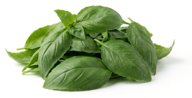
  • Coriander (cilantro) or basil

    Use the same weight, choosing the coriander element if available. If only basil is available, expect a sweeter, more aniseed flavour.

  • Basil leaves

    Use the same weight. Basil is sweeter and more aromatic in a different way; add near the end so it keeps its perfume.

  • Coriander paste

    Use 1.5 times the weight and reduce other liquid slightly; it is less fresh and more concentrated, so taste before adding more.

Similar dishes

Kadhai Chicken Chargha
Kadhai Chicken Chargha tastes smoky, tangy and gently hot, whereas this dish is sour from unripe mango and chilli-hot.
  • Same: Kadhai Chicken Chargha shares bone-in chicken, ginger, garlic, Kashmiri chilli powder, ground coriander, turmeric, garam masala, vegetable oil, salt and coriander leaves with this dish.
  • Different: Kadhai Chicken Chargha uses a garlic-yoghurt marinade and cumin seed plus dried red chillies, while this dish uses onion, unripe mango, sugar and green bird’s eye chilli and has no yoghurt or cumin.
Murgh Kali Mirch
Black Pepper Chicken
Murgh Kali Mirch tastes sharply peppery and warming with a thick onion gravy, not sour from mango or chilli-hot like this dish.
  • Same: Murgh Kali Mirch shares chicken on the bone, vegetable oil, onion, ginger, garlic, green bird’s eye chilli, ground coriander, salt and coriander leaves with this dish.
  • Different: Murgh Kali Mirch lacks this dish’s unripe mango, turmeric, Kashmiri chilli powder, sugar and garam masala, and instead uses black peppercorn, white peppercorn and lemon juice, with more onion and garlic and less ginger.
Bengali Kancha Lonka Murgi
Green Chilli Chicken Curry with Turmeric & Garam Masala
It tastes hot, herbal and aromatic with a fresh lemon finish, whereas this dish is sour from unripe mango and chilli-hot with warm spices.
  • Same: Bengali Kancha Lonka Murgi shares chicken on the bone, vegetable oil, onion, ginger, garlic, green bird’s eye chilli, turmeric, ground coriander and garam masala with this dish.
  • Different: It uses a yoghurt marinade and a green chilli-coriander paste, plus bay leaf, cinnamon, tomato purée and lemon, while this dish uses unripe mango and sugar and lacks those ingredients.
Kairi Murg
Mango Chicken
Kairi Murg tastes tart and fragrant from raw mango and green chilli, with less sweetness and warm spice than this dish because it has no sugar or garam masala.
  • Same: Kairi Murg shares chicken, raw mango as the souring agent, green chilli, onion, ginger, garlic, turmeric, chilli powder, ground coriander, salt and vegetable oil with this dish.
  • Different: Kairi Murg has more vegetable oil, chicken, onion and raw mango, uses ginger and garlic pastes instead of larger fresh amounts, browns its onions gently, and lacks this dish's sugar, garam masala and fresh coriander leaves.