
Khatta Meetha Kaddu
A North Indian sweet-and-sour pumpkin mash balanced with bright lemon juice, unrefined sugar, and a pungent five-spice tempering.
Whole spices for the base
11 gBloomed in the hot mustard oil (step 2)Dried chillies for tempering
4 gFried for the garnish (step 4)Everything else

Method
- Drop 1000 g pumpkin into a large saucepan of boiling water and boil for 20–25 minutes until tender throughout.
- Drain the cooked pumpkin completely, return it to the pan, and crush finely with a potato masher.
- Warm 27 g mustard oil in a wide, heavy pan set over medium heat, then tip in the whole spices for the base and sizzle for 1 to 1½ minutes until fragrant and crackling.
- Fold the mashed pumpkin into the spiced oil, then mix in 15.3 g lemon juice, 4 tablespoon jaggery or soft brown sugar, and 0.5 tablespoon salt, cooking everything together for 2–3 minutes.
- Melt a spoonful of ghee in a small pan over medium heat, drop in the dried chillies for tempering, and fry for about 1 minute until they deepen in colour.
- Spoon the hot chillies and oil over the pumpkin, then scatter with coriander leaf and green chillies to taste before serving.
Don't have something?
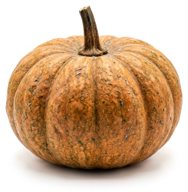
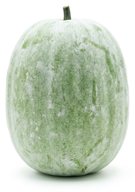 Ash gourd
Use the same weight; peel and cube. Firmer and less sweet, so cook 5–10 minutes longer and taste for sugar.
 Sweet potato
Use the same weight; peel and cube. Sweeter and starchier; reduce added sugar and cook until just tender.
 Courgette
Use the same weight; cut larger chunks. Watery and soft, so cook 5 minutes less and reduce liquid.


 Peanut oil
Use equal weight. It handles high-heat cooking well, but lacks the signature pungent, nasal heat of mustard oil.
 Vegetable oil
Use equal weight. Neutral in flavour, so your curry will lack the characteristic Bengali or North Indian pungent punch.


 Garlic powder
Use double the weight. Stir into hot oil just before adding wet ingredients; mimics the allium savoury background without the sulphurous edge.
 Garlic paste
Use 2 g for every 0.5 g of asafoetida. Sauté in oil until the raw smell clears; adds moisture and sweet allium depth.


 Black cumin seeds
Use equal weight. Imparts an earthy, slightly bitter note in temperings, though it lacks nigella's oniony sharpness.
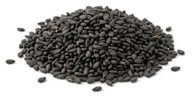 Black sesame seeds
Use equal weight. Gives a similar speckled appearance and light crunch on breads, but provides a nutty rather than herbaceous, onion-like flavour.


 Ground cumin
Use 70% of the weight; add with ground spices or sauce bases rather than hot oil tempering, where it scorches quickly and turns bitter.
- Black cumin seeds
Use equal weight for oil tempering. Delivers an earthy profile with an additional musky, smoky, and slightly bitter edge.
 Fennel seed
Use 60% of the weight for tempering; offers comparable warm aroma, but leans sweet and liquorice-like rather than savoury and earthy.


 Black mustard seed
Use the same weight. The seeds are smaller and hotter; fry in hot oil until they pop, about 20–30 seconds, and reduce the heat if they darken too fast. The dish will be a little sharper.
 Yellow mustard seeds
Use the same weight. They are milder and larger; fry a few seconds longer until they pop. The finished dish will have less pungency.
 Ground mustard seed
Use 70% of the weight of whole seed, added with the other ground spices rather than fried whole. You lose the popping texture and the heat comes through more evenly.


 Aniseed
Use 75% of the weight. Fry in hot oil or ghee; has a sharper, more pronounced liquorice flavour, so use a lighter hand.
 Ground fennel seed
Use 60% of the weight. Stir into the sauce with ground masalas; provides identical sweet aniseed flavour without whole seed crunch.
 Star anise
Use one point (single carpel) per 1 g of fennel seeds. Simmer in gravies and remove before serving; gives a deeper, woodier liquorice aroma.


- Mustard seed
Use 50% of the weight, crush or grind. Sharper heat and less maple-bitter; fry briefly in oil before adding.
 Caraway seeds
Use the same weight, crush lightly. Similar bitter-seed note but more aniseed; reduce other sweet spices slightly.
 Ajwain seeds
Use 25–30% of the weight, crush. Much stronger thyme-like flavour; do not overdo.


 Lime juice
Use equal volume or weight; delivers almost identical sharp acidity with a faintly more aromatic, bitter-edged profile.
 Dried mango powder
Use 25% of the weight (about 1 g amchoor for 4 g juice); provides clean fruity tartness without thinning the sauce.
 White vinegar
Use 75% of the volume; gives direct sourness without any citrus floral fragrance.


 Granulated sugar
Use 80% of the weight. Granulated sugar is sweeter by weight, but gives a cleaner, one-dimensional sweetness that lacks jaggery's caramel, molasses depth.
 Raisin
Soak and blend into a paste; use 100% to 120% of the weight. Adds rich, natural, fruity sweetness with complex, dark molasses notes that thicken the gravy.


- Mustard oil
Use the same weight. Heat it until it just smokes, then cool slightly before cooking to mellow its pungency.
 Ghee
Use the same weight. Milder and richer; you lose mustard oil's sharp, pungent note.
- Vegetable oil
Use the same weight. Neutral; add a pinch of mustard powder if you want a hint of the original flavour.


 Dried kashmiri chilli
Use equal weight whole. Fry in hot oil or ghee as tempered spice; gives a richer red colour with slightly milder heat.
 Red chilli powder
Use 50% to 70% of the weight. Stir into the oil with ground spices; distributes heat evenly throughout the dish without whole chilli skins.


 Chilli powder
Use 10 to 15% of the weight (about 1/4 teaspoon per chilli); imparts dry pungent heat and reddens the dish without the grassy crunch.
- Dried red chilli
Use 1 dried pod per fresh green chilli; snap in half and temper in hot oil for a deeper, toastier heat.


Similar dishes

- Same: Kumhare ki Subzi is also a mashed pumpkin dish flavored with cumin seeds, fenugreek seeds, sugar, and fresh coriander.
- Different: Kumhare ki Subzi cooks in vegetable oil or ghee instead of mustard oil, uses amchoor rather than lemon juice, and adds ground turmeric, coriander, and green chillies while omitting nigella, mustard, and fennel seeds.

- Same: Sitaphal ki Subzi also features pumpkin seasoned with mustard seeds and dried red chillies with a sweet and savoury flavour profile.
- Different: Instead of mustard oil, lemon juice, asafoetida, and a five-spice mix of fennel, fenugreek, cumin, and nigella, it uses neutral vegetable oil, urad dal, ground turmeric, and grated fresh coconut.

- Same: Chintapandu Koythamira Chutney shares with this dish asafoetida, cumin seed, mustard seed, dried red chilli, jaggery, and coriander leaf.
- Different: Chintapandu Koythamira Chutney uses tamarind extract, vegetable oil, green chilli, turmeric, curry leaf, and coriander seeds, while this dish uses pumpkin, mustard oil or ghee, lemon juice, nigella, fennel, and fenugreek and is a cooked mash rather than a ground chutney.

- Same: Pumpkin Chutney shares pumpkin, mustard seed, cumin seed, dried red chilli and a tempering step with this dish.
- Different: Pumpkin Chutney is a smooth roasted chutney with turmeric, kashmiri chilli powder, ground cumin, curry leaf, vegetable oil and sea salt, while this dish is a pumpkin mash with lemon juice, jaggery, asafoetida, nigella, fennel, fenugreek and ghee or mustard oil.