Indian cooking
Indian cooking / Dishes / Sitaphal ki Subzi
Sitaphal ki Subzi (Pumpkin Curry)

Sitaphal ki Subzi

Pumpkin Curry
Vegetarian●●●Origin AwadhPrep 20 minutesCook 10–15 minutes

A comforting, sweet and savoury pumpkin dish gently spiced with chillies and mustard seeds, enriched with melting jaggery and fresh coconut.

Turmeric for boiling

0.3 gAdded to the boiling water with the pumpkin (step 1)
01
~0.3 gpinch
spice
Keep ready to sprinkle into the boiling water.

Tempering spices

5 gFried in the hot oil (step 2)
01
3.3 g1 teaspoon
spice
Leave whole to bloom in the hot oil.

Everything else

01
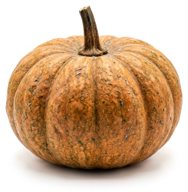
Pumpkin · Kaddupeeled and cut into 5-cm / 2-inch pieces
500 g
vegetable
02
18 g4 teaspoons
oil/fat
03
Black gram · Urad Dalrinsed and drained
4.3 g1 teaspoon
legume
05
24 g4 tablespoons
fruit
06
40 g4 tablespoons
flour
07
to taste
salt

Method

  1. Bring a large saucepan of water to a boil and season with salt to taste. Add 500 g pumpkin and the turmeric for boiling, simmering and stirring occasionally for 10–15 minutes until the pieces soften without turning mushy. Drain and set aside.
  2. Heat 18 g vegetable oil in a large skillet over medium heat. Add the tempering spices and 4.3 g urad dal, stirring for about 1 minute until the mustard seeds begin popping.
  3. Tumble in the cooked pumpkin along with 100 g jaggery. Once the jaggery starts to melt into the vegetables, scatter over 24 g fresh coconut and 4 tablespoon rice flour.
  4. Gently turn the mixture over medium heat for another 5 minutes so the squash turns tender and evenly coated, then take the pan off the heat to serve.

Don't have something?

Pumpkin
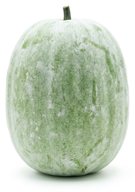
  • Ash gourd

    Use the same weight; peel and cube. Firmer and less sweet, so cook 5–10 minutes longer and taste for sugar.

  • Sweet potato

    Use the same weight; peel and cube. Sweeter and starchier; reduce added sugar and cook until just tender.

  • Courgette

    Use the same weight; cut larger chunks. Watery and soft, so cook 5 minutes less and reduce liquid.

Ground turmeric
  • Ground ginger

    Use 50% of the weight. Mimics turmeric's warm, earthy, rhizome background, but provides none of the golden-yellow colour.

  • Saffron

    Steep a tiny pinch (0.1 g per 2 g turmeric) in 2 tbsp warm water; use to match the rich golden hue. Contributes an aristocratic, honeyed floral flavour rather than earthy bitterness.

Vegetable oil
  • Peanut oil

    Use 1:1 by weight. Handles high-heat frying identically and introduces a very subtle, pleasant nuttiness.

  • Ghee

    Use 1:1 by weight. Yields a much richer, authentic aroma and a glossy, heavier mouthfeel.

  • Mustard oil

    Use 1:1 by weight. Heat until smoking, then cool slightly before cooking to temper its intensely pungent, sharp mustard kick.

Mustard seed
  • Black mustard seed

    Use the same weight. The seeds are smaller and hotter; fry in hot oil until they pop, about 20–30 seconds, and reduce the heat if they darken too fast. The dish will be a little sharper.

  • Yellow mustard seeds

    Use the same weight. They are milder and larger; fry a few seconds longer until they pop. The finished dish will have less pungency.

  • Ground mustard seed

    Use 70% of the weight of whole seed, added with the other ground spices rather than fried whole. You lose the popping texture and the heat comes through more evenly.

Urad dal
  • Whole black gram

    Use equal weight. Needs longer soaking and cooking; the dark skins impart an earthy flavour and greyish-black hue unless thoroughly rubbed off.

  • Chana dal

    Use equal weight when tempering (tadka). Provides a comparable nutty, crunchy texture in hot oil, though grains are slightly larger.

  • Split mung beans

    Use equal weight for batters or dals. Ferments and cooks faster, producing a lighter, less sticky, and less viscous consistency.

Dried red chilli
  • Dried kashmiri chilli

    Use equal weight whole. Fry in hot oil or ghee as tempered spice; gives a richer red colour with slightly milder heat.

  • Red chilli powder

    Use 50% to 70% of the weight. Stir into the oil with ground spices; distributes heat evenly throughout the dish without whole chilli skins.

Crumbled jaggery or soft brown sugar
  • Jaggery

    Use the same weight, grated or crumbled. Same deep, molasses-like sweetness.

  • Brown sugar

    Use the same weight. Soft brown sugar is closest; slightly milder.

  • Demerara sugar

    Use the same weight. Drier and less molasses; dissolve in a little hot water first.

Fresh coconut
  • Desiccated coconut

    Use 50% to 60% of the weight, soaked in equal parts warm water for 15 minutes before grinding. Works well for chutneys, though texture is slightly finer and sweeter.

  • Coconut milk

    Use 1.2 times the weight in curries. Adds creamy richness and authentic flavour, but makes gravies smoother and eliminates the grated, chewy mouthfeel.


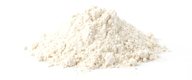
Rice flour
  • Cornflour

    Use about 60–70% of the weight for thickening; for coatings use the same weight but the crust is denser.

  • Plain flour

    Use the same weight for coatings; contains gluten, browns faster and is less crisp.

  • Fine semolina

    Use the same weight for crisp coatings; coarser texture and needs a short rest.

Similar dishes

Pumpkin Pickle
Pumpkin Pickle tastes sweet-sour and chilli-hot from vinegar and Kashmiri chilli, while this dish is milder, sweet-savoury and coconut-rich.
  • Same: Pumpkin Pickle shares pumpkin, vegetable oil, ground turmeric, jaggery or sugar and dried chilli with this dish.
  • Different: Pumpkin Pickle has white distilled vinegar, onion seeds and Kashmiri chilli powder and is a jarred pickle with 91.3 g oil for 1500 g pumpkin, while this dish lacks vinegar and uses mustard seeds, urad dal, fresh coconut and rice flour in a curry.
Khatta Meetha Kaddu
Sweet & Sour Pumpkin
Khatta Meetha Kaddu tastes significantly more tart, pungent, and aromatic from the lemon juice and whole spices, whereas this dish is milder and richer from the coconut.
  • Same: Both dishes feature pumpkin cooked with mustard seeds, dried red chillies, and sugar.
  • Different: Khatta Meetha Kaddu is mashed and cooked in mustard oil with lemon juice, coriander, asafoetida, cumin, fennel, fenugreek, and nigella seeds, omitting this dish's vegetable oil, coconut, turmeric, and urad dal.
Pumpkin Chutney
Pumpkin Chutney tastes sweet, earthy and lightly spicy, while this dish tastes sweet and savoury with melting jaggery and coconut.
  • Same: Pumpkin Chutney shares pumpkin, vegetable oil, turmeric, dried chilli and a mustard-seed tempering with this dish.
  • Different: Pumpkin Chutney adds ground cumin, cumin seed, curry leaf and Kashmiri chilli powder and is roasted smooth, while this dish uses urad dal, jaggery, fresh coconut and rice flour and is a sweet-savoury curry.
Kumhare ki Subzi
Dry Spicy Pumpkin
Kumhare ki Subzi tastes more tart and savoury from the amchoor and fenugreek, lacking the rich, nutty flavour of fresh coconut.
  • Same: Kumhare ki Subzi also cooks pumpkin with chillies, turmeric, and added sweetness.
  • Different: It is a dry, mashed preparation spiced with fenugreek seeds, cumin, ground coriander, and tangy amchoor, omitting this dish's mustard seeds, urad dal, and fresh coconut.