
Egg Bhurji with Berkswell & Shallots
A soft, buttery egg scramble served on toast with crisp lardo, grated Berkswell and tangy pickled shallots. It tastes rich and savoury, with warm cumin and turmeric, fresh coriander and a little chilli heat.
Spices for the butter
9 gAdded to the melted butter before the eggs (step 5)Everything else

Method
- Steep 500 g banana shallot rings in 199 g pickling liquor for 1–2 hours at room temperature. Refrigerate until needed.
- Whisk 600 g egg with 150 g red onion, 18 g green chilli and 100 g coriander leaves in a bowl.
- Reserve a little of 200 g unsalted butter for the toast. Melt the rest in a frying pan over medium heat.
- Add the spices for the butter and 30 g curry leaf to the pan. Stir for about 30 seconds until fragrant.
- Pour in the egg mixture. Lower the heat and stir constantly with a spatula for 3–4 minutes, until just set but still soft.
- Season with sea salt to taste and remove from the heat.
- Toast 200 g sourdough bread slices and spread with the reserved butter.
- Spoon the eggs onto the toast. Top with 120 g lardo slices, 400 g berkswell cheese, finely grated, and some pickled shallots.
- Garnish with micro coriander.
Don't have something?


 Chickpea flour
For binding, use about 10 g chickpea flour mixed with 20 ml water per egg and rest for 10 minutes. Denser and nuttier; not suitable for baking or coating in the same way.
 Full-fat natural yoghurt
Use about 30 g per egg for moisture and binding in koftas or fillings. Adds tang and softness; will not set or glaze like egg.
 Tofu
Use the same weight, mashed, for egg-like bulk in curries. Soft and bland; add extra spices and do not expect it to bind.


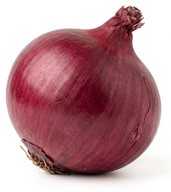
 Onion
Use the same weight; cook a little longer. Milder and less sweet when raw.
 Shallot
Use the same weight; sweeter and softer, so reduce cooking time slightly.
 Spring onion
Use only the white parts, weight for weight, for raw or quick-cooked dishes; green parts are too grassy for long cooking.


 Chilli powder
Use 10 to 15% of the weight (about 1/4 teaspoon per chilli); imparts dry pungent heat and reddens the dish without the grassy crunch.
 Dried red chilli
Use 1 dried pod per fresh green chilli; snap in half and temper in hot oil for a deeper, toastier heat.


 Coriander (cilantro) or basil
Use the same weight, choosing the coriander element if available. If only basil is available, expect a sweeter, more aniseed flavour.
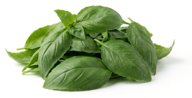 Basil leaves
Use the same weight. Basil is sweeter and more aromatic in a different way; add near the end so it keeps its perfume.
 Coriander paste
Use 1.5 times the weight and reduce other liquid slightly; it is less fresh and more concentrated, so taste before adding more.


 Ground cumin
Use 70% of the weight; add with ground spices or sauce bases rather than hot oil tempering, where it scorches quickly and turns bitter.
 Black cumin seeds
Use equal weight for oil tempering. Delivers an earthy profile with an additional musky, smoky, and slightly bitter edge.
 Fennel seed
Use 60% of the weight for tempering; offers comparable warm aroma, but leans sweet and liquorice-like rather than savoury and earthy.


 Bay leaf
Fry 1 bay leaf for every 5 curry leaves in hot oil; imparts a warm, woodsy background note, but misses the citrus-sulphury punch entirely.
 Lime juice
Add a small squeeze (about 5 ml per sprig of curry leaves) right before serving; provides sharp citrus top notes without the toasty, herbal aroma.


 Ground ginger
Use 50% of the weight. Mimics turmeric's warm, earthy, rhizome background, but provides none of the golden-yellow colour.
 Saffron
Steep a tiny pinch (0.1 g per 2 g turmeric) in 2 tbsp warm water; use to match the rich golden hue. Contributes an aristocratic, honeyed floral flavour rather than earthy bitterness.


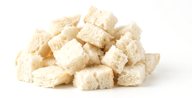 Soft white bread
Use the same weight; toast or dry it first to firm it up, but it will lack the sour tang and chewy crust.
- White bread
Use the same weight; it is softer and less sour, so reduce any liquid slightly if the bread is soaking in the dish.
 Bread
Use the same weight; choose the firmest loaf available and toast it for more structure.


 Pork with fat
Use the same weight, cut into thin strips and render gently; it is meatier and less salty, so reduce added salt and cook 5–10 minutes longer.
 Salted butter
For barding or finishing, use 80% of the weight melted; it gives richness but no cured pork flavour, so add a pinch of salt.


 Cheddar cheese
Use the same weight, grated. Sharper and melts more readily; good in cooked dishes but less nutty.
 Cheese
Use the same weight, grated. Generic hard cheese; melt gently and adjust salt, as it may be saltier.
 Processed cheese
Use the same weight, grated. Melts very smoothly but softer and milder; reduce other salt.


 Coriander microgreen
Use the same weight; it is the closest young coriander. Add at the end so it keeps its fresh flavour.
 Coriander leaf
Use 60–70% of the weight; mature leaf is stronger. Chop finely and stir in at the end.
 Coriander cress
Use the same weight; it is slightly peppery. Add just before serving.





 White vinegar
Use 70% of the weight, make up the rest with water, and add a little granulated sugar if the liquor was sweet. Sharper and thinner.
 White wine vinegar
Use at 70% of the weight with water. Milder and fruitier than pickling liquor.
 Malt vinegar
Use at 60% of the weight with water; stronger and maltier, so reduce any other vinegar in the dish.


Similar dishes

- Same: Masala Omelettes shares eggs, onion, cumin, turmeric, green chilli and coriander with this dish.
- Different: It adds tomato and lemon juice and uses vegetable oil or butter, while this dish uses unsalted butter, lardo, Berkswell, sourdough, curry leaf and pickled shallots.

- Same: Anda Bhurji and this dish are both soft egg scrambles cooked with onion, green chilli, cumin, turmeric, coriander and salt.
- Different: Anda Bhurji uses vegetable oil, tomato and lemon juice, while this dish uses butter, curry leaves, sourdough toast, lardo, Berkswell cheese and pickled shallots with pickling liquor.

- Same: Andhra Egg Curry shares eggs, onion, curry leaves, turmeric, chilli and coriander with this dish.
- Different: Andhra Egg Curry simmers halved hard-boiled eggs in a tomato-onion coconut gravy soured with tamarind and uses vegetable oil, mustard seed, cassia and ginger, while this dish is a butter-rich egg scramble on sourdough with lardo, Berkswell and pickled shallots.
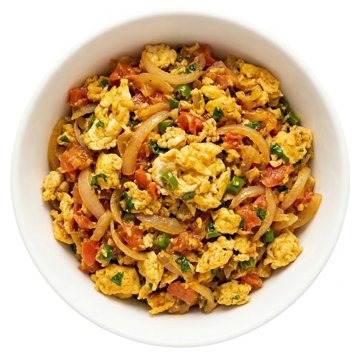
- Same: Khageena shares with this dish a base of scrambled eggs cooked with onion, green chilli, turmeric and fresh coriander.
- Different: Khageena adds tomato, chilli powder and ginger-garlic paste, uses vegetable oil with a little butter or ghee, and is served with handkerchief roti. It lacks this dish’s Berkswell, lardo, sourdough toast, pickled banana shallots, cumin seed, curry leaves and large amount of butter.