Indian cooking
Indian cooking / Dishes / Dakshini Hari Chutney
Dakshini Hari Chutney (Southern Green Chutney)

Dakshini Hari Chutney

Southern Green Chutney
Vegetarian●●●Origin NewPrep 25–30 minutes, plus cooling timeMakes 500g / 1lb 2oz

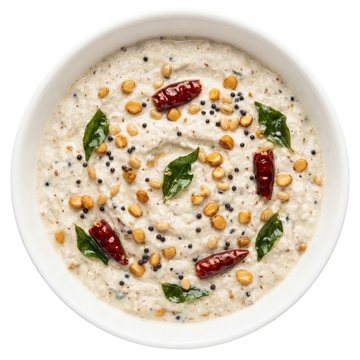
A vibrant South Indian herb chutney packed with curry leaves, fresh coconut, and toasted sesame, enriched with tangy mango and finished with a crunchy dal tempering.

Chutney seeds

0 gSautéed with the greens and aromatics (step 1)
Keep whole: they go directly into the pan with the herbs.

Tempering spices

4 gFried with the dal and curry leaves (step 3)
Keep whole: they are tossed into the hot oil.

Everything else

01
27 g2 tablespoons
oil/fat
05
50 g
nut/seed
06
Fresh ginger · Adrakroughly chopped
10 g
aromatic
07
Garlic · Lehsunroughly chopped
1.5 g½ teaspoon
aromatic
08
15 g1 tablespoon
souring agent
09
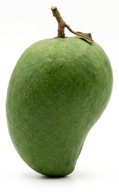
Raw mango · Kaccha Aamchopped, stoned (pitted)
20 g2 tablespoons
fruit
10
to taste
salt
11
18 g4 teaspoons
oil/fat
12
Chana dalrinsed and drained
25 g2 tablespoons
legume
13
2.5 g10 leaves
herb

Method

  1. Warm 2 tbsp oil in a wide frying pan over medium heat. Tip in 200 g curry leaf, 100 g fresh coconut, 50 g coriander leaf, 10 g fresh ginger, 0.5 tsp garlic, and the chutney seeds. Sauté for several seconds, then pull the pan off the heat and let everything cool completely.
  2. Transfer the cooled mixture to a blender. Tip in 2 tbsp chopped mango and 15.3 g lemon juice, season with salt, and blend into a smooth paste, pouring in a splash of water if required to help it catch. Scrape the paste into a bowl.
  3. Set a small pan over medium heat with 4 tsp oil. Cook 25.2 g chana dal for 1 to 2 minutes until lightly golden. Add the tempering spices and 2.5 g curry leaf, swirling them in the hot fat for a few seconds.
  4. Pour the hot tempering over the chutney, fold everything together evenly, and serve immediately.

Don't have something?

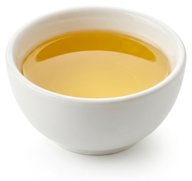
Groundnut oil
  • Peanut oil

    Use the same weight; this is effectively the same oil.

  • Vegetable oil

    Use the same weight. Neutral and less nutty; good for high heat.

  • Corn or vegetable oil

    Use the same weight. Neutral; the dish loses the faint peanut aroma.

Curry leaf
  • Bay leaf

    Fry 1 bay leaf for every 5 curry leaves in hot oil; imparts a warm, woodsy background note, but misses the citrus-sulphury punch entirely.

  • Lime juice

    Add a small squeeze (about 5 ml per sprig of curry leaves) right before serving; provides sharp citrus top notes without the toasty, herbal aroma.

Fresh coconut
  • Desiccated coconut

    Use 50% to 60% of the weight, soaked in equal parts warm water for 15 minutes before grinding. Works well for chutneys, though texture is slightly finer and sweeter.

  • Coconut milk

    Use 1.2 times the weight in curries. Adds creamy richness and authentic flavour, but makes gravies smoother and eliminates the grated, chewy mouthfeel.

Coriander leaf
  • Coriander

    Use equal weight finely chopped; this is the exact same fresh herb.

  • Mint

    Use half the weight finely chopped; provides vibrant green freshness, though the flavour profile becomes noticeably cooler and sharper.

Sesame seed
  • White sesame seed

    Use the same weight. Toast lightly before use; white seeds are milder and give a cleaner look.

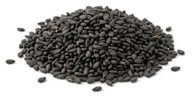
  • Black sesame seed

    Use the same weight. They are stronger and more bitter; toast briefly and use slightly less if the dish is delicate.

  • Peanut

    Use the same weight, crushed or chopped. It gives crunch but not the same nutty sesame aroma.

Fresh ginger
  • Ginger paste

    Use equal weight. Sauté in hot fat until the raw allium smell disappears; slightly wetter, but provides identical warmth and pungency.

  • Ground ginger

    Use 20% to 25% of the weight (1 g for every 4 to 5 g fresh). Stir into the gravy; adds peppery heat and warmth, though it misses the crisp, zesty kick of raw root.

Garlic
  • Garlic paste

    Use equal weight. Fry gently in oil or ghee with the ginger; incorporates smoothly into curries without visible minced bits.

  • Garlic powder

    Use 15% to 20% of the weight (about 1 g for every 5 to 6 g fresh cloves). Whisk into sauces; gives a savoury, toasted garlic flavour without raw pungency.


  • Shallot

    Use 1.5 times the weight, very finely minced. Sauté until golden; provides savoury allium sweetness, though it lacks garlic's pungent sulphur bite.

Lemon juice
  • Lime juice

    Use equal volume or weight; delivers almost identical sharp acidity with a faintly more aromatic, bitter-edged profile.

  • Dried mango powder

    Use 25% of the weight (about 1 g amchoor for 4 g juice); provides clean fruity tartness without thinning the sauce.

  • White vinegar

    Use 75% of the volume; gives direct sourness without any citrus floral fragrance.

Raw mango
  • Raw green mango

    Use the same weight; peel and slice. Practically interchangeable.

  • Unripe mango

    Use the same weight; peel and grate. Close, but may be slightly less sour.

  • Sour green mango

    Use the same weight; peel and deseed. More sour, so reduce lime or amchoor.

Chana dal
  • Yellow split peas

    Use 100% of the weight. Soak for at least 1 hour; takes about 10 minutes longer to cook through and has a marginally earthier flavour.

  • Pigeon peas

    Use 100% of the weight. Reduces cooking time by about 10 minutes and breaks down softer, giving a smoother consistency rather than distinct grains.

  • Black gram

    For tempering or tadka only: use 70% of the weight. Browns faster in hot oil, providing a nutty, crunchy bite.

Dried red chilli
  • Dried kashmiri chilli

    Use equal weight whole. Fry in hot oil or ghee as tempered spice; gives a richer red colour with slightly milder heat.

  • Red chilli powder

    Use 50% to 70% of the weight. Stir into the oil with ground spices; distributes heat evenly throughout the dish without whole chilli skins.

Similar dishes

Uppu Vada
Sesame Seed & Coconut Balls
Uppu Vada is warm, rich, and purely savoury, lacking the sharp citrus acidity and herbal pungency of this dish.
  • Same: Uppu Vada shares the core nutty elements of fresh coconut, sesame seeds, and lentils with this dish.
  • Different: Instead of blending curry leaves, coriander, ginger, garlic, and lemon juice into a raw chutney, Uppu Vada mixes urad dal with butter and asafoetida before deep-frying in vegetable oil.
Majjida Karhi
Dal & Buttermilk Curry
Majjida Karhi is milder and creamier with a cooling dairy tang, unlike the intensely herbal, sharp, and nutty bite of this dish.
  • Same: Both recipes rely on fresh coconut, fresh ginger, and coriander, finished with a fried tempering of dal and dried red chillies.
  • Different: Majjida Karhi is a cooked curry featuring a buttermilk base, onions, rice, and turmeric, whereas this dish is a ground condiment packed with raw curry leaves, sesame seeds, garlic, and lemon juice.
Molagootal
Moong Dal with Vegetables
Molagootal tastes mild, creamy, and dal-based with a coconut-chilli warmth, while this dish tastes tangy, herby, and intensely curry-leaf forward with sesame and mango.
  • Same: Molagootal shares South Indian seasoning with this dish, using curry leaves, fresh coconut, and dried red chilli.
  • Different: Molagootal is a moong dal and mixed vegetable stew with a mustard seed and urad dal tempering, while this dish is a curry-leaf and coconut chutney with sesame, raw mango, lemon juice, and a chana dal tempering.
Dahi ki Chutney
Yoghurt Chutney
Dahi ki Chutney tastes creamier and milder with dairy tang, whereas this dish has a sharp, nutty, and intensely herbaceous flavor.
  • Same: Both condiments blend fresh coconut and ginger, finished with a fried dal and dried red chilli tempering.
  • Different: Dahi ki Chutney incorporates whisked yoghurt, urad dal, and fresh green chillies, but omits the coriander leaves, sesame seeds, garlic, and bulk curry leaves used in this dish.