Indian cooking
Indian cooking / Dishes / Uppu Vada
Uppu Vada (Sesame Seed & Coconut Balls)

Uppu Vada

Sesame Seed & Coconut Balls
Vegetarian●●●Origin Tamil NaduPrep 30–45 minutes, plus drying timeCook 10 minutes

These crisp, bite-sized South Indian savoury balls combine toasted rice and lentil flours with fresh coconut and nutty sesame seeds. Deep-fried until golden, they have a crunchy exterior and a rich, aromatic flavour.

Sesame seeds for toasting

0 gToasted dry in the pan (step 3)
Keep whole for dry-roasting.

Asafoetida

0.3 gMixed into the dough with the coconut and butter (step 4)
01
~0.3 g1 pinch
spice
Add directly to the dry ingredients.

Everything else

02
Black gram · Urad Dalrinsed and drained
100 g
legume
03
120 g
nut/seed
04
175 g½ coconut
fruit
05
14 g1 tablespoon
dairy
06
Vegetable oil · Telfor deep-frying
to taste
oil/fat
07
to taste
salt

Method

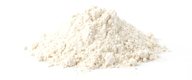
  1. Place 1000 g rice flour into a dry frying pan over medium heat and stir for roughly 30 seconds until lightly roasted, then transfer to a large mixing bowl.
  2. Add 100 g urad dal to the dry pan and toast for about 1 minute until lightly browned. Tip into a blender, grind to a fine powder, and combine with the roasted rice flour.
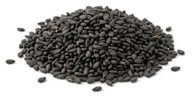
  3. Tip the sesame seeds for toasting into the hot, dry pan and roast for about 30 seconds until fragrant.
  4. Add the roasted sesame seeds, 175 g fresh coconut, the asafoetida, 14.1 g butter, and salt to taste to the bowl. Gradually mix in enough water to form a soft, pliable dough.
  5. Shape the dough into small, marble-sized balls and arrange them on a clean cloth to air-dry for about 1 hour.
  6. Pour vegetable oil for deep-frying into a kadhai or heavy-bottomed pan and heat to 180°C (350°F), checking that a cube of bread dropped in browns within 30 seconds.
  7. Working in batches, fry the balls for about 2 minutes until uniformly medium brown. Lift out using a slotted spoon and drain thoroughly on paper towels; once cooled, store in an airtight container for up to one month.

Don't have something?

Rice flour
  • Cornflour

    Use about 60–70% of the weight for thickening; for coatings use the same weight but the crust is denser.

  • Plain flour

    Use the same weight for coatings; contains gluten, browns faster and is less crisp.

  • Fine semolina

    Use the same weight for crisp coatings; coarser texture and needs a short rest.

Urad dal
  • Whole black gram

    Use equal weight. Needs longer soaking and cooking; the dark skins impart an earthy flavour and greyish-black hue unless thoroughly rubbed off.

  • Chana dal

    Use equal weight when tempering (tadka). Provides a comparable nutty, crunchy texture in hot oil, though grains are slightly larger.

  • Split mung beans

    Use equal weight for batters or dals. Ferments and cooks faster, producing a lighter, less sticky, and less viscous consistency.

Sesame seed
  • White sesame seed

    Use the same weight. Toast lightly before use; white seeds are milder and give a cleaner look.

  • Black sesame seed

    Use the same weight. They are stronger and more bitter; toast briefly and use slightly less if the dish is delicate.

  • Peanut

    Use the same weight, crushed or chopped. It gives crunch but not the same nutty sesame aroma.

Fresh coconut
  • Desiccated coconut

    Use 50% to 60% of the weight, soaked in equal parts warm water for 15 minutes before grinding. Works well for chutneys, though texture is slightly finer and sweeter.

  • Coconut milk

    Use 1.2 times the weight in curries. Adds creamy richness and authentic flavour, but makes gravies smoother and eliminates the grated, chewy mouthfeel.


Asafoetida
  • Garlic powder

    Use double the weight. Stir into hot oil just before adding wet ingredients; mimics the allium savoury background without the sulphurous edge.

  • Garlic paste

    Use 2 g for every 0.5 g of asafoetida. Sauté in oil until the raw smell clears; adds moisture and sweet allium depth.

Butter
  • Unsalted butter

    Use 100% of the weight. If the original recipe relies on salted table butter, add a pinch of salt to balance.

  • Ghee

    Use 80% to 85% of the weight. Ghee is pure butterfat with moisture removed; it yields a deeper, nuttier flavour and handles high heat better.

  • Vegetable oil

    Use 80% of the weight for frying or tempering. The dish loses sweet dairy richness but remains glossy and light.

Vegetable oil
  • Peanut oil

    Use 1:1 by weight. Handles high-heat frying identically and introduces a very subtle, pleasant nuttiness.

  • Ghee

    Use 1:1 by weight. Yields a much richer, authentic aroma and a glossy, heavier mouthfeel.

  • Mustard oil

    Use 1:1 by weight. Heat until smoking, then cool slightly before cooking to temper its intensely pungent, sharp mustard kick.

Similar dishes

Dakshini Hari Chutney
Southern Green Chutney
It tastes much fresher, sharper, and tangier than this rich, toasty, and savoury dish.
  • Same: Dakshini Hari Chutney also relies on fresh coconut and sesame seeds for richness and texture.
  • Different: Unlike this deep-fried urad dal snack, it is a blended condiment packed with curry leaves, coriander, ginger, garlic, and lemon juice, finished with a fried chana dal tempering.
Chandrakanthalu
Saffron, Coconut & Cashew Biscuits (Cookies)
Chandrakanthalu is sweet and aromatic with saffron and cardamom, whereas this dish is savoury, salty, and nutty.
  • Same: Chandrakanthalu is also deep-fried and pairs a dal base with fresh coconut.
  • Different: Chandrakanthalu uses cooked moong dal sweetened with granulated sugar and spiced with cardamom and saffron, omitting the urad dal, sesame seeds, butter, and asafoetida used in this dish.
Parippu Payasam
Green Moong Dal Flavoured with Coconut Milk
Parippu Payasam is sweet, creamy, and spiced with cardamom, unlike the salty, nutty, and savoury flavour of this dish.
  • Same: Parippu Payasam also pairs a lentil base with coconut.
  • Different: Instead of deep-frying urad dal and sesame seeds into crisp balls, Parippu Payasam simmers green moong dal with coconut milk, jaggery, ghee, cardamom, and cashews.
Muthapappu
Moong Dal, Coconut & Vegetable Curry
Muthapappu tastes earthy and gently spiced with a thick, soft curry texture, while this dish is crisp, crunchy and rich with toasted sesame and coconut.
  • Same: Both are South Indian savoury dishes using coconut, asafoetida, rice flour and salt, and neither lists a souring agent.
  • Different: Muthapappu is a simmered moong dal, green bean and courgette curry bound with dried coconut and spiced with coriander, chilli, mustard and turmeric, while this dish is a deep-fried rice-flour and urad dal ball with sesame and fresh coconut; Muthapappu lists no added fat, whereas this dish uses butter and deep-fries in vegetable oil.