
Andhra Chintakaya Chaap
Lamb chops braised with caramelised onions, tamarind and potato in a thin, tangy sauce, with ginger and mild chilli warmth.
Ground spices for the chops
3.1 gStirred in after the chops have fried (step 5)Everything else

Method
- Put 1000 g lamb chop in a bowl with 10 g ginger root paste and turn to coat; leave for a few hours or overnight.
- Heat 54 g vegetable oil in a large, heavy-based saucepan over medium heat.
- Add 450 g white onion and fry for 35–40 minutes, stirring and scraping up browned bits, until caramelised and light brown.
- Add the lamb chops and fry for 2–3 minutes.
- Add the masala, mix well and fry for 5 minutes.
- Add 50 g water and salt to taste, cover and cook over low heat for 15 minutes.
- Add 125 g potato, 6 g tamarind paste and the remaining 99 g water; cook for 12–14 minutes until the potato is tender, adding a little more water only if needed for a very light sauce.
- Garnish with chopped coriander.
Don't have something?


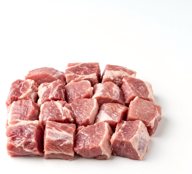 Pork
Use equal weight of bone-in pork chops; cook over medium heat, taking care not to dry them out, done in 10-12 minutes.
 Lamb shoulder
Use equal weight cut into thick steaks; requires lower, slower braising for 45 minutes longer to become tender.


 Ginger paste
Use equal weight. Sauté in hot fat until the raw allium smell disappears; slightly wetter, but provides identical warmth and pungency.
 Ground ginger
Use 20% to 25% of the weight (1 g for every 4 to 5 g fresh). Stir into the gravy; adds peppery heat and warmth, though it misses the crisp, zesty kick of raw root.


 Peanut oil
Use 1:1 by weight. Handles high-heat frying identically and introduces a very subtle, pleasant nuttiness.
 Ghee
Use 1:1 by weight. Yields a much richer, authentic aroma and a glossy, heavier mouthfeel.
 Mustard oil
Use 1:1 by weight. Heat until smoking, then cool slightly before cooking to temper its intensely pungent, sharp mustard kick.


 Brown onion
Use the same weight; it is the closest everyday match, with a slightly deeper sweetness when fried.
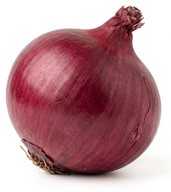 Red onion
Use the same weight; it is sharper and will tint the dish pink, so cook a little longer for sweetness.
 Shallot
Use the same weight; it is milder and sweeter, so reduce frying time slightly to avoid burning.


 Ground mustard seed
Use equal weight. Finely grind whole black or yellow mustard seeds in a spice grinder; yellow gives milder heat, black gives stronger pungency.
 Mustard seeds
Use equal weight, crushed to a paste with a splash of water using a pestle and mortar. Adds a similar sharp bite.


 Mild paprika
Use the same weight for colour and low heat; add a small pinch of hot chilli powder if needed.
 Kashmiri chilli powder
Use the same weight; similar colour, slightly more heat. Taste before adding more.
 Red chilli powder
Use half the weight and make up with mild paprika; red chilli powder is usually hotter.


 Stock
Use the same weight in savoury dishes; it adds body, so adjust salt.
 Milk
Use the same weight only in doughs or creamy dishes; it makes the result richer.
 Coconut water
Use the same weight in curries or rice; it adds sweetness and a faint coconut taste.



 Eggplant
Use equal weight. Cut into large chunks; cooks down much faster (10-12 minutes) and softens into the sauce rather than staying starchy and firm.
 Paneer
Use 80% of the weight. Cube and add in the last 5-10 minutes of cooking; adds rich dairy protein instead of starchy bulk.
 Dried chickpea
Use 45% dry weight. Soak overnight and boil until fully soft before stirring into the sauce to simmer for 10 minutes.


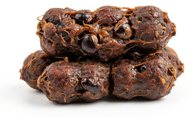 Tamarind pulp
Use 120–150% of the weight and strain; pulp is less concentrated, so simmer a little longer to thicken.
 Tamarind extract
Use 150–200% of the weight and reduce gently; extract is already diluted.
 Lime juice
Use 60–70% of the weight with a pinch of jaggery; sharper, so add near the end off the heat.


 Coriander leaf
Use equal weight, chopped fresh and stirred in off the heat or used as garnish. Matches the citrus-herbal profile identically.
 Mint
Use 40% to 50% of the weight; chop finely and add at the very end. Adds fresh herbal brightness, but shifts the aroma toward cool menthol.


Similar dishes

- Same: Chintakkai Chaamp shares lamb chops, onions, potato, tamarind, ginger, mustard powder and chilli with this dish, and both braise the meat in a tangy sauce.
- Different: Chintakkai Chaamp uses green chilli, mint and tamarind extract, has much more onion, potato and oil and less lamb, and lacks this dish's coriander, added water and ginger root.

- Same: Attirachi Perelan shares lamb, potato, white onion, ginger, vegetable oil, chilli heat and a coriander garnish with this dish.
- Different: Attirachi Perelan uses lamb leg on the bone, a turmeric marinade, tomato, garlic, fennel, black peppercorn, green bird's-eye chilli, ground coriander, Kashmiri chilli powder, green cardamom, curry leaf and coconut milk, and it lacks this dish's tamarind paste and mustard powder.

- Same: Roast Mutton shares lamb, potato, onion, ginger, vegetable oil and salt with this dish, and both are slow-cooked.
- Different: Roast Mutton uses leg of lamb, garlic paste, Worcestershire sauce, black pepper and plain flour for a rich gravy, with no tamarind, mustard powder, mild chilli powder or coriander, while this dish braises lamb chops with tamarind and ginger in a thin sauce.

- Same: Aloo ka Salan shares lamb, potato, onion, ginger and salt with this dish.
- Different: It uses ghee and yogurt instead of vegetable oil and tamarind, adds garlic, ground coriander, turmeric and garam masala, and simmers lamb chunks with much more potato in a yoghurt sauce rather than braising chops in a thin tamarind sauce.