
Roast Mutton
A slow-cooked spiced pot-roast lamb simmered until tender alongside potatoes, served with a rich pan gravy.
Marinade pastes
21 gWhisked into the marinade (step 1)Everything else

Method
- In a wide mixing bowl, combine the marinade pastes, 1 tablespoon boiled onion paste (Ubala Pisa Pyaz), 3 tablespoons Worcestershire sauce, 1 teaspoon black pepper, salt to taste, and a small splash taken from 228 g vegetable oil.
- Prick 1000 g leg of lamb thoroughly with a skewer and place it in a shallow dish. Rub the marinade evenly over the meat, cover, and refrigerate overnight.
- The next day, heat the remaining vegetable oil in a large heavy pot on high heat, then lower to medium. Add the lamb and fry for about 10 minutes, rotating often until evenly browned.
- Pour in 500 ml water and bring to a boil. Turn the heat down low, cover, and gently simmer for roughly 2 hours, turning the meat once and basting periodically with the juices.
- About 20 minutes before the lamb finishes cooking, scatter 1800 g potato chunks into the liquid around the meat. Check that the juices run pale rather than red when pierced with a skewer.
- Transfer the cooked lamb and potatoes to a serving platter, leaving the juices behind in the pan.
- Place the pot with the meat juices back on the stove until the fat starts bubbling. Stir in 1 tablespoon flour and cook until nicely browned, then pour in 125 ml warm water and simmer until the sauce thickens into gravy to serve alongside the carved meat.
Don't have something?


 Onion paste
Use the same weight, then simmer in a little water for 5–8 minutes and cool; raw paste is sharper and stronger.
 Fried onion paste
Use about 75% of the weight; it is sweeter, darker and stronger, so reduce salt and sugar slightly.
 Boiled onion
Use the same weight, boil until soft and blend; it is the same thing made fresh.


 Fresh ginger
Use equal weight; peel and grate very finely on a microplane or pound to a fine paste in a mortar.
 Ginger
Use equal weight; mince finely and crush with the flat of a knife before frying.
 Ground ginger
Use 20% of the weight; add directly with the dry spice powders, though it yields an earthier, less pungent profile.


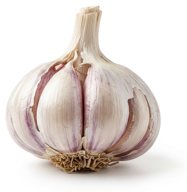
 Garlic
Use equal weight; crush or finely grate to a smooth pulp to replicate the same fresh, pungent moisture in your base gravy.
 Garlic powder
Use 20 to 25% of the weight; mix with a teaspoon of water before adding to oil so it does not burn, noting it lacks the fresh bite.

 Soy sauce
Use the same weight; it is saltier, so reduce added salt and taste before finishing.
 Vinegar
Use 60–70% of the weight; it is sharper, so add a pinch of sugar to soften it.
 Tamarind extract
Use 50% of the weight; it gives sourness but not the same savoury depth, so adjust salt and sugar.


 Peanut oil
Use 1:1 by weight. Handles high-heat frying identically and introduces a very subtle, pleasant nuttiness.
 Ghee
Use 1:1 by weight. Yields a much richer, authentic aroma and a glossy, heavier mouthfeel.
 Mustard oil
Use 1:1 by weight. Heat until smoking, then cool slightly before cooking to temper its intensely pungent, sharp mustard kick.


 Black peppercorn
Use the same weight and crush or grind as the recipe needs; whole peppercorn is the same spice.
 Ground black pepper
Use the same weight; add nearer the end if the recipe calls for whole pepper, as ground loses aroma faster.
 Ground white pepper
Use about 75–80% of the weight; it is milder and earthier, with less bite.


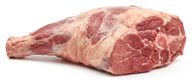
 Leg of spring lamb
Use the same weight; younger and tenderer, so reduce cooking by 10–15 minutes.
 Lamb shoulder
Use the same weight; more fat, so cook 15–20 minutes longer and skim excess fat.
 Leg of goat
Use the same weight; stronger flavour and tougher, so cook 15–20 minutes longer.



 Eggplant
Use equal weight. Cut into large chunks; cooks down much faster (10-12 minutes) and softens into the sauce rather than staying starchy and firm.
 Paneer
Use 80% of the weight. Cube and add in the last 5-10 minutes of cooking; adds rich dairy protein instead of starchy bulk.
 Dried chickpea
Use 45% dry weight. Soak overnight and boil until fully soft before stirring into the sauce to simmer for 10 minutes.



 Whole wheat flour
Use the same weight, add 10–15% more water and rest the dough for 20 minutes; the result is heavier and nuttier.
 Rice flour
Use the same weight for crisp coatings; for doughs use no more than half rice flour with wheat flour, or it will be crumbly.
 Cornflour
For thickening use half the weight, mixed with cold water; it is not suitable for bread or chapati dough.


Similar dishes

- Same: Both Chintakkai Chaamp and this dish braise lamb and potatoes together in vegetable oil with onions and ginger paste.
- Different: Chintakkai Chaamp uses lamb chops simmered with tamarind extract, mustard powder, chillies, and fresh mint, but lacks the garlic paste found in this dish.

- Same: Both dishes simmer meat alongside potatoes using ginger, garlic, and onions as a base.
- Different: Ishtoo (II) cooks as a stew with coconut milk, curry leaves, green chillies, and whole spices like cinnamon, cloves, and cardamom, whereas this dish is an oil-rich pot roast made without coconut or whole spices.

- Same: Kobarimasam Pulussu shares lamb, potato, vegetable oil, ginger, black pepper and salt with this dish, and both are simmered until tender.
- Different: Kobarimasam Pulussu uses onion pieces, green chilli, garam masala, curry leaf and coconut cream, and it lacks this dish's Worcestershire sauce, garlic paste, boiled onion paste and plain flour; it is a coconut-based curry rather than a flour-thickened pan gravy.

- Same: Andhra Chintakaya Chaap shares lamb, potato, onion, ginger and vegetable oil with this dish, and both are simmered in a spiced pan sauce.
- Different: Andhra Chintakaya Chaap uses lamb chops, tamarind paste, coriander, mild chilli powder and mustard powder, with far less oil and potato, no garlic paste, no Worcestershire sauce, no black pepper and no flour, and it makes a thin sauce rather than this dish's rich pan gravy.