Indian cooking
Indian cooking / Dishes / Tsuk Wangun
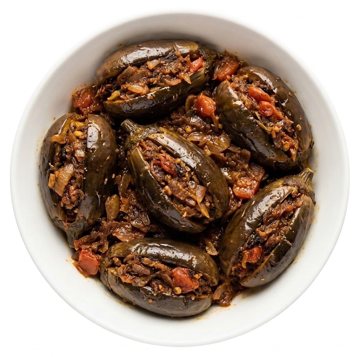
Tsuk Wangun (Sour Kashmiri Aubergines (Eggplant))

Tsuk Wangun

Sour Kashmiri Aubergines (Eggplant)
Vegetarian●●●Origin Jammu and KashmirPrep 20 minutes, plus marinating timeCook 30 minutes

A classic Kashmiri preparation of whole fried baby aubergines simmered in a tangy tamarind, tomato, and onion gravy. The dish balances sharp sourness with deep, warming spices.

Marinade spices

1.5 gWhisked with lemon juice for the marinade (step 1)
01
1.5 g½ teaspoon
spice
Stir directly into the citrus base.

Spices for the wet paste

29 gMixed with water into a paste (step 3)
Stir with 4 tablespoons of water to form a smooth paste.

Whole spices for the sauce

3 gFried in the hot oil (step 5)
01
0.4 g6 cloves
spice
Leave whole to temper the oil.

Everything else

01
1600 g8 aubergines
vegetable
02
Vegetable oil · Telfor deep frying
to taste
oil/fat
03
31 g2 tablespoons
souring agent
04
to taste
salt
05
72 g¼ cup
souring agent
06
27 g2 tablespoons
oil/fat
07
120 g1 tomato
vegetable

Method

  1. Slit the 8 aubergines lengthwise, leaving them attached at the stalk.
  2. Whisk 30.6 g lemon juice, salt to taste, and the marinade spices together in a bowl, then coat the aubergines thoroughly inside and out. Set aside in a covered dish for 30 minutes.
  3. Combine the spices for the wet paste with 4 tablespoons of water and mix into a uniform paste.
  4. Simmer the tamarind pulp in 125 ml of water over medium-low heat for 5 to 7 minutes until the liquid reduces by half. Pass through a fine sieve, pressing to extract the sour liquor and discarding the fibrous solids.
  5. Heat vegetable oil for deep-frying to 180°C (350°F). Fry the marinated aubergines in batches for 2 to 3 minutes until tender, then drain on kitchen paper.
  6. Warm 27 g vegetable oil in a pan over medium heat. Add the whole spices for the sauce and sizzle for a few seconds until fragrant, then add the wet spice paste and fry for about 2 minutes until the oil parts from the paste.
  7. Stir in 120 g puréed tomato and cook for 2 to 3 minutes. Pour in the reserved tamarind extract, simmer for 1 minute, then incorporate the fried onion paste and cook until oil beads at the surface.
  8. Pour in 250 ml of water and bring to a boil. Lower the heat to a gentle simmer until the sauce achieves a light, pourable consistency.
  9. Tuck the fried aubergines into the sauce, simmer gently for 5 minutes, and adjust the salt before serving.

Don't have something?

Round aubergine
  • Small aubergine

    Use the same weight; halve or quarter if larger and cook until tender.

  • Aubergine

    Use the same weight, cut into rounds or chunks; salt for 10 minutes and use a little more oil.

  • Baby aubergine

    Use the same weight; they cook faster, so check after 8–10 minutes.

Vegetable oil
  • Peanut oil

    Use 1:1 by weight. Handles high-heat frying identically and introduces a very subtle, pleasant nuttiness.

  • Ghee

    Use 1:1 by weight. Yields a much richer, authentic aroma and a glossy, heavier mouthfeel.

  • Mustard oil

    Use 1:1 by weight. Heat until smoking, then cool slightly before cooking to temper its intensely pungent, sharp mustard kick.

Ground turmeric
  • Ground ginger

    Use 50% of the weight. Mimics turmeric's warm, earthy, rhizome background, but provides none of the golden-yellow colour.

  • Saffron

    Steep a tiny pinch (0.1 g per 2 g turmeric) in 2 tbsp warm water; use to match the rich golden hue. Contributes an aristocratic, honeyed floral flavour rather than earthy bitterness.

Lemon juice
  • Lime juice

    Use equal volume or weight; delivers almost identical sharp acidity with a faintly more aromatic, bitter-edged profile.

  • Dried mango powder

    Use 25% of the weight (about 1 g amchoor for 4 g juice); provides clean fruity tartness without thinning the sauce.

  • White vinegar

    Use 75% of the volume; gives direct sourness without any citrus floral fragrance.

Ginger paste
  • Fresh ginger

    Use equal weight; peel and grate very finely on a microplane or pound to a fine paste in a mortar.

  • Ginger

    Use equal weight; mince finely and crush with the flat of a knife before frying.

  • Ground ginger

    Use 20% of the weight; add directly with the dry spice powders, though it yields an earthier, less pungent profile.

Garlic paste
  • Garlic

    Use equal weight; crush or finely grate to a smooth pulp to replicate the same fresh, pungent moisture in your base gravy.

  • Garlic powder

    Use 20 to 25% of the weight; mix with a teaspoon of water before adding to oil so it does not burn, noting it lacks the fresh bite.

Ground coriander
  • Coriander seeds

    Dry-roast lightly in a pan and grind to a fine powder; use equal weight (1:1). Offers a noticeably fresher, brighter citrus note.

  • Ground cumin

    Use 50% to 75% of the weight. Lacks the floral, citrusy profile of coriander and turns the gravy heavier, earthier, and darker.

  • Garam masala

    Use 50% of the weight and stir in near the end of cooking. Adds warmth and depth since it contains ground coriander, but introduces stronger spices like clove and cinnamon.

Red chilli paste
  • Red chilli powder

    Use about 30–40% of the paste weight, mix with water to a paste and add gradually; it is drier and hotter.

  • Fresh red chilli

    Blend deseeded fresh red chillies to the same weight as the paste; fresher, sharper heat and more moisture.

  • Kashmiri red chilli powder

    Use the same weight mixed with water; gives good red colour but much less heat, so add cayenne if needed.

Tamarind pulp
  • Tamarind paste

    Use 70–80% of the weight, dilute with water and strain; paste is more concentrated.

  • Tamarind extract

    Use 150% of the weight and reduce; extract is thinner and less fibrous.

  • Lime juice

    Use 60% of the weight plus a pinch of jaggery; sharper and lacks body, so thicken if needed.

Clove
  • Ground cloves

    Use 1 g ground for 4 g whole (or 1 small pinch per 2 to 3 whole cloves). Add with spice powders; disperses intense warmth quickly, so use with restraint.

  • Allspice berries

    Use 100% of the weight whole in tempering. Imparts a warm, clove-like aromatic profile combined with hints of nutmeg and cinnamon.

  • Black cardamom pod

    Use 1 pod for 3 to 4 cloves in whole tempering. Shares a camphor-like warmth and medicinal depth, though it introduces a distinct smoky undertone.

Cassia bark
  • Ceylon cinnamon

    True cinnamon: thinner, papery quills, milder and sweeter. Use about 1.5 times the weight, and taste.

  • Ground cinnamon (cassia)

    Use about a third of the weight (0.5 g ground for a 2.5 cm piece), stirred in with the ground spices rather than fried whole, since the powder burns quickly.

  • Cassia buds

    Use 60-70% of the weight; stronger and more peppery, so taste before adding more.

Tomato
  • Tomato purée

    Use 40% to 50% of the fresh tomato weight mixed with a splash of water. Imparts a deeper red colour, thicker sauce, and slightly sweeter cooked flavour.


  • Plain yogurt

    Use 60% of the weight, whisked smooth and added on low heat. Provides rich body and sourness, though the gravy becomes paler and creamier.

Fried onion paste
  • Fried onions

    Blend the same weight with 1–2 tablespoons water to a smooth paste; add only enough water to grind.

  • Onion paste

    Fry the same weight in oil until deep golden, then mash or blend; cook a little longer to remove the raw taste.

  • Boiled onion paste

    Fry the same weight in oil until golden before use; it will be wetter, so cook until the oil separates.

Similar dishes

Bharwan Baigan
Aubergines (Eggplant) with Spicy Filling
Bharwan Baigan is spicier and more pungent from mustard oil and chilli, lacking the pronounced sour tang that lemon juice gives this dish.
  • Same: Bharwan Baigan also uses whole aubergines cooked with tomatoes, onions, ginger, garlic, cloves, turmeric, and coriander.
  • Different: Bharwan Baigan stuffs the aubergines rather than simmering them in gravy, uses pungent mustard oil instead of vegetable oil, adds chilli powder and garam masala, and omits the cinnamon and lemon juice.
Khatte Meethe Baigan
Sweet & Sour Minty Aubergine (Eggplant)
Khatte Meethe Baigan is sweeter and herbal from tamarind and mint, whereas this dish is sharply sour and warm-spiced from lemon juice, tomatoes, cloves, and cinnamon.
  • Same: Both recipes braise whole aubergines in vegetable oil with an onion, ginger, and garlic base seasoned with ground turmeric and coriander.
  • Different: Khatte Meethe Baigan stuffs the aubergines with mint chutney and uses tamarind extract, cumin, and chilli powder instead of the tomatoes, lemon juice, cloves, cinnamon, and fried onion paste in this dish.
Kashmiri Tsuk Wangun
Tangy Spiced Aubergines with Fried Onions, Chilli and Tamarind
Kashmiri Tsuk Wangun tastes sour-hot and aromatic with a lightly sweet onion depth, while this dish is sharply sour with deeper warming spice.
  • Same: Kashmiri Tsuk Wangun shares with this dish baby aubergines, tomato, tamarind, onion, turmeric, coriander, clove and a shallow-fry then simmer method.
  • Different: Kashmiri Tsuk Wangun uses fresh garlic and ginger, tomato purée, fennel seed, sugar, water and coriander leaf, and lacks this dish's lemon juice, cinnamon, red chilli paste and fried onion paste.
Baigan ka Bharta
Roasted Mashed Aubergine (Eggplant)
Baigan ka Bharta has a smoky, rich, and savoury profile with gentle heat, lacking the prominent sharp acidity found in this dish.
  • Same: Baigan ka Bharta also uses aubergine as the primary ingredient, cooked with tomatoes, ginger, garlic, cloves, and turmeric.
  • Different: Baigan ka Bharta roasts and mashes the aubergine in ghee with fresh onions, cumin seeds, green chillies, and chilli powder, whereas this dish fries whole aubergines in vegetable oil with fried onion paste, cinnamon, and lemon juice.