Indian cooking
Indian cooking / Dishes / Tamatar ka Kut
Tamatar ka Kut (Tangy Curried Tomatoes)

Tamatar ka Kut

Tangy Curried Tomatoes
Vegetarian●●●Origin HyderabadPrep 30 minutesCook 30 minutes

A velvety Hyderabadi tomato curry thickened with roasted gram flour, balancing sweet-tart fruitiness with warming ground spices and an aromatic whole-seed tadka.

Tomato simmering spices

4 gAdded to the boiling tomatoes (step 1)
01
1.9 g½ teaspoon
spice
02
2.1 g1 teaspoon
spice
Keep whole: they go into the water with the tomatoes.

Curry spice paste

16 gFried with the browned onions (step 2)
Mix together into a damp paste.

Tempering spices

16 gBloomed in hot oil (step 5)
01
3.2 g½ tablespoon
spice
02
0.8 g¼ teaspoon
spice
03
2.8 g¼ tablespoon
spice
04
2.2 g¼ tablespoon
spice
05
7–8 g7–8 chillies
spice
Keep whole: they go into the hot oil together.

Everything else

01
1000 g
vegetable
02
3.8–5 g15–20 leaves
herb
03
68 g5 tablespoons
oil/fat
04
300–450 g2–3 onions
vegetable
05
9 g1 tablespoon
nut/seed
06
12 g2 tablespoons
flour
07
to taste
salt
08
14 g1 tablespoon
oil/fat
09
2–2.5 g8–10 leaves
herb

Method

  1. Bring 250 ml water to a boil in a large, heavy pan over medium-high heat. Add 1000 g tomato, 3.8–5 g curry leaf, and the tomato simmering spices. Cook for 10 minutes until the tomatoes soften, then rub through a fine sieve into a bowl to create a smooth purée, discarding the seeds and skins.
  2. Pour 67.5 g vegetable oil into the pan and place over medium heat. Add 300–450 g onion and fry for 5–7 minutes until rich golden brown. Stir in the curry spice paste and fry for 2 minutes to cook out the raw aromatics.
  3. Add the strained tomato purée to the pan and season with salt to taste, stirring well.
  4. In a small bowl, stir 2 tablespoon chickpea flour with a little water to form a smooth slurry, then whisk it into the pan. Pour in a splash more water if necessary to achieve a thick, soup-like consistency, then simmer gently over medium heat for 10 minutes.
  5. In a small frying pan, warm 13.5 g vegetable oil over medium heat. Add the tempering spices and 2–2.5 g curry leaf. As soon as the seeds crackle and become fragrant, pour the hot oil and spices over the tomato curry and stir to finish.

Don't have something?

Tomato
  • Tomato purée

    Use 40% to 50% of the fresh tomato weight mixed with a splash of water. Imparts a deeper red colour, thicker sauce, and slightly sweeter cooked flavour.

  • Plain yogurt

    Use 60% of the weight, whisked smooth and added on low heat. Provides rich body and sourness, though the gravy becomes paler and creamier.

Ginger paste
  • Fresh ginger

    Use equal weight; peel and grate very finely on a microplane or pound to a fine paste in a mortar.

  • Ginger

    Use equal weight; mince finely and crush with the flat of a knife before frying.

  • Ground ginger

    Use 20% of the weight; add directly with the dry spice powders, though it yields an earthier, less pungent profile.

Garlic paste
  • Garlic

    Use equal weight; crush or finely grate to a smooth pulp to replicate the same fresh, pungent moisture in your base gravy.

  • Garlic powder

    Use 20 to 25% of the weight; mix with a teaspoon of water before adding to oil so it does not burn, noting it lacks the fresh bite.

Curry leaf
  • Bay leaf

    Fry 1 bay leaf for every 5 curry leaves in hot oil; imparts a warm, woodsy background note, but misses the citrus-sulphury punch entirely.

  • Lime juice

    Add a small squeeze (about 5 ml per sprig of curry leaves) right before serving; provides sharp citrus top notes without the toasty, herbal aroma.

Fenugreek seed
  • Mustard seed

    Use 50% of the weight, crush or grind. Sharper heat and less maple-bitter; fry briefly in oil before adding.

  • Caraway seeds

    Use the same weight, crush lightly. Similar bitter-seed note but more aniseed; reduce other sweet spices slightly.

  • Ajwain seeds

    Use 25–30% of the weight, crush. Much stronger thyme-like flavour; do not overdo.

Cumin seed
  • Ground cumin

    Use 70% of the weight; add with ground spices or sauce bases rather than hot oil tempering, where it scorches quickly and turns bitter.

  • Black cumin seeds

    Use equal weight for oil tempering. Delivers an earthy profile with an additional musky, smoky, and slightly bitter edge.

  • Fennel seed

    Use 60% of the weight for tempering; offers comparable warm aroma, but leans sweet and liquorice-like rather than savoury and earthy.

Vegetable oil
  • Peanut oil

    Use 1:1 by weight. Handles high-heat frying identically and introduces a very subtle, pleasant nuttiness.

  • Ghee

    Use 1:1 by weight. Yields a much richer, authentic aroma and a glossy, heavier mouthfeel.

  • Mustard oil

    Use 1:1 by weight. Heat until smoking, then cool slightly before cooking to temper its intensely pungent, sharp mustard kick.

Onion
  • Shallot

    Use equal weight, finely sliced. Shallots soften and brown faster, giving a slightly sweeter and more delicate base to curries.

  • Cabbage

    Use 80% of the weight, finely shredded and browned slowly with a pinch of asafoetida. Replicates the bulk and natural sweetness in gravies without allium.

Ground turmeric
  • Ground ginger

    Use 50% of the weight. Mimics turmeric's warm, earthy, rhizome background, but provides none of the golden-yellow colour.

  • Saffron

    Steep a tiny pinch (0.1 g per 2 g turmeric) in 2 tbsp warm water; use to match the rich golden hue. Contributes an aristocratic, honeyed floral flavour rather than earthy bitterness.

Chilli powder
  • Red chilli powder

    Use 100% of the weight. Provides direct, sharp heat and red colour in equal measure.

  • Kashmiri chilli powder

    Use 150% to 200% of the weight if matching colour, but add a pinch of black pepper or hot chilli if you need equivalent fiery heat.

  • Cayenne pepper

    Use 75% to 100% of the weight. Offers a sharp, clean heat with slightly less earthy depth and less crimson colour.

Sesame seed
  • White sesame seed

    Use the same weight. Toast lightly before use; white seeds are milder and give a cleaner look.

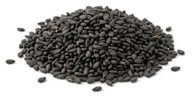
  • Black sesame seed

    Use the same weight. They are stronger and more bitter; toast briefly and use slightly less if the dish is delicate.

  • Peanut

    Use the same weight, crushed or chopped. It gives crunch but not the same nutty sesame aroma.

Chickpea flour
  • Yellow split pea flour

    Use 100% of the weight. Many commercial gram flours are milled from split peas; performs identically in pakora batters and kadhi.

  • Cornstarch

    For crisping batters or binding cutlets: use 50% to 60% of the weight. Produces a very crisp shell but lacks the earthy, roasted nutty flavour of besan.

Mustard seed
  • Black mustard seed

    Use the same weight. The seeds are smaller and hotter; fry in hot oil until they pop, about 20–30 seconds, and reduce the heat if they darken too fast. The dish will be a little sharper.

  • Yellow mustard seeds

    Use the same weight. They are milder and larger; fry a few seconds longer until they pop. The finished dish will have less pungency.

  • Ground mustard seed

    Use 70% of the weight of whole seed, added with the other ground spices rather than fried whole. You lose the popping texture and the heat comes through more evenly.


Nigella seeds
  • Black cumin seeds

    Use equal weight. Imparts an earthy, slightly bitter note in temperings, though it lacks nigella's oniony sharpness.

  • Black sesame seeds

    Use equal weight. Gives a similar speckled appearance and light crunch on breads, but provides a nutty rather than herbaceous, onion-like flavour.

Dried red chilli
  • Dried kashmiri chilli

    Use equal weight whole. Fry in hot oil or ghee as tempered spice; gives a richer red colour with slightly milder heat.

  • Red chilli powder

    Use 50% to 70% of the weight. Stir into the oil with ground spices; distributes heat evenly throughout the dish without whole chilli skins.

Similar dishes

Tamatarwale Jhinge
Prawns (Shrimp) with Tomato
Tamatarwale Jhinge has a brinier, sharper heat from prawns and green chillies with a touch of sweetness, lacking the nutty, roasted undertones and herbal aroma of this dish.
  • Same: Both recipes cook tomatoes and onions in vegetable oil seasoned with ginger, garlic, turmeric, cumin, and fenugreek seeds.
  • Different: Tamatarwale Jhinge adds prawns, fresh green chillies, sugar, and whole garlic cloves, but omits the chickpea flour thickener, sesame seeds, nigella seeds, and curry leaves found in this dish.
Pappu Charu
Spicy Tamarind Pepper Water
Pappu Charu is sharper, lighter, and distinctly more tamarind-tart, whereas this dish has a richer, thicker consistency with nutty undertones.
  • Same: Both dishes simmer tomatoes and onions with vegetable oil, curry leaves, dried red chillies, turmeric, cumin, and mustard seeds.
  • Different: Pappu Charu is a thin broth soured with tamarind extract and spiced with coriander seeds and green chillies, omitting the chickpea flour thickener, ginger-garlic paste, sesame, and nigella seeds used in this dish.
Tamatar Rasam
Tomato Pepper Water
Tamatar Rasam is lighter, brothy, and fresh-herbal, without the rich, nutty body provided by the roasted gram flour and sesame in this dish.
  • Same: Both dishes base their flavor on stewed tomatoes and onions cooked in vegetable oil with mustard seeds, cumin, dried red chillies, turmeric, chilli powder, garlic, and curry leaves.
  • Different: Tamatar Rasam is a watery soup seasoned with asafoetida, urad dal, sugar, and abundant coriander leaves, omitting the ginger, fenugreek, nigella seeds, sesame seeds, and chickpea flour used to thicken this dish.
Nariyal Tamatar ki Chutney
Tomato Coconut Chutney
Nariyal Tamatar ki Chutney tastes coconut-sweet and lime-sour with fresh coriander, while this dish is a thicker tomato curry with roasted gram flour and a whole-seed tadka.
  • Same: Nariyal Tamatar ki Chutney shares tomatoes, onion, vegetable oil, curry leaf, cumin, mustard seed, dried red chilli, turmeric and chilli powder with this dish.
  • Different: Nariyal Tamatar ki Chutney adds coconut, lime, fresh coriander, fried chana dal, sugar, urad dal and asafoetida, and lacks this dish's chickpea flour, sesame seed, ginger, garlic, nigella and fenugreek.