
Shahalyat Kalve
A fragrant coastal seafood preparation of succulent oysters tossed in a vibrant coconut, chilli, and fresh herb masala.
Marinade spices
8 gMixed with vinegar and salt to coat the oysters (step 1)Everything else

Method
- Combine the marinade spices, 1 tablespoon vinegar, and salt to taste in a wide dish. Thoroughly coat 1000 g shucked and rinsed oysters in the mixture, cover, and rest in the refrigerator for 15 minutes.
- In a blender or mortar, grind 60 g desiccated coconut, 12 g peeled ginger, 18 g de-seeded green chilli, 100 g fresh coriander, and 100 g mint leaves with a splash of water into a smooth paste.
- Warm 27 g vegetable oil in a pan set over medium heat. Add the blended green paste along with 6 pieces of tender coconut flesh and fry for 2 minutes, stirring continuously.
- Add the oysters and their marinade to the pan. Sauté for 2 to 3 minutes, then place a lid on the pan and simmer for a further 2 minutes until the oysters are tender and cooked through.
Don't have something?


 Ground ginger
Use 50% of the weight. Mimics turmeric's warm, earthy, rhizome background, but provides none of the golden-yellow colour.
 Saffron
Steep a tiny pinch (0.1 g per 2 g turmeric) in 2 tbsp warm water; use to match the rich golden hue. Contributes an aristocratic, honeyed floral flavour rather than earthy bitterness.


 Red chilli powder
Use 100% of the weight. Provides direct, sharp heat and red colour in equal measure.
 Kashmiri chilli powder
Use 150% to 200% of the weight if matching colour, but add a pinch of black pepper or hot chilli if you need equivalent fiery heat.
 Cayenne pepper
Use 75% to 100% of the weight. Offers a sharp, clean heat with slightly less earthy depth and less crimson colour.


 Cumin seed
Dry-roast briefly and grind finely; use equal weight (1:1). Imparts an even punchier, nuttier, toasty aroma than pre-ground cumin.
 Ground coriander
Use equal weight (1:1). Adds mild, lemony sweetness rather than cumin's smoky, earthy bite; curries will taste lighter and less savoury.
 Black cumin seeds
Grind finely; use 60% to 75% of the weight. Produces a darker, more complex, smoky-herbal flavour suited to rich gravies.


 Coriander seeds
Dry-roast lightly in a pan and grind to a fine powder; use equal weight (1:1). Offers a noticeably fresher, brighter citrus note.
- Ground cumin
Use 50% to 75% of the weight. Lacks the floral, citrusy profile of coriander and turns the gravy heavier, earthier, and darker.
 Garam masala
Use 50% of the weight and stir in near the end of cooking. Adds warmth and depth since it contains ground coriander, but introduces stronger spices like clove and cinnamon.


 White wine vinegar
Use the same weight; it is sharper and more neutral, so taste before adding more.
 Malt vinegar
Use the same weight; darker and maltier, fine in chutneys but not in delicate dishes.
 Lime juice
Use the same weight; it gives citric rather than vinegary sourness, so add salt a little at a time.


 Mussel or clam
Use the same weight of shelled meat, or about 2–3 times the weight if in shell. Cook just until they open or the meat firms; they are brinier and chewier than oyster.
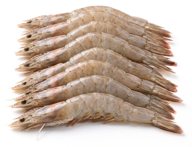 Prawn
Use the same weight, peeled. They are firmer and less briny; cook 2–3 minutes only, and add a little soy sauce or lemon to mimic oyster's sea taste.
 White fish fillet
Use the same weight, cut into chunks and add late so it does not flake apart. It is milder and less briny; add soy sauce or lemon and cook 3–5 minutes.


 Peanut oil
Use 1:1 by weight. Handles high-heat frying identically and introduces a very subtle, pleasant nuttiness.
 Ghee
Use 1:1 by weight. Yields a much richer, authentic aroma and a glossy, heavier mouthfeel.
 Mustard oil
Use 1:1 by weight. Heat until smoking, then cool slightly before cooking to temper its intensely pungent, sharp mustard kick.


 Grated desiccated coconut
Use equal weight directly; it is the identical ingredient under a different label.
 Fresh coconut
Grate finely and use 130% to 140% of the weight to compensate for higher moisture; toast gently in a dry pan over low heat if a dry texture is needed.
 Dried coconut
Grate finely using a microplane and use equal weight. Offers a slightly oilier, toastier coconut profile.


 Fresh ginger
Use equal weight; scrape off the skin and grate or finely julienne according to the recipe.
 Ginger paste
Use equal weight; stir straight into the sizzling aromatics, taking care as the extra moisture may spit.
- Ground ginger
Use 15 to 20% of the weight; add alongside ground spices, noting it imparts warm, dry heat rather than zesty freshness.


- Chilli powder
Use 10 to 15% of the weight (about 1/4 teaspoon per chilli); imparts dry pungent heat and reddens the dish without the grassy crunch.
 Dried red chilli
Use 1 dried pod per fresh green chilli; snap in half and temper in hot oil for a deeper, toastier heat.


 Coriander leaf
Use equal weight, chopped fresh and stirred in off the heat or used as garnish. Matches the citrus-herbal profile identically.
 Mint
Use 40% to 50% of the weight; chop finely and add at the very end. Adds fresh herbal brightness, but shifts the aroma toward cool menthol.


 Dried mint
Use about 30% of the weight of fresh mint. Rub between your palms to crush before stirring in; the flavour will be more intensely herbal and less bright.
- Coriander leaf
Use equal weight, finely chopped. Adds fresh citrusy green notes, but lacks the cooling menthol lift.


- Fresh coconut
Use the same weight, grated; firmer and drier, so add 1–2 tbsp water or coconut water.
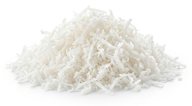 Grated fresh coconut
Use the same weight; drier, so add a little coconut water and taste.
- Desiccated coconut
Use 70% of the weight, soak in equal weight of warm water for 10 minutes; drier and sweeter.
Similar dishes
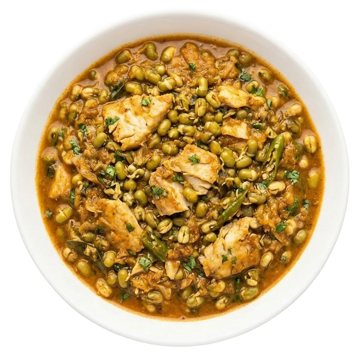
- Same: Mugatli Machhi shares with this dish a coastal seafood base, vegetable oil, chilli powder, cumin, coriander, turmeric, green chilli, coriander, mint, and salt.
- Different: Mugatli Machhi uses pomfret, moong sprouts, and lime juice, while this dish uses oysters, tender coconut flesh, desiccated coconut, ginger, and coconut vinegar; it is a simmered stew rather than oysters tossed in a green masala.

- Same: Oysters in Coconut Cream with Green Chilli Granita shares oysters, coconut, green chilli, coriander and salt with this dish.
- Different: Oysters in Coconut Cream with Green Chilli Granita is chilled and uses coconut cream, sugar, water, pickling liquor and cucumber, and it lacks this dish's turmeric, chilli powder, cumin, ground coriander, coconut vinegar, vegetable oil, desiccated coconut, ginger, mint and tender coconut flesh.
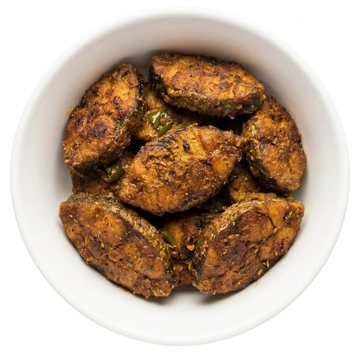
- Same: Taleli Gaboli shares a coastal seafood base cooked in vegetable oil using ginger, green chillies, turmeric, chilli powder, cumin, and coriander.
- Different: Instead of oysters tossed in desiccated coconut, Taleli Gaboli uses fish roe that is steamed and shallow-fried with garlic, garam masala, sugar, and lime juice.

- Same: Tikha Maslyatil Tali Macchi shares a seafood base seasoned with vegetable oil, green chillies, ginger, turmeric, chilli powder, cumin, and coriander.
- Different: Tikha Maslyatil Tali Macchi is a fried fish dish that adds garlic paste and lime juice while omitting the desiccated coconut used for this oyster masala.