Indian cooking
Indian cooking / Dishes / Pudina Rasam
Pudina Rasam (Mint Rasam)

Pudina Rasam

Mint Rasam
Vegetarian●●●Prep 40 minutesCook 15 minutes

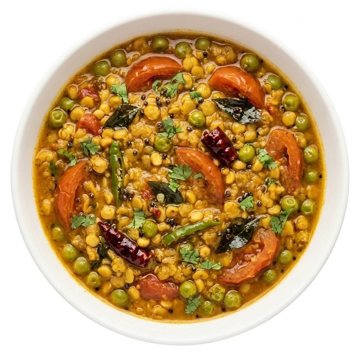
A light and soothing South Indian lentil broth infused with fresh mint, cracked black pepper, and tangy lime. It delivers a vibrant, peppery heat balanced by herbaceous and citrusy notes.

Dal spices

1.5 gAdded to the lentils before cooking (step 1)
01
1.5 g½ teaspoon
spice
Leave ready to add directly to the cooking water.

Paste spices

39 gBlended with the fresh herbs and chillies (step 2)
01
2.5 g1½ teaspoons
spice
02
1.6 g¾ teaspoon
spice
03
35 g4 tablespoons
spice
Leave whole; they will be ground with the aromatics.

Tempering spices

144 gBloomed in the hot ghee (step 5)
01
139 g14 tablespoons
spice
02
2.1 g1 teaspoon
spice
03
1.4 g½ teaspoon
spice
Keep whole to fry together in the hot fat.

Everything else

01
Pigeon peas · Toor Dalrinsed and drained
100 g
legume
02
~100 g1 bunch
herb
03
12 g2 chillies
vegetable
04
23 g1½ tablespoons
souring agent
05
to taste
salt
06
2 g2 tablespoons
herb
07
9 g2 teaspoons
oil/fat
08
~1 g1 sprig
herb

Method

  1. Combine 100 g toor dal, the dal spices, and 250 ml water in a pressure cooker and cook under pressure for 5 minutes, or simmer in a covered saucepan for about 25 minutes until completely tender.
  2. Place 100 g mint, 12 g green chilli, the paste spices, and 30 ml water into a blender and blitz until smooth.
  3. Transfer the cooked dal to a pot, pour in 500 ml water, and whisk thoroughly. Stir in the blended mint paste and season with salt to taste. Bring to a boil over high heat, adding a splash more water if the broth is too thick, then lower the heat and simmer for around 5 minutes until frothy.
  4. Take the pot off the heat and stir in 22.9 g lime juice.
  5. Melt 8.8 g ghee in a small pan set over medium heat. Add 1 g curry leaf along with the tempering spices and fry for about 1 minute until the mustard seeds begin to pop.
  6. Pour the hot spiced ghee into the rasam, stir through, and scatter 2 g coriander leaf over the top before serving hot.

Don't have something?

Toor dal
  • Red lentils

    Use equal weight. Cooks considerably faster and breaks down into a softer, creamier consistency with an earthier taste.

  • Chana dal

    Use equal weight. Requires longer soaking and cooking; remains firmer with a nuttier bite and less starchy thickening.

  • Split mung beans

    Use equal weight. Cooks quickly to a lighter, more delicate, and silky texture.

Ground turmeric
  • Ground ginger

    Use 50% of the weight. Mimics turmeric's warm, earthy, rhizome background, but provides none of the golden-yellow colour.

  • Saffron

    Steep a tiny pinch (0.1 g per 2 g turmeric) in 2 tbsp warm water; use to match the rich golden hue. Contributes an aristocratic, honeyed floral flavour rather than earthy bitterness.

Mint
  • Dried mint

    Use about 30% of the weight of fresh mint. Rub between your palms to crush before stirring in; the flavour will be more intensely herbal and less bright.

  • Coriander leaf

    Use equal weight, finely chopped. Adds fresh citrusy green notes, but lacks the cooling menthol lift.

Green chilli
  • Chilli powder

    Use 10 to 15% of the weight (about 1/4 teaspoon per chilli); imparts dry pungent heat and reddens the dish without the grassy crunch.

  • Dried red chilli

    Use 1 dried pod per fresh green chilli; snap in half and temper in hot oil for a deeper, toastier heat.

Coriander seeds
  • Ground coriander

    Use 75% of the weight; stir in along with wet masala or tomato purée rather than frying in hot oil, as the fine powder burns instantly.

  • Cumin seed

    Use 50% of the weight for tempering in hot oil. Lacks the floral, sweet citrus flavour of coriander, introducing warm, pungent earthiness instead.

  • Fennel seed

    Use 50% of the weight in tempering; provides pleasant aromatic sweetness, though noticeably aniseedy rather than citrusy.

Cumin seed
  • Ground cumin

    Use 70% of the weight; add with ground spices or sauce bases rather than hot oil tempering, where it scorches quickly and turns bitter.

  • Black cumin seeds

    Use equal weight for oil tempering. Delivers an earthy profile with an additional musky, smoky, and slightly bitter edge.

  • Fennel seed

    Use 60% of the weight for tempering; offers comparable warm aroma, but leans sweet and liquorice-like rather than savoury and earthy.

Black peppercorn
  • Coarsely ground black pepper

    Use 75% of the weight. Add midway through simmering; spreads heat evenly through the dish instead of delivering isolated bursts.

  • Ground black pepper

    Use 50% of the weight. Stir in near the end of cooking; significantly darkens light gravies and provides an immediate, sharp bite.

Lime juice
  • Lemon juice

    Use equal volume or weight; slightly sweeter and less pungent, but otherwise an imperceptible swap.

  • Dried mango powder

    Use 25% of the weight; imparts dry, fruity sourness, best stirred in right at the end of cooking.

  • Tamarind extract

    Use 50% of the weight; delivers pleasant fruity tang but turns pale sauces considerably darker.

Coriander leaf
  • Coriander

    Use equal weight finely chopped; this is the exact same fresh herb.

  • Mint

    Use half the weight finely chopped; provides vibrant green freshness, though the flavour profile becomes noticeably cooler and sharper.

Ghee
  • Unsalted butter

    Use 120% of the weight; melt gently over low heat to avoid burning the milk solids, which will yield a softer, creamier richness rather than a nutty aroma.

  • Vegetable oil

    Use 85% of the weight; holds high cooking temperatures without smoking, but the final dish will lack traditional dairy depth.

  • Mustard oil

    Use equal weight; heat to smoking point and cool slightly before cooking, bearing in mind it introduces an assertive, pungent edge.

Mustard seed
  • Black mustard seed

    Use the same weight. The seeds are smaller and hotter; fry in hot oil until they pop, about 20–30 seconds, and reduce the heat if they darken too fast. The dish will be a little sharper.

  • Yellow mustard seeds

    Use the same weight. They are milder and larger; fry a few seconds longer until they pop. The finished dish will have less pungency.

  • Ground mustard seed

    Use 70% of the weight of whole seed, added with the other ground spices rather than fried whole. You lose the popping texture and the heat comes through more evenly.


Asafoetida
  • Garlic powder

    Use double the weight. Stir into hot oil just before adding wet ingredients; mimics the allium savoury background without the sulphurous edge.

  • Garlic paste

    Use 2 g for every 0.5 g of asafoetida. Sauté in oil until the raw smell clears; adds moisture and sweet allium depth.

Dried red chilli
  • Dried kashmiri chilli

    Use equal weight whole. Fry in hot oil or ghee as tempered spice; gives a richer red colour with slightly milder heat.

  • Red chilli powder

    Use 50% to 70% of the weight. Stir into the oil with ground spices; distributes heat evenly throughout the dish without whole chilli skins.

Curry leaf
  • Bay leaf

    Fry 1 bay leaf for every 5 curry leaves in hot oil; imparts a warm, woodsy background note, but misses the citrus-sulphury punch entirely.

  • Lime juice

    Add a small squeeze (about 5 ml per sprig of curry leaves) right before serving; provides sharp citrus top notes without the toasty, herbal aroma.

Similar dishes

Masoor Pappu Charu
Spicy Pepper Water
Masoor Pappu Charu is sweeter from cooked onions and deeply tangy from tamarind, lacking the sharp citrus edge, fresh herbal mint flavor, and heavy black pepper heat of this dish.
  • Same: Both recipes are South Indian lentil broths tempered with ghee, mustard seeds, cumin, black pepper, and curry leaves.
  • Different: Masoor Pappu Charu uses masoor dal, a large quantity of onions, and tamarind extract, while it omits the fresh mint, green chillies, and lime juice found in this dish.
Kholamba
Spicy Pigeon Pea Curry from Mangalore
Kholamba is a thicker, deeply tart stew dominated by tamarind and fenugreek, rather than a light broth with sharp peppery heat and fresh, citrusy mint.
  • Same: Kholamba also uses toor dal as its base and shares seasonings like cumin, black pepper, coriander seeds, green chillies, curry leaves, and asafoetida.
  • Different: Kholamba incorporates tomatoes, green peas, tamarind extract, fenugreek, and roasted chana and urad dals cooked in vegetable oil, omitting this dish's fresh mint, lime juice, and ghee.
The Rasam
Tamil Nadu Piquant Soup
The Rasam is deeply tangy and garlicky from tamarind and cooked tomatoes, lacking the cooling, herbaceous punch and bright citrus notes of this dish.
  • Same: Both are South Indian toor dal broths seasoned with black peppercorns, cumin, and coriander seeds, finished with a tempering of mustard seeds, dried red chillies, curry leaves, and asafoetida.
  • Different: The Rasam uses tomatoes, tamarind extract, and garlic cooked in vegetable oil instead of this dish's fresh mint, lime juice, green chillies, and ghee.
Kathirikkai Rasam
Aubergine (Eggplant) Rasam
Kathirikkai Rasam tastes more savory, earthy, and richly tangy from the tamarind and aubergines, rather than intensely peppery, herbaceous, and citrusy like this dish.
  • Same: Kathirikkai Rasam shares a cooked toor dal base and a traditional tempering of mustard seeds, cumin, dried red chillies, asafoetida, and curry leaves with this dish.
  • Different: Kathirikkai Rasam simmers aubergines and tomatoes in tamarind extract with roasted coconut and fenugreek, whereas this dish uses fresh mint, green chillies, a large amount of black pepper, and lime juice.