
Khusk Pasande
Slow-roasted marinated meat steaks coated in a thick, nutty paste of poppy seeds, yogurt, and aromatic spices. The meat turns meltingly tender with a concentrated, savoury crust.
First marinade spice
0.3 gWhisked into the ginger-garlic mixture (step 1)Poppy seed spice
25 gToasted with chironji seeds in a dry pan (step 3)Everything else

Method
- Crush 200 g garlic and 24 g ginger into a fine paste. Scrape into a large bowl, whisk in 61.2 g lime juice, 8.7 g salt, and the first marinade spice, then thoroughly rub this paste across 2000 g meat. Cover and refrigerate for a minimum of 4 hours.
- Heat the oven to 200°C (400°F).
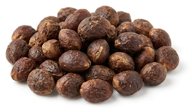
- Gently toast 150 g chironji seeds and the poppy seed spice in a dry skillet until fragrant. Grind to a fine meal in a spice mill, then stir into the marinated meat along with 517 g yogurt and 26.4 g ghee.
- Arrange the meat in a shallow baking tray and bake for 1½ hours. Lower the heat to 180°C (350°F) and continue roasting for another 1 hour, flipping the pieces once or twice, until the meat is thoroughly tender. Finish with garnish to taste before serving.
Don't have something?

 Garlic paste
Use equal weight. Fry gently in oil or ghee with the ginger; incorporates smoothly into curries without visible minced bits.
 Garlic powder
Use 15% to 20% of the weight (about 1 g for every 5 to 6 g fresh cloves). Whisk into sauces; gives a savoury, toasted garlic flavour without raw pungency.
 Shallot
Use 1.5 times the weight, very finely minced. Sauté until golden; provides savoury allium sweetness, though it lacks garlic's pungent sulphur bite.


 Fresh ginger
Use equal weight; scrape off the skin and grate or finely julienne according to the recipe.
 Ginger paste
Use equal weight; stir straight into the sizzling aromatics, taking care as the extra moisture may spit.
 Ground ginger
Use 15 to 20% of the weight; add alongside ground spices, noting it imparts warm, dry heat rather than zesty freshness.



 Lemon juice
Use equal volume or weight; slightly sweeter and less pungent, but otherwise an imperceptible swap.
 Dried mango powder
Use 25% of the weight; imparts dry, fruity sourness, best stirred in right at the end of cooking.
 Tamarind extract
Use 50% of the weight; delivers pleasant fruity tang but turns pale sauces considerably darker.


 Red chilli powder
Use 100% of the weight. Provides direct, sharp heat and red colour in equal measure.
 Kashmiri chilli powder
Use 150% to 200% of the weight if matching colour, but add a pinch of black pepper or hot chilli if you need equivalent fiery heat.
 Cayenne pepper
Use 75% to 100% of the weight. Offers a sharp, clean heat with slightly less earthy depth and less crimson colour.


 Lamb fillet
Use the same weight, sliced and beaten thin; it is tender and cooks in the same time.
 Boneless lamb
Use the same weight, cut across the grain and beat thin; simmer a little longer if it is from the shoulder.
 Chicken breast
Use the same weight, sliced and beaten thin; it cooks faster, so add it later and simmer for 8–10 minutes only.


 Almond
Use the same weight, soak and peel for a closer texture; slightly sweeter.
 Cashew nut
Use the same weight, soak 20 minutes; softer and creamier when ground.
 Pistachio
Use the same weight, blanch and peel; stronger and greener in flavour.


- Cashew nut
Use equal weight. Soak in warm water for 20 minutes and grind to a smooth paste; produces an even creamier, slightly richer gravy than poppy seeds.
 White sesame seed
Use equal weight. Soak and grind finely; provides similar thickening and body with a slightly nuttier, faintly bitter edge.
- Almond
Use equal weight. Blanch, peel, and grind finely with a splash of water; lends a velvety body and gentle sweetness to gravies.


 Plain yogurt
Use 100% of the weight. Whisk thoroughly until smooth before stirring into warm gravies to prevent curdling.
 Single cream
Use 90% of the weight combined with 10% lemon juice to replicate the lactic tang and rich body in marinades and curries.


 Unsalted butter
Use 120% of the weight; melt gently over low heat to avoid burning the milk solids, which will yield a softer, creamier richness rather than a nutty aroma.
 Vegetable oil
Use 85% of the weight; holds high cooking temperatures without smoking, but the final dish will lack traditional dairy depth.
 Mustard oil
Use equal weight; heat to smoking point and cool slightly before cooking, bearing in mind it introduces an assertive, pungent edge.


- Lemon wedge and onion ring
Use the same weight; lemon is sharper, so use a slightly smaller wedge if the dish is already sour.
 Lime wedge
Use the same weight of lime wedge and add a separate onion ring if you have it; keeps the citrus note.
 Onion ring
Use the same weight; only if lime is already covered; the garnish loses its sour lift.


Similar dishes

- Same: Pasande ki Seekh shares with this dish the use of pasanda, yogurt, poppy seeds, garlic, chilli powder, ghee, and lime-onion garnish, and both are dry, tender meat kebabs.
- Different: Unlike this dish, Pasande ki Seekh adds dried kachri, dried fig, onion, and garam masala, uses much less garlic and yogurt, skips ginger, lime juice, and chironji, and is charcoal-smoked on skewers instead of slow-roasted as steaks.

- Same: Both dishes feature red meat cooked with yogurt, ghee, garlic, ginger, and chilli powder.
- Different: Dahi ka Dungara Gosht is braised and charcoal-smoked using onions, coriander, mint, and green chillies with far more ghee, omitting this dish's poppy seeds and lime juice marinade.

- Same: Kachhe Keeme ki Tikya shares poppy seeds, chironji, ghee, yogurt, and ginger with this dish, and both are meat dishes cooked with a thick spiced coating or filling.
- Different: Kachhe Keeme ki Tikya uses minced lamb, raw papaya, chana dal, onion, garam masala, cinnamon, green chilli, and coriander leaf, while this dish uses whole pasanda steaks, a large amount of garlic and lime juice, and a poppy-seed-yogurt-chironji paste for slow roasting.

- Same: Kaleji ka Salan shares a rich base of yogurt seasoned with garlic, ginger, and chilli powder with this dish.
- Different: Kaleji ka Salan uses liver simmered into a gravy with onions and vegetable oil, whereas this dish slow-roasts meat steaks dry with poppy seeds, lime juice, and ghee.