Indian cooking
Indian cooking / Dishes / Mor Kozhambu
Mor Kozhambu (Buttermilk Curry)

Mor Kozhambu

Buttermilk Curry
Vegetarian●●●Origin Tamil NaduPrep 15–20 minutesCook 10–15 minutes

A comforting South Indian curry made from gently simmered, sour buttermilk thickened with rice flour and a fragrant coconut-chilli paste. It is tangy, rich, and finished with aromatic tempered mustard seeds.

Curry base spices

0.3 gWhisked into the buttermilk mixture (step 1)
01
~0.3 gpinch
spice
Keep as a ground powder: it goes straight into the liquid.

Spices for the paste

7 gFried in oil before blending (step 2)
01
5 g1 tablespoon
spice
02
~0.3 gpinch
spice
Leave whole; they will be toasted in the pan and ground later.

Tempering spices

3.3 gBloomed in hot oil at the end (step 4)
01
3.3 g1 teaspoon
spice
Keep whole for popping in the hot oil.

Everything else

01
Buttermilk · Chaas(slightly sour)
259 g250 ml
dairy
02
4.9 g½ tablespoon
flour
03
2.5–3.8 g10–15 leaves
herb
04
27 g2 tablespoons
oil/fat
05
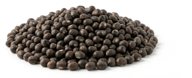
Black gram · Urad Dalrinsed and drained
4.3 g1 teaspoon
legume
06
18 g3 tablespoons
fruit
07
12 g2 chillies
vegetable
08
to taste
salt

Method

  1. In a wide saucepan, whisk together 250 g buttermilk, 0.5 tablespoon rice flour, 2.5–3.8 g curry leaf, salt to taste, and the curry base spices. Set aside.
  2. Warm roughly half of the 27 g vegetable oil in a frying pan over medium heat. Add 4.3 g urad dal along with the spices for the paste and stir-fry for roughly 1 minute until the seeds splutter and the dried chillies darken. Transfer the mixture to a blender, add 18 g fresh coconut and 12 g green chilli, and process with a splash of water until completely smooth.
  3. Whisk the blended paste thoroughly into the buttermilk mixture in the saucepan. Bring the liquid to a boil and cook over medium heat for 10 minutes.
  4. Warm the remaining vegetable oil in a small pan over medium heat. Add the tempering spices and sizzle for about 1 minute until the seeds begin to pop, then immediately pour the spiced oil over the curry.

Don't have something?

Buttermilk
  • Yogurt

    Whisk 1 part yogurt with 2 parts water (40 g yogurt plus 80 g water for 120 g buttermilk); a little thicker and more sour than true buttermilk, so loosen with extra water.

  • Full-fat natural yoghurt

    Same as yogurt: thin 1:2 with cold water and whisk until smooth; strain first if the dish needs a runny consistency.

  • Milk

    Stir 15 g lemon juice into 250 g milk, leave 10 minutes, then stir; thinner and only lightly sour, so add a squeeze more lemon.

Rice flour
  • Cornflour

    Use about 60–70% of the weight for thickening; for coatings use the same weight but the crust is denser.

  • Plain flour

    Use the same weight for coatings; contains gluten, browns faster and is less crisp.

  • Fine semolina

    Use the same weight for crisp coatings; coarser texture and needs a short rest.

Ground turmeric
  • Ground ginger

    Use 50% of the weight. Mimics turmeric's warm, earthy, rhizome background, but provides none of the golden-yellow colour.

  • Saffron

    Steep a tiny pinch (0.1 g per 2 g turmeric) in 2 tbsp warm water; use to match the rich golden hue. Contributes an aristocratic, honeyed floral flavour rather than earthy bitterness.

Curry leaf
  • Bay leaf

    Fry 1 bay leaf for every 5 curry leaves in hot oil; imparts a warm, woodsy background note, but misses the citrus-sulphury punch entirely.

  • Lime juice

    Add a small squeeze (about 5 ml per sprig of curry leaves) right before serving; provides sharp citrus top notes without the toasty, herbal aroma.

Vegetable oil
  • Peanut oil

    Use 1:1 by weight. Handles high-heat frying identically and introduces a very subtle, pleasant nuttiness.

  • Ghee

    Use 1:1 by weight. Yields a much richer, authentic aroma and a glossy, heavier mouthfeel.

  • Mustard oil

    Use 1:1 by weight. Heat until smoking, then cool slightly before cooking to temper its intensely pungent, sharp mustard kick.

Coriander seeds
  • Ground coriander

    Use 75% of the weight; stir in along with wet masala or tomato purée rather than frying in hot oil, as the fine powder burns instantly.

  • Cumin seed

    Use 50% of the weight for tempering in hot oil. Lacks the floral, sweet citrus flavour of coriander, introducing warm, pungent earthiness instead.

  • Fennel seed

    Use 50% of the weight in tempering; provides pleasant aromatic sweetness, though noticeably aniseedy rather than citrusy.

Urad dal
  • Whole black gram

    Use equal weight. Needs longer soaking and cooking; the dark skins impart an earthy flavour and greyish-black hue unless thoroughly rubbed off.

  • Chana dal

    Use equal weight when tempering (tadka). Provides a comparable nutty, crunchy texture in hot oil, though grains are slightly larger.

  • Split mung beans

    Use equal weight for batters or dals. Ferments and cooks faster, producing a lighter, less sticky, and less viscous consistency.

Asafoetida
  • Garlic powder

    Use double the weight. Stir into hot oil just before adding wet ingredients; mimics the allium savoury background without the sulphurous edge.

  • Garlic paste

    Use 2 g for every 0.5 g of asafoetida. Sauté in oil until the raw smell clears; adds moisture and sweet allium depth.

Dried red chilli
  • Dried kashmiri chilli

    Use equal weight whole. Fry in hot oil or ghee as tempered spice; gives a richer red colour with slightly milder heat.

  • Red chilli powder

    Use 50% to 70% of the weight. Stir into the oil with ground spices; distributes heat evenly throughout the dish without whole chilli skins.

Fresh coconut
  • Desiccated coconut

    Use 50% to 60% of the weight, soaked in equal parts warm water for 15 minutes before grinding. Works well for chutneys, though texture is slightly finer and sweeter.

  • Coconut milk

    Use 1.2 times the weight in curries. Adds creamy richness and authentic flavour, but makes gravies smoother and eliminates the grated, chewy mouthfeel.

Green chilli
  • Chilli powder

    Use 10 to 15% of the weight (about 1/4 teaspoon per chilli); imparts dry pungent heat and reddens the dish without the grassy crunch.

  • Dried red chilli

    Use 1 dried pod per fresh green chilli; snap in half and temper in hot oil for a deeper, toastier heat.

Mustard seed
  • Black mustard seed

    Use the same weight. The seeds are smaller and hotter; fry in hot oil until they pop, about 20–30 seconds, and reduce the heat if they darken too fast. The dish will be a little sharper.

  • Yellow mustard seeds

    Use the same weight. They are milder and larger; fry a few seconds longer until they pop. The finished dish will have less pungency.

  • Ground mustard seed

    Use 70% of the weight of whole seed, added with the other ground spices rather than fried whole. You lose the popping texture and the heat comes through more evenly.


Similar dishes

Kathirakkai Poriyal
Curried Aubergines (Eggplant)
Kathirakkai Poriyal is savory and earthy with a sharp tamarind tang, lacking the creamy dairy richness and fresh chilli heat of this dish.
  • Same: Kathirakkai Poriyal shares a South Indian spice base of mustard seeds, urad dal, coriander seeds, dried red chillies, asafoetida, turmeric, and curry leaves tempered in vegetable oil with this dish.
  • Different: Instead of this dish's simmered buttermilk and coconut gravy with green chillies, Kathirakkai Poriyal is a dry stir-fry made with aubergines, onions, and tamarind extract.
Chintapandu Koythamira Chutney
Tamarind & Coriander (Cilantro) Chutney
Chintapandu Koythamira Chutney tastes much more intensely tart, fiery, and sweet from tamarind, extra green chillies, and jaggery, rather than creamy, mild, and gently sour like this dish.
  • Same: Chintapandu Koythamira Chutney shares a tempering foundation of vegetable oil, mustard seeds, curry leaves, asafoetida, turmeric, coriander seeds, and both green and dried red chillies with this dish.
  • Different: Instead of a simmered curry base made with buttermilk, fresh coconut, and urad dal, Chintapandu Koythamira Chutney is a condiment built on tamarind extract and cumin seeds, cooked with significantly more oil and sweetened with jaggery.
Kurkure Karele
Fried Bitter Gourd
Kurkure Karele is crisp with a sweet, sour, and bitter profile, contrasting with the creamy, mildly spiced, and dairy-tangy taste of this dish.
  • Same: Kurkure Karele shares a vegetable oil tempering of mustard seeds, urad dal, dried red chillies, curry leaves, asafoetida, and turmeric with this dish.
  • Different: Kurkure Karele is a dry, pan-fried bitter gourd stir-fry cooked with tamarind extract and jaggery, whereas this dish is a simmered buttermilk curry thickened with coconut, green chillies, and coriander seeds.
Gutti Vengkayya
Stuffed Aubergines (Eggplant) from Andhra
Gutti Vengkayya tastes deeper, earthier, and savoury with sharp tamarind acidity, whereas this dish is mild, creamy, and gently tangy from buttermilk.
  • Same: Gutti Vengkayya shares a tempering of mustard seeds, urad dal, curry leaves, and dried red chillies with this dish, as well as ground turmeric and coriander seeds.
  • Different: Instead of simmering buttermilk and fresh coconut, Gutti Vengkayya slow-cooks whole stuffed aubergines using tamarind extract, chana dal, cumin, and sliced onions in significantly more vegetable oil.