
Mirch ka Chaap
Tender lamb cutlets coated in a punchy tamarind and chilli marinade, crusted with sesame seeds, and charred over high heat.
Coorgi-style masala powder
1.6 gGround before assembling the marinade (step 1)Marinade spices and aromatics
71 gStirred into the marinade paste (step 2)Sesame seed coating
9 gCrusting the cutlets before cooking (step 4)Everything else

Method
- Process the Coorgi-style masala powder in a spice grinder until finely ground.
- In a bowl, combine the ground Coorgi-style masala powder, the marinade spices and aromatics, 1.5 tablespoon vinegar, 1 teaspoon tamarind paste, 2–2.5 g curry leaf, and salt to taste to form a thick marinade.
- Place 8 lamb cutlets in a wide, non-metallic dish, rub the marinade thoroughly over both sides of the meat, then cover and chill for 30 minutes or overnight.
- Spread the sesame seed coating over a flat plate and press each marinated cutlet firmly into the seeds until evenly covered.
- Preheat a barbecue grill or domestic broiler to medium-hot, then cook the cutlets for 3 to 4 minutes per side until done to your liking; alternatively, brown them in an ovenproof frying pan over high heat, then roast at 200°C (400°F) for 5 to 7 minutes.
- Drizzle the juice of 0.5 lime over the hot lamb cutlets and serve.
Don't have something?


 Lamb chop
Use the same weight; bone-in chops need 5–10 minutes longer than cutlets.
 Lamb fillet
Use the same weight; lean and tender, so cook briefly and gently to avoid dryness.
 Lamb shoulder
Use the same weight; slice into cutlet-like pieces and simmer 10 minutes longer.


 Red chilli powder
Use 100% of the weight. Provides direct, sharp heat and red colour in equal measure.
 Kashmiri chilli powder
Use 150% to 200% of the weight if matching colour, but add a pinch of black pepper or hot chilli if you need equivalent fiery heat.
 Cayenne pepper
Use 75% to 100% of the weight. Offers a sharp, clean heat with slightly less earthy depth and less crimson colour.


 Ground ginger
Use 50% of the weight. Mimics turmeric's warm, earthy, rhizome background, but provides none of the golden-yellow colour.
 Saffron
Steep a tiny pinch (0.1 g per 2 g turmeric) in 2 tbsp warm water; use to match the rich golden hue. Contributes an aristocratic, honeyed floral flavour rather than earthy bitterness.



 Coriander seeds
Dry-roast lightly in a pan and grind to a fine powder; use equal weight (1:1). Offers a noticeably fresher, brighter citrus note.
 Ground cumin
Use 50% to 75% of the weight. Lacks the floral, citrusy profile of coriander and turns the gravy heavier, earthier, and darker.
 Garam masala
Use 50% of the weight and stir in near the end of cooking. Adds warmth and depth since it contains ground coriander, but introduces stronger spices like clove and cinnamon.


 Bay leaf
Fry 1 bay leaf for every 5 curry leaves in hot oil; imparts a warm, woodsy background note, but misses the citrus-sulphury punch entirely.
 Lime juice
Add a small squeeze (about 5 ml per sprig of curry leaves) right before serving; provides sharp citrus top notes without the toasty, herbal aroma.


 White vinegar
Use 100% of the weight directly. It delivers an identical sharp, clean acidity to curries and marinades.
 Lemon juice
Use 100% of the weight. Add towards the end of cooking off the heat; introduces a fruity citrus aroma rather than pungent acetic sharpness.
 Tamarind extract
Use 75% of the weight diluted in a splash of warm water. Gives a rich, fruity sourness and darkens the gravy.


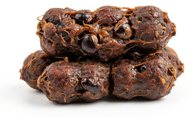 Tamarind pulp
Use 120–150% of the weight and strain; pulp is less concentrated, so simmer a little longer to thicken.
- Tamarind extract
Use 150–200% of the weight and reduce gently; extract is already diluted.
- Lime juice
Use 60–70% of the weight with a pinch of jaggery; sharper, so add near the end off the heat.


 Fresh ginger
Use equal weight; peel and grate very finely on a microplane or pound to a fine paste in a mortar.
 Ginger
Use equal weight; mince finely and crush with the flat of a knife before frying.
- Ground ginger
Use 20% of the weight; add directly with the dry spice powders, though it yields an earthier, less pungent profile.


 Garlic
Use equal weight; crush or finely grate to a smooth pulp to replicate the same fresh, pungent moisture in your base gravy.
 Garlic powder
Use 20 to 25% of the weight; mix with a teaspoon of water before adding to oil so it does not burn, noting it lacks the fresh bite.


 Sesame seeds
Use 100% of the weight. Toast lightly in a dry pan until fragrant; works identically in gravies, spice blends, and tadkas.
 Poppy seed
Use 80% of the weight, soaked in hot water and ground to a paste. Perfect for thickening kormas and royal gravies without altering the pale colour.
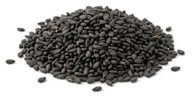 Black sesame seeds
Use 100% of the weight. It has an earthier, slightly more bitter flavour and will dramatically darken the dish.


- Lemon juice
Use equal volume or weight; slightly sweeter and less pungent, but otherwise an imperceptible swap.
 Dried mango powder
Use 25% of the weight; imparts dry, fruity sourness, best stirred in right at the end of cooking.
- Tamarind extract
Use 50% of the weight; delivers pleasant fruity tang but turns pale sauces considerably darker.


 Green cardamom seed
Use 35 to 40% of the total pod weight; lightly bruise the seeds before frying in oil to release their essential oils.
 Ground green cardamom
Use 20 to 25% of the pod weight (about 1 generous pinch per pod); stir in toward the end of cooking so the delicate floral notes do not dissipate.
 White cardamom pod
Use 1:1 by pod count or weight; crack gently before using, though it is slightly less intensely floral.


 Ground cloves
Use 1 g ground for 4 g whole (or 1 small pinch per 2 to 3 whole cloves). Add with spice powders; disperses intense warmth quickly, so use with restraint.
 Allspice berries
Use 100% of the weight whole in tempering. Imparts a warm, clove-like aromatic profile combined with hints of nutmeg and cinnamon.
 Black cardamom pod
Use 1 pod for 3 to 4 cloves in whole tempering. Shares a camphor-like warmth and medicinal depth, though it introduces a distinct smoky undertone.


 Cinnamon stick
Use a 2 cm piece (about 1 g) for every 1 to 2 bay leaves. Fry in whole-spice temperings; provides the cassia-like warmth typical of Indian tejpatta.
 Ground cinnamon (cassia)
Use 0.5 g per leaf. Stir into the sauce during simmering; gives the same warm woodiness but darkens the colour slightly.


 Aniseed
Use equal weight or 1 g lightly crushed aniseed per whole star anise star. Delivers the same sweet liquorice profile, though slightly less woody.
 Fennel seed
Use equal weight, bruised in a mortar. Lends a gentler, sweeter liquorice note to gravies and biryanis.

Similar dishes

- Same: Both dishes feature lamb seasoned with chilli powder, ground coriander, turmeric, ginger, garlic, cloves, and bay leaf.
- Different: Bhuna Gosht (II) is slow-cooked into a thick gravy using vegetable oil, onions, cumin, black cardamom, and cinnamon stick, omitting this dish's charred cutlet format, sesame crust, curry leaves, star anise, vinegar, and lime juice.

- Same: Gol Maas Kaachar also features lamb seasoned with chilli powder, ginger, garlic, green cardamom, clove, and bay leaf.
- Different: Instead of charring sesame-crusted cutlets using vinegar, lime juice, and star anise, it is a wet curry braised in mustard oil with onions, tomatoes, yogurt, cinnamon, and kachri melon.

- Same: Masaledar Mutton shares lamb, chilli powder, turmeric, ground coriander, ginger paste, garlic paste and bay leaf with this dish.
- Different: Masaledar Mutton uses ghee, vegetable oil, onion, tomato, garam masala, cumin and green chilli and is slow-cooked as a thick curry, while this dish uses lamb cutlets, tamarind, vinegar, lime juice, sesame seeds, curry leaf, cardamom, clove and star anise and is marinated and charred.

- Same: Both dishes use lamb seasoned with chilli powder, turmeric, ground coriander, ginger, garlic, cloves, and green cardamom.
- Different: Kundan Kaliya braises the lamb into a gravy made with ghee, onions, cream, milk, saffron, and cinnamon, instead of charring cutlets coated in sesame seeds, curry leaves, vinegar, and lime juice.