
Lucknowi Khatte Aloo
Potatoes cooked with a cumin and asafoetida tempering, ground chilli and turmeric, then finished with tangy anardana, sugar and coriander. The result is savoury, tart and gently hot.
Tempering spices
7 gAdded to the hot oil at the start (step 1)Ground spices for the potatoes
2.9 gStirred into the potatoes before cooking (step 3)Anardana finishing spice
16 gStirred in at the end with the sugar and coriander (step 6)Everything else


Method
- Heat 40.5 g vegetable oil in a wok or kadhai over medium heat. Add the tempering spices (2.8 g asafoetida, then 4.2 g cumin seed) and let them sizzle for about 12 seconds, stirring after the cumin goes in.
- Add 10 g ginger matchsticks and 2 g finely chopped green bird’s eye chilli; stir for 8–10 seconds.
- Add 750 g peeled new potatoes and the ground spices for the potatoes (2.6 g kashmiri chilli powder and 0.3 g ground turmeric). Stir until the potatoes are coated.
- Season with salt to taste and pour in half of the 199 g water.
- Cover and cook over medium heat for 18–20 minutes, stirring once halfway, until the potatoes are tender and the liquid is mostly absorbed.
- Lower the heat. Stir in the anardana finishing spice (18 g anardana powder), 4.2 g granulated sugar, the remaining water and 30 g roughly chopped coriander leaf. Simmer for 3–4 minutes.
Don't have something?


 Peanut oil
Use 1:1 by weight. Handles high-heat frying identically and introduces a very subtle, pleasant nuttiness.
 Ghee
Use 1:1 by weight. Yields a much richer, authentic aroma and a glossy, heavier mouthfeel.
 Mustard oil
Use 1:1 by weight. Heat until smoking, then cool slightly before cooking to temper its intensely pungent, sharp mustard kick.


 Garlic powder
Use double the weight. Stir into hot oil just before adding wet ingredients; mimics the allium savoury background without the sulphurous edge.
 Garlic paste
Use 2 g for every 0.5 g of asafoetida. Sauté in oil until the raw smell clears; adds moisture and sweet allium depth.


 Ground cumin
Use 70% of the weight; add with ground spices or sauce bases rather than hot oil tempering, where it scorches quickly and turns bitter.
 Black cumin seeds
Use equal weight for oil tempering. Delivers an earthy profile with an additional musky, smoky, and slightly bitter edge.
 Fennel seed
Use 60% of the weight for tempering; offers comparable warm aroma, but leans sweet and liquorice-like rather than savoury and earthy.


 Ginger paste
Use equal weight. Sauté in hot fat until the raw allium smell disappears; slightly wetter, but provides identical warmth and pungency.
 Ground ginger
Use 20% to 25% of the weight (1 g for every 4 to 5 g fresh). Stir into the gravy; adds peppery heat and warmth, though it misses the crisp, zesty kick of raw root.


- Bird's eye green chilli
Use the same weight; heat and flavour are very close.
 Green chilli
Use 1.5 to 2 times the weight; deseed for less heat. Larger chillies are more watery.
 Fresh green chilli
Use 1.5 to 2 times the weight; chop finely and adjust heat by tasting.


 Baby potatoes
Use the same weight. Scrub and leave whole or halve if large; they cook in about the same time and give a similar waxy bite.
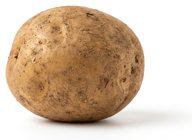 Small potato
Use the same weight. Peel only if the recipe needs it; cut to the size of new potatoes so they cook evenly. The flesh is slightly more floury.
 Potato
Use the same weight, cut into even walnut-sized pieces. It may break down a little more in long cooking, thickening the gravy.


 Dried kashmiri chilli
Grind deseeded dried pods to an equal weight of powder; gives identical vivid red colour and gentle warmth.
 Red chilli powder
Use 25% of the weight mixed with sweet paprika for colour; straight red chilli powder is substantially hotter and will make the dish fiery.
 Chilli powder
Use one-third of the weight; the sauce will be less intensely red and notably sharper in heat.


- Ground ginger
Use 50% of the weight. Mimics turmeric's warm, earthy, rhizome background, but provides none of the golden-yellow colour.
 Saffron
Steep a tiny pinch (0.1 g per 2 g turmeric) in 2 tbsp warm water; use to match the rich golden hue. Contributes an aristocratic, honeyed floral flavour rather than earthy bitterness.


 Stock
Use the same weight in savoury dishes; it adds body, so adjust salt.
 Milk
Use the same weight only in doughs or creamy dishes; it makes the result richer.
 Coconut water
Use the same weight in curries or rice; it adds sweetness and a faint coconut taste.


 Dried pomegranate seeds
Use the same weight, grind fresh. Same fruity sourness; grind finely so it disperses.
 Ground pomegranate seed
Use the same weight. Same ingredient; check for grit and add with the spices.
 Dried mango powder
Use about 80% of the weight, then adjust. Sour but less fruity and less dark in colour.


 Jaggery
Use equal weight; grate or shave finely so it dissolves rapidly, giving a warm, caramel-like sweetness and slightly darker sauce.


Similar dishes

- Same: Bedmi Aloo shares with this dish new potatoes, cumin seed, asafoetida, Kashmiri chilli powder, green bird's-eye chilli, ginger, a little sugar and coriander.
- Different: Bedmi Aloo uses ghee instead of vegetable oil, adds tomato purée and ground coriander, sours with dried mango powder instead of anardana, and has much more water and turmeric, so it cooks as a turmeric gravy rather than a finished potato dish.

- Same: Heeng Jeere ke Aloo shares new potatoes, cumin, asafoetida, ginger, green chilli, chilli powder, turmeric, pomegranate souring and salt with this dish.
- Different: Heeng Jeere ke Aloo uses ghee instead of vegetable oil, ground dried pomegranate seed instead of anardana powder, more green chilli and less ginger, and lacks sugar, coriander leaf and added water, so it is a dry curry.

- Same: Bengali Aloo Posto shares new potatoes, green bird’s eye chilli, turmeric, granulated sugar, water and salt with this dish.
- Different: Bengali Aloo Posto uses white poppy seeds, nigella seeds and mustard oil or vegetable oil, and it lacks asafoetida, cumin seed, ginger, Kashmiri chilli powder, anardana powder and coriander leaf.

- Same: Maharashtrian Batatachi Bhaaji shares with this dish potatoes, vegetable oil, cumin seed, asafoetida, green bird’s-eye chilli, turmeric, sugar, salt and coriander.
- Different: Maharashtrian Batatachi Bhaaji uses boiled crushed floury potatoes, garlic, curry leaves and lemon, while this dish uses new potatoes cooked with water, ginger, Kashmiri chilli powder and anardana powder.