Indian cooking
Indian cooking / Dishes / Kumro Chenchki
Kumro Chenchki (Bengali Five-Spice Squash)

Kumro Chenchki

Bengali Five-Spice Squash
VegetarianOrigin Bengali

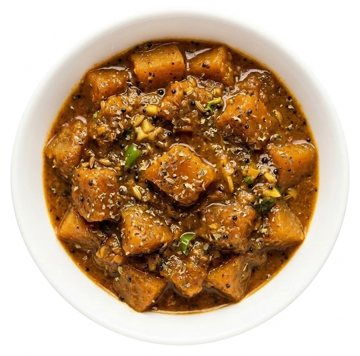
A Bengali-style squash dish scented with panch phoron and warm ground spices, with jaggery adding a gentle sweetness. The squash cooks until tender but still holds its shape.

Whole spices for the oil

8 gAdded to the hot oil in step 2
01
5 g2 teaspoons
spice blend
02
3 g2 chillies
spice
Keep whole; add them together to the hot oil.

Ground spices for the sauce

11 gStirred in after the squash in step 5
01
4.5 g1½ teaspoons
spice
03
3.6 g2 teaspoons
spice
Keep ground; stir them together before adding.

Everything else

01
40 g3 tablespoons
oil/fat
02
Fresh ginger · Adrakcrushed to a paste
20 g5 cm
aromatic
03
Squash or pumpkin · Kaddupeeled and cut into bite-sized chunks
850 g
vegetable
04
9 g2 teaspoons
sweetener
05
to taste
salt
06
99 g100 ml
liquid
07
Coriander · Dhaniachopped, to garnish
to taste
herb

Method

  1. Heat 40.5 g vegetable oil in a wok or kadhai over medium heat.
  2. Add the whole spices for the oil (5 g panch phoron and 4 g dried mild red chilli) and cook for a few seconds until they crackle.
  3. Add 10 g ginger root paste and fry for 1 minute, stirring constantly.
  4. Add 850 g squash or pumpkin chunks and stir for 2–3 minutes.
  5. Stir in the ground spices for the sauce (4.5 g ground turmeric, 2.6 g kashmiri chilli powder and 3.6 g ground coriander), 9 g brown sugar or jaggery and salt to taste.
  6. Pour in 99.4 g water and bring to a simmer.
  7. Lower the heat to low, cover and cook for 6 minutes.
  8. Uncover, stir, add a splash more water if needed, cover and cook for 10–12 minutes more, until the squash is cooked through but still holds its shape.
  9. Garnish with chopped coriander to taste.

Don't have something?

Vegetable oil
  • Peanut oil

    Use 1:1 by weight. Handles high-heat frying identically and introduces a very subtle, pleasant nuttiness.

  • Ghee

    Use 1:1 by weight. Yields a much richer, authentic aroma and a glossy, heavier mouthfeel.

  • Mustard oil

    Use 1:1 by weight. Heat until smoking, then cool slightly before cooking to temper its intensely pungent, sharp mustard kick.

Panch phoron
  • Ground Bengali five-spice mix

    Use 70% of the weight, added with the ground spices rather than tempered whole. You lose the whole-seed crackle but keep the five-spice aroma.

  • Cumin seed or black cumin seed

    Use about 40% of the weight, with equal amounts of fennel seed and nigella seeds if you have them. It is not a true blend; the result is cumin-forward and less complex.

  • Fennel seed

    Use about 30% of the weight with cumin and mustard seed to approximate the blend. It adds sweetness but misses fenugreek's bitterness and nigella's onion note.

Mild dried red chilli
  • Dried kashmiri chilli

    Use the same weight; similar mild heat and good colour. Remove seeds if you want it milder.

  • Kashmiri red chilli powder

    Use half the weight of whole chilli (1 g powder for 2 g whole); add to hot oil briefly so it does not burn.

  • Paprika

    Use the same weight; sweeter and milder, good for colour. Add a pinch of cayenne pepper if you need heat.

Fresh ginger
  • Ginger paste

    Use equal weight. Sauté in hot fat until the raw allium smell disappears; slightly wetter, but provides identical warmth and pungency.

  • Ground ginger

    Use 20% to 25% of the weight (1 g for every 4 to 5 g fresh). Stir into the gravy; adds peppery heat and warmth, though it misses the crisp, zesty kick of raw root.

Squash or pumpkin
  • Pumpkin

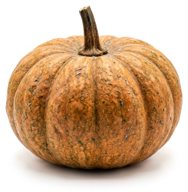
    Use the same weight; peel and cut into even pieces, as cooking time varies with the variety.

  • Pumpkin or butternut squash

    Use the same weight; butternut is sweeter and firmer, so it may need a few extra minutes.

  • Ash gourd

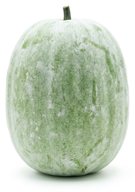
    Use the same weight; it is much wetter, so drain well or reduce other liquid in the dish.

Ground turmeric
  • Ground ginger

    Use 50% of the weight. Mimics turmeric's warm, earthy, rhizome background, but provides none of the golden-yellow colour.

  • Saffron

    Steep a tiny pinch (0.1 g per 2 g turmeric) in 2 tbsp warm water; use to match the rich golden hue. Contributes an aristocratic, honeyed floral flavour rather than earthy bitterness.

Kashmiri chilli powder
  • Dried kashmiri chilli

    Grind deseeded dried pods to an equal weight of powder; gives identical vivid red colour and gentle warmth.

  • Red chilli powder

    Use 25% of the weight mixed with sweet paprika for colour; straight red chilli powder is substantially hotter and will make the dish fiery.

  • Chilli powder

    Use one-third of the weight; the sauce will be less intensely red and notably sharper in heat.

Ground coriander
  • Coriander seeds

    Dry-roast lightly in a pan and grind to a fine powder; use equal weight (1:1). Offers a noticeably fresher, brighter citrus note.

  • Ground cumin

    Use 50% to 75% of the weight. Lacks the floral, citrusy profile of coriander and turns the gravy heavier, earthier, and darker.

  • Garam masala

    Use 50% of the weight and stir in near the end of cooking. Adds warmth and depth since it contains ground coriander, but introduces stronger spices like clove and cinnamon.


Brown sugar or jaggery
  • Jaggery or brown sugar

    Use the same weight; jaggery is stronger and more mineral, so taste before adding more.

  • Soft brown sugar

    Use the same weight; it is milder and moister, with a lighter molasses note.

  • Demerara sugar

    Use the same weight; it is drier and milder, so dissolve it fully and adjust sweetness.

Water
  • Stock

    Use the same weight in savoury dishes; it adds body, so adjust salt.

  • Milk

    Use the same weight only in doughs or creamy dishes; it makes the result richer.

  • Coconut water

    Use the same weight in curries or rice; it adds sweetness and a faint coconut taste.

Coriander
  • Coriander leaf

    Use equal weight, chopped fresh and stirred in off the heat or used as garnish. Matches the citrus-herbal profile identically.

  • Mint

    Use 40% to 50% of the weight; chop finely and add at the very end. Adds fresh herbal brightness, but shifts the aroma toward cool menthol.

Similar dishes

Pumpkin Pickle
It tastes sweet-sour and chilli-hot, while this dish is lightly sweet, aromatic and gently spicy.
  • Same: It shares vegetable oil, pumpkin, turmeric, Kashmiri chilli powder, dried chillies and jaggery or sugar with this dish.
  • Different: It uses onion seeds and white vinegar as the souring agent and has no panch phoron, ginger, ground coriander or added water; it also uses 1500 g pumpkin and 91.3 g oil versus 850 g squash and 40.5 g oil in this dish.
Pahadi Khatta Meetha Kaddu
Pumpkin Curry with Mustard Seeds, Asafoetida and Jaggery
Pahadi Khatta Meetha Kaddu tastes sweet-sour and glossy with mustard-fennel and asafoetida aroma, while this dish is lightly sweet, aromatic and gently spicy from panch phoron.
  • Same: Pahadi Khatta Meetha Kaddu shares pumpkin or squash, ginger, turmeric, Kashmiri chilli powder, ground coriander, brown sugar, salt, water and vegetable oil with this dish.
  • Different: Pahadi Khatta Meetha Kaddu uses a black mustard seed and fennel tempering with asafoetida, green bird’s eye chilli, dried mango powder and dried fenugreek leaf, while this dish uses panch phoron and dried mild red chilli and has no souring agent.
Pumpkin Chutney
Pumpkin Chutney tastes sweet, earthy and lightly spicy, while this dish is lightly sweet, aromatic and gently spicy.
  • Same: Pumpkin Chutney shares pumpkin, vegetable oil, turmeric, Kashmiri chilli powder, dried chilli and salt with this dish.
  • Different: Pumpkin Chutney is a smooth roasted chutney with black mustard seed, cumin seed and curry leaf, while this dish is a panch phoron and ginger squash preparation with ground coriander, jaggery and water.
Kumhare ki Subzi
Dry Spicy Pumpkin
Kumhare ki Subzi tastes more tangy from amchoor and hotter from green chilli, with less panch phoron and ginger aroma than this dish.
  • Same: Kumhare ki Subzi shares vegetable oil, ground turmeric, ground coriander, chilli powder, pumpkin or squash, sugar, salt and coriander with this dish, and both are cooked as dry-ish vegetable dishes.
  • Different: Kumhare ki Subzi uses fenugreek seed, cumin seed, amchoor and green chilli, while this dish uses panch phoron, ginger, dried mild red chilli and jaggery, and it adds water and is mashed rather than left in pieces.