
Pumpkin Pickle
A sweet-sour, chilli-hot pumpkin pickle, with whole onion seeds and dried chillies perfuming the oil. It keeps for a few weeks in a clean jar.
Whole spices for the oil
12 gAdded to the hot oil at the start (step 2)Ground spices for the pumpkin
11 gStirred into the pumpkin after it has softened (step 4)Everything else
Method
- Warm 91.3 g vegetable oil in a heavy pan over a medium flame.
- Add the whole spices for the oil (7 g onion seed and 6 g dried kashmiri chilli) and let them sizzle in the oil.
- Add 1500 g pumpkin and cook gently for 10–15 minutes, until it is just tender.
- Stir in the ground spices for the pumpkin (7.8 g kashmiri chilli powder and 3 g ground turmeric) and cook for 2 minutes.
- Add 203 g white distilled vinegar and 100 g jaggery or caster sugar and stir.
- Cook for about 5 minutes, until the vinegar has cooked away.
- Take off the heat and leave to cool.
- Pack into a clean jar and keep for up to 2–3 weeks.
Don't have something?


 Peanut oil
Use 1:1 by weight. Handles high-heat frying identically and introduces a very subtle, pleasant nuttiness.
 Ghee
Use 1:1 by weight. Yields a much richer, authentic aroma and a glossy, heavier mouthfeel.
 Mustard oil
Use 1:1 by weight. Heat until smoking, then cool slightly before cooking to temper its intensely pungent, sharp mustard kick.


 Black cumin seeds
Use equal weight. Imparts an earthy, slightly bitter note in temperings, though it lacks nigella's oniony sharpness.
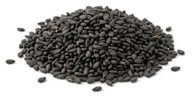 Black sesame seeds
Use equal weight. Gives a similar speckled appearance and light crunch on breads, but provides a nutty rather than herbaceous, onion-like flavour.


 Kashmiri chilli powder
Use 1 g powder for every 1.5 g whole dried chilli; whisk with a spoonful of warm water and stir into the masala to provide identical ruby colour and mild heat.
 Dried red chilli
Use 35% to 40% of the weight; discard seeds before tearing into oil to temper. Delivers a much fiercer heat, with significantly less red colouring.

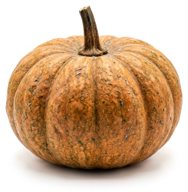
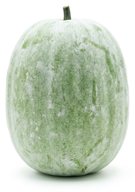 Ash gourd
Use the same weight; peel and cube. Firmer and less sweet, so cook 5–10 minutes longer and taste for sugar.
 Sweet potato
Use the same weight; peel and cube. Sweeter and starchier; reduce added sugar and cook until just tender.
 Courgette
Use the same weight; cut larger chunks. Watery and soft, so cook 5 minutes less and reduce liquid.


- Dried kashmiri chilli
Grind deseeded dried pods to an equal weight of powder; gives identical vivid red colour and gentle warmth.
 Red chilli powder
Use 25% of the weight mixed with sweet paprika for colour; straight red chilli powder is substantially hotter and will make the dish fiery.
 Chilli powder
Use one-third of the weight; the sauce will be less intensely red and notably sharper in heat.


 Ground ginger
Use 50% of the weight. Mimics turmeric's warm, earthy, rhizome background, but provides none of the golden-yellow colour.
 Saffron
Steep a tiny pinch (0.1 g per 2 g turmeric) in 2 tbsp warm water; use to match the rich golden hue. Contributes an aristocratic, honeyed floral flavour rather than earthy bitterness.


 White malt vinegar
Use 100% of the weight. Imparts a very similar clean acidity with a faintly softer, grain-based finish.
 Vinegar
Use 100% of the weight as a direct 1:1 replacement.
 Lime juice
Use 100% of the weight. Stir into the sauce at the end of cooking; adds vibrant fruity acidity rather than acetic punch.


 Light brown soft sugar
Use the same weight. It has mild molasses and is close to caster sugar with a little colour; taste and adjust.
- Dark brown sugar
Use 90% of the weight. It has stronger molasses, which suits dishes where jaggery was intended; dissolve fully.
 Honey
Use 75% of the weight. Reduce other liquid by about 20% and add off the heat; it brings its own floral flavour.


Similar dishes

- Same: Pumpkin Chutney shares pumpkin, vegetable oil, ground turmeric, Kashmiri chilli powder and dried Kashmiri chilli with this dish.
- Different: It uses only 300 g pumpkin and adds cumin, black mustard seed, curry leaf, cumin seed and sea salt, while it lacks this dish's onion seed, white distilled vinegar and jaggery or sugar and is a smooth roasted chutney with a mustard-seed tempering rather than an oil-preserved pickle.

- Same: Sitaphal ki Subzi shares pumpkin, turmeric, vegetable oil, dried chilli and jaggery with this dish.
- Different: Sitaphal ki Subzi is a curry with mustard seeds, urad dal, fresh coconut, rice flour and salt, and it lacks onion seeds, vinegar and kashmiri chilli powder; this dish is a vinegar-soured pickle.

- Same: Kumro Chenchki shares with this dish a base of pumpkin or squash cooked in vegetable oil with turmeric, Kashmiri chilli powder, dried red chilli and jaggery or sugar.
- Different: Kumro Chenchki uses panch phoron, ginger, ground coriander, water and fresh coriander and lacks the vinegar, onion seeds and pickle-style preservation of this dish.

- Same: Kumhare ki Subzi shares pumpkin, vegetable oil or ghee, turmeric and chilli powder with this dish, and both add some sugar or jaggery.
- Different: Kumhare ki Subzi uses fenugreek, cumin, coriander, amchoor and green chilli and is simmered dry then mashed, while this dish is a pickle with onion seeds, dried Kashmiri chillies, a lot more oil and distilled vinegar.