
Kobbaraiannam
A fragrant South Indian rice dish tempered with crunchy lentils, aromatic curry leaves, and toasted coconut. It has a comforting, savoury character balanced with subtle warmth from chillies and fresh ginger.
whole spices for the oil
6 gFried with ginger, garlic, and chillies (step 2)turmeric
0.3 gStirred in with the lentils (step 3)asafoetida
0.3 gAdded just before the coconut and rice (step 4)Everything else

Method
- Cook 2.75 cups rice in a large pan of briskly boiling water for about 5 minutes until parboiled. Drain thoroughly and spread the grains across a wide tray to cool.
- Warm 40.5 g vegetable oil in a large, heavy pan set over medium heat. Add the whole spices for the oil, 12 g green chilli, 6 g garlic, and 4.8 g ginger, frying for roughly 1 minute until the mustard seeds crackle.
- Tip in 4.3 g urad dal, 25.2 g chana dal, 1 g curry leaf, and the turmeric. Stir-fry for about 1 minute until the lentils take on a golden hue.
- Scatter in the asafoetida, 2 cups roasted grated coconut, the cooled rice, and salt to taste, tossing thoroughly until the grains are evenly coated.
- Remove the pan from the heat and allow it to rest for approximately 1 hour so the rice absorbs the flavours.
- Warm the rice through gently, then dress with the juice of 0.5 lime and finish with a scattering of coriander leaf and 1 tablespoon grated coconut.
Don't have something?


 Basmati rice
Use the same weight; rinse and soak as needed. Fluffier and drier, so use slightly less water.
 Long-grain rice
Use the same weight; similar behaviour, adjust water to your usual method.
 Short-grain rice
Use the same weight; stickier and softer, so reduce water and avoid stirring.


 Peanut oil
Use 1:1 by weight. Handles high-heat frying identically and introduces a very subtle, pleasant nuttiness.
 Ghee
Use 1:1 by weight. Yields a much richer, authentic aroma and a glossy, heavier mouthfeel.
 Mustard oil
Use 1:1 by weight. Heat until smoking, then cool slightly before cooking to temper its intensely pungent, sharp mustard kick.


 Mustard seeds
Use equal weight. Pop in hot fat until they crackle and turn greyish; yields an almost identical nutty, pungent finish.
 Yellow mustard seeds
Use equal weight. Fry over medium heat; delivers a milder, sweeter pop and turns bitter quickly if the oil is excessively hot.


 Dried kashmiri chilli
Use equal weight whole. Fry in hot oil or ghee as tempered spice; gives a richer red colour with slightly milder heat.
 Red chilli powder
Use 50% to 70% of the weight. Stir into the oil with ground spices; distributes heat evenly throughout the dish without whole chilli skins.


 Chilli powder
Use 10 to 15% of the weight (about 1/4 teaspoon per chilli); imparts dry pungent heat and reddens the dish without the grassy crunch.
- Dried red chilli
Use 1 dried pod per fresh green chilli; snap in half and temper in hot oil for a deeper, toastier heat.


 Garlic paste
Use equal weight. Fry gently in oil or ghee with the ginger; incorporates smoothly into curries without visible minced bits.
 Garlic powder
Use 15% to 20% of the weight (about 1 g for every 5 to 6 g fresh cloves). Whisk into sauces; gives a savoury, toasted garlic flavour without raw pungency.
 Shallot
Use 1.5 times the weight, very finely minced. Sauté until golden; provides savoury allium sweetness, though it lacks garlic's pungent sulphur bite.


 Fresh ginger
Use equal weight; scrape off the skin and grate or finely julienne according to the recipe.
 Ginger paste
Use equal weight; stir straight into the sizzling aromatics, taking care as the extra moisture may spit.
 Ground ginger
Use 15 to 20% of the weight; add alongside ground spices, noting it imparts warm, dry heat rather than zesty freshness.


 Whole black gram
Use equal weight. Needs longer soaking and cooking; the dark skins impart an earthy flavour and greyish-black hue unless thoroughly rubbed off.
 Chana dal
Use equal weight when tempering (tadka). Provides a comparable nutty, crunchy texture in hot oil, though grains are slightly larger.
 Split mung beans
Use equal weight for batters or dals. Ferments and cooks faster, producing a lighter, less sticky, and less viscous consistency.

 Yellow split peas
Use 100% of the weight. Soak for at least 1 hour; takes about 10 minutes longer to cook through and has a marginally earthier flavour.
 Pigeon peas
Use 100% of the weight. Reduces cooking time by about 10 minutes and breaks down softer, giving a smoother consistency rather than distinct grains.
- Black gram
For tempering or tadka only: use 70% of the weight. Browns faster in hot oil, providing a nutty, crunchy bite.


 Bay leaf
Fry 1 bay leaf for every 5 curry leaves in hot oil; imparts a warm, woodsy background note, but misses the citrus-sulphury punch entirely.
 Lime juice
Add a small squeeze (about 5 ml per sprig of curry leaves) right before serving; provides sharp citrus top notes without the toasty, herbal aroma.


- Ground ginger
Use 50% of the weight. Mimics turmeric's warm, earthy, rhizome background, but provides none of the golden-yellow colour.
 Saffron
Steep a tiny pinch (0.1 g per 2 g turmeric) in 2 tbsp warm water; use to match the rich golden hue. Contributes an aristocratic, honeyed floral flavour rather than earthy bitterness.


- Garlic powder
Use double the weight. Stir into hot oil just before adding wet ingredients; mimics the allium savoury background without the sulphurous edge.
- Garlic paste
Use 2 g for every 0.5 g of asafoetida. Sauté in oil until the raw smell clears; adds moisture and sweet allium depth.
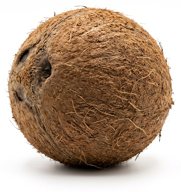
 Fresh coconut
Use equal weight freshly grated or diced. Delivers the identical sweet, milky taste and juicy texture.
 Desiccated coconut
Use 60% of the weight and soak in hot water or milk for 15 minutes before using. The finished dish will be slightly sweeter and less fibrous.
 Dried coconut
Finely grate and use 50% of the weight, soaked in hot water for 20 minutes. Yields a firmer chew and a denser, oilier coconut aroma.


 Lemon
Use the same weight; sharper and less floral, so reduce any extra souring slightly.
 Lemon juice
Use about 30 g juice per lime (2 tbsp), strain pips; add at the end for fresh sourness.
 Dried mango powder
Use 1 g amchoor for about 15 g lime juice; add early with spices; gives dry mango sourness, not citrus aroma.


Similar dishes

- Same: Both are South Indian rice and coconut dishes tempered in vegetable oil with mustard seeds, urad dal, chillies, curry leaves, and asafoetida.
- Different: Arisi Upama uses broken rice seasoned with cumin and black pepper, whereas this dish uses whole rice and includes ginger, garlic, chana dal, turmeric, and coriander.

- Same: Chitrannam shares with this dish a South Indian tempered-rice style using mustard seed, urad dal, chana dal, curry leaves, asafoetida, turmeric, green chilli, dried red chilli, ginger, lime, vegetable oil, salt, and coriander.
- Different: Chitrannam uses long-grain rice, less oil, cashew nuts instead of coconut, no garlic, ginger paste, much more coriander leaf, and a chutney, while this dish uses more rice, more oil, fresh ginger, garlic, and a large amount of coconut.

- Same: It shares rice, chana dal, coconut, vegetable oil, mustard seed, urad dal, curry leaf, dried red chilli, asafoetida and salt with this dish.
- Different: It is a blended rice-and-chana-dal batter cooked as pancakes with desiccated coconut and cumin, while this dish is tempered rice with fresh coconut, green chilli, garlic, ginger, turmeric and lime.

- Same: Puttu also combines rice and fresh coconut as its core ingredients.
- Different: Puttu is steamed from rice flour and coconut without any fat, omitting this dish's tempering of vegetable oil, mustard seeds, chillies, lentils, ginger, garlic, and curry leaves.