
Arisi Upama
A comforting South Indian savoury broken rice dish gently spiced with chillies, mustard seeds, and lentils, finished with grated fresh coconut.
Tempering spices
6 gFried in hot oil (step 2)Asafoetida
1.4 gAdded to the pan before boiling (step 3)Finishing spice
2.3 gFolded in at the end (step 5)Everything else

Method
- Soak 4 tablespoon toover dal in a bowl of water for 15 minutes. Drain thoroughly, transfer to a blender with 24 g green chilli and 15 ml water, and grind to a paste.
- Warm 114 g vegetable oil in a deep frying pan or kadhai over medium heat. Tip in the tempering spices, 8.6 g urad dal, and 1 g curry leaf, then cook for roughly 1 minute until the mustard seeds splutter.
- Stir in the asafoetida, the prepared dal paste, 1 litre of water, and salt to taste, then bring the mixture to a boil.
- Stir in 400 g broken rice, reduce the heat to low, cover, and gently simmer for 15 to 20 minutes, giving it a stir every 5 minutes, until the liquid has been fully absorbed and the grains are tender.
- Fold in 85 g fresh coconut and the finishing spice, then remove the pan from the heat.
Don't have something?


 Garlic powder
Use double the weight. Stir into hot oil just before adding wet ingredients; mimics the allium savoury background without the sulphurous edge.
 Garlic paste
Use 2 g for every 0.5 g of asafoetida. Sauté in oil until the raw smell clears; adds moisture and sweet allium depth.


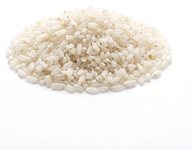
 Broken rice
Use the same weight; it is already close, though pieces may be finer or larger.
 Uncooked rice
Pulse raw rice in short bursts until coarsely broken; use the same weight, then soak for 10 minutes and cook a little longer.
 Short-grain rice
Pulse coarsely and use the same weight; it is stickier than broken rice.



 Desiccated coconut
Use 50% to 60% of the weight, soaked in equal parts warm water for 15 minutes before grinding. Works well for chutneys, though texture is slightly finer and sweeter.
 Coconut milk
Use 1.2 times the weight in curries. Adds creamy richness and authentic flavour, but makes gravies smoother and eliminates the grated, chewy mouthfeel.


 Black peppercorn
Use 1:1 by weight; pulverise in a spice mill or mortar to a fine powder for immediate, punchy heat.
 Coarsely ground black pepper
Use equal weight; offers the same bite, though it gives a visibly speckled finish and firmer crunch.


 Peanut oil
Use 1:1 by weight. Handles high-heat frying identically and introduces a very subtle, pleasant nuttiness.
 Ghee
Use 1:1 by weight. Yields a much richer, authentic aroma and a glossy, heavier mouthfeel.
 Mustard oil
Use 1:1 by weight. Heat until smoking, then cool slightly before cooking to temper its intensely pungent, sharp mustard kick.


 Black mustard seed
Use the same weight. The seeds are smaller and hotter; fry in hot oil until they pop, about 20–30 seconds, and reduce the heat if they darken too fast. The dish will be a little sharper.
 Yellow mustard seeds
Use the same weight. They are milder and larger; fry a few seconds longer until they pop. The finished dish will have less pungency.
 Ground mustard seed
Use 70% of the weight of whole seed, added with the other ground spices rather than fried whole. You lose the popping texture and the heat comes through more evenly.


 Ground cumin
Use 70% of the weight; add with ground spices or sauce bases rather than hot oil tempering, where it scorches quickly and turns bitter.
 Black cumin seeds
Use equal weight for oil tempering. Delivers an earthy profile with an additional musky, smoky, and slightly bitter edge.
 Fennel seed
Use 60% of the weight for tempering; offers comparable warm aroma, but leans sweet and liquorice-like rather than savoury and earthy.


 Dried kashmiri chilli
Use equal weight whole. Fry in hot oil or ghee as tempered spice; gives a richer red colour with slightly milder heat.
 Red chilli powder
Use 50% to 70% of the weight. Stir into the oil with ground spices; distributes heat evenly throughout the dish without whole chilli skins.


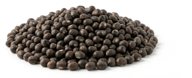 Whole black gram
Use equal weight. Needs longer soaking and cooking; the dark skins impart an earthy flavour and greyish-black hue unless thoroughly rubbed off.
 Chana dal
Use equal weight when tempering (tadka). Provides a comparable nutty, crunchy texture in hot oil, though grains are slightly larger.
 Split mung beans
Use equal weight for batters or dals. Ferments and cooks faster, producing a lighter, less sticky, and less viscous consistency.


 Bay leaf
Fry 1 bay leaf for every 5 curry leaves in hot oil; imparts a warm, woodsy background note, but misses the citrus-sulphury punch entirely.
 Lime juice
Add a small squeeze (about 5 ml per sprig of curry leaves) right before serving; provides sharp citrus top notes without the toasty, herbal aroma.


 Red lentils
Use equal weight. Cooks considerably faster and breaks down into a softer, creamier consistency with an earthier taste.
- Chana dal
Use equal weight. Requires longer soaking and cooking; remains firmer with a nuttier bite and less starchy thickening.
- Split mung beans
Use equal weight. Cooks quickly to a lighter, more delicate, and silky texture.


 Chilli powder
Use 10 to 15% of the weight (about 1/4 teaspoon per chilli); imparts dry pungent heat and reddens the dish without the grassy crunch.
- Dried red chilli
Use 1 dried pod per fresh green chilli; snap in half and temper in hot oil for a deeper, toastier heat.

Similar dishes

- Same: Thengaai Saadam shares a base of rice and fresh grated coconut seasoned with vegetable oil, mustard seeds, urad dal, dried red chillies, and curry leaves.
- Different: Thengaai Saadam uses whole cooked basmati rice rather than broken rice cooked into an upma, uses much less oil, and omits the green chillies, cumin seeds, black pepper, and asafoetida.

- Same: Tapala Chakku Athi shares the base of rice and coconut tempered with mustard seeds, cumin, urad dal, dried red chillies, curry leaves, and asafoetida in vegetable oil.
- Different: Tapala Chakku Athi blends soaked basmati rice and chana dal into pan-fried pancakes with desiccated coconut, omitting the fresh green chillies and black pepper cooked directly into this broken rice dish.

- Same: Both are South Indian coconut and rice dishes tempered in vegetable oil with mustard seeds, urad dal, curry leaves, asafoetida, and chillies.
- Different: Kobbaraiannam incorporates garlic, fresh ginger, turmeric, coriander leaf, and chana dal, but leaves out the cumin seeds and ground black pepper found in this dish.
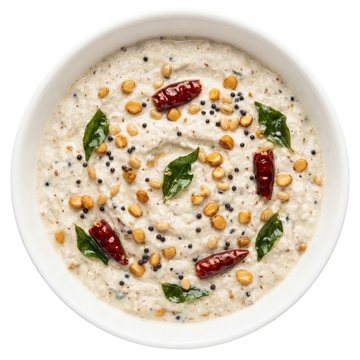
- Same: Dahi ki Chutney shares fresh coconut, green chilli, curry leaf, mustard seed, urad dal, vegetable oil, and salt with this dish.
- Different: Dahi ki Chutney adds yoghurt, lime juice, chana dal, and ginger, and it lacks broken rice, toor dal, black pepper, and asafoetida; it is a creamy condiment rather than a cooked broken-rice snack.