Indian cooking
Indian cooking / Dishes / Kathhal Dopyaza
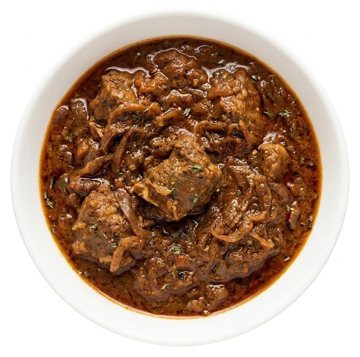
Kathhal Dopyaza (Jackfruit with Onions)

Kathhal Dopyaza

Jackfruit with Onions
Vegetarian●●●Origin AwadhPrep 1 hourCook 10 minutes

A richly layered North Indian curry where tender, deep-fried jackfruit is paired with onions cooked two ways. Whole and ground spices form an aromatic coating that balances savoury depth with the natural sweetness of browned shallots and onions.

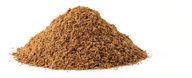
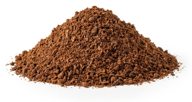
Ground spice paste

15 gStirred into the ghee after tempering (step 4)
01
4.5 g1½ teaspoons
spice
02
8 g1½ tablespoons
spice
03
2.6 g1 teaspoon
spice
Stir together with 45 ml (3 tbsp) of water to make a smooth paste.

Whole spices

10 gFried in hot ghee with the chillies (step 4)
02
1 g2 leaves
spice
03
0.4 g5 cloves
spice
Leave whole to temper the cooking fat.

Finishing spices

1.8 gFolded in off the heat at the end (step 5)
Stir the powders together until evenly blended.

Everything else

01
Jackfruit · Kathalpeeled, de-seeded and cut into small pieces wearing glovesSee the glossary: Wearing gloves →
1000 g
fruit
02
Vegetable oil · Telplus extra for deep frying
14 g1 tablespoon
oil/fat
03
600 g4 onions
vegetable
04
160 g16 onions
vegetable
05
26 g2 tablespoons
oil/fat
06
Green chilli · Hari Mirchslit in half lengthways and de-seeded
24 g4 chillies
vegetable
07
to taste
salt
08
1 g1 tablespoon
herb

Method

  1. Bring a large pot of water to a rolling boil. Add 1000 g jackfruit and a pinch of salt to taste, then simmer for about 15 minutes until tender. Drain well and blot dry with paper towels.
  2. Warm 13.5 g vegetable oil in a large skillet over medium heat. Fry 600 g onion for 5 to 7 minutes until golden brown, then transfer to a plate and keep aside.
  3. Pour extra vegetable oil into a deep, heavy saucepan for deep-frying and heat to 180°C (350°F). Fry the boiled jackfruit in small batches for 1 to 2 minutes until crisp and golden, then scoop out with a slotted spoon to drain on paper towels. Lower the heat slightly, add 16 baby onions, and fry for 2 to 3 minutes until browned all over, draining them with the jackfruit.
  4. Melt 26.4 g ghee in a wide, heavy pot set over medium heat. Drop in 24 g green chilli alongside the whole spices, stirring for 1 to 2 minutes until fragrant and the chillies change colour. Add the ground spice paste, then fold in the fried jackfruit, the browned sliced onions, and the baby onions. Season with salt to taste and stir-fry for 2 minutes.
  5. Sprinkle the finishing spices over the curry, stir thoroughly to coat the vegetables, and remove from the heat. Scatter over 1 g coriander leaf before serving.

Don't have something?

Jackfruit
  • Ripe mango

    Use the same weight, chopped. It is softer and more acidic, so add it late in cooking or use raw in desserts.

  • Canned pineapple

    Use the same weight, drained and chopped. It is more tart and firm; simmer briefly if the recipe is cooked.

  • Banana

    Use the same weight, sliced. It is much softer and sweeter, so fold in at the end rather than cooking long.

Ground turmeric
  • Ground ginger

    Use 50% of the weight. Mimics turmeric's warm, earthy, rhizome background, but provides none of the golden-yellow colour.

  • Saffron

    Steep a tiny pinch (0.1 g per 2 g turmeric) in 2 tbsp warm water; use to match the rich golden hue. Contributes an aristocratic, honeyed floral flavour rather than earthy bitterness.

Vegetable oil
  • Peanut oil

    Use 1:1 by weight. Handles high-heat frying identically and introduces a very subtle, pleasant nuttiness.

  • Ghee

    Use 1:1 by weight. Yields a much richer, authentic aroma and a glossy, heavier mouthfeel.

  • Mustard oil

    Use 1:1 by weight. Heat until smoking, then cool slightly before cooking to temper its intensely pungent, sharp mustard kick.

Onion
  • Shallot

    Use equal weight, finely sliced. Shallots soften and brown faster, giving a slightly sweeter and more delicate base to curries.

  • Cabbage

    Use 80% of the weight, finely shredded and browned slowly with a pinch of asafoetida. Replicates the bulk and natural sweetness in gravies without allium.

Baby pearl onion
  • Baby onion

    Use the same weight; peel and leave whole. Practically the same.

  • Shallot

    Use the same weight; halve if large. Sweeter and softer, so add 2 minutes later.

  • Onion

    Use the same weight, quartered. Stronger flavour; cook 2–3 minutes longer.

Ground coriander
  • Coriander seeds

    Dry-roast lightly in a pan and grind to a fine powder; use equal weight (1:1). Offers a noticeably fresher, brighter citrus note.

  • Ground cumin

    Use 50% to 75% of the weight. Lacks the floral, citrusy profile of coriander and turns the gravy heavier, earthier, and darker.

  • Garam masala

    Use 50% of the weight and stir in near the end of cooking. Adds warmth and depth since it contains ground coriander, but introduces stronger spices like clove and cinnamon.

Chilli powder
  • Red chilli powder

    Use 100% of the weight. Provides direct, sharp heat and red colour in equal measure.

  • Kashmiri chilli powder

    Use 150% to 200% of the weight if matching colour, but add a pinch of black pepper or hot chilli if you need equivalent fiery heat.

  • Cayenne pepper

    Use 75% to 100% of the weight. Offers a sharp, clean heat with slightly less earthy depth and less crimson colour.

Ghee
  • Unsalted butter

    Use 120% of the weight; melt gently over low heat to avoid burning the milk solids, which will yield a softer, creamier richness rather than a nutty aroma.

  • Vegetable oil

    Use 85% of the weight; holds high cooking temperatures without smoking, but the final dish will lack traditional dairy depth.

  • Mustard oil

    Use equal weight; heat to smoking point and cool slightly before cooking, bearing in mind it introduces an assertive, pungent edge.

Dried red chilli
  • Dried kashmiri chilli

    Use equal weight whole. Fry in hot oil or ghee as tempered spice; gives a richer red colour with slightly milder heat.

  • Red chilli powder

    Use 50% to 70% of the weight. Stir into the oil with ground spices; distributes heat evenly throughout the dish without whole chilli skins.

Green chilli
  • Chilli powder

    Use 10 to 15% of the weight (about 1/4 teaspoon per chilli); imparts dry pungent heat and reddens the dish without the grassy crunch.

  • Dried red chilli

    Use 1 dried pod per fresh green chilli; snap in half and temper in hot oil for a deeper, toastier heat.

Bay leaf
  • Cinnamon stick

    Use a 2 cm piece (about 1 g) for every 1 to 2 bay leaves. Fry in whole-spice temperings; provides the cassia-like warmth typical of Indian tejpatta.

  • Ground cinnamon (cassia)

    Use 0.5 g per leaf. Stir into the sauce during simmering; gives the same warm woodiness but darkens the colour slightly.

Clove
  • Ground cloves

    Use 1 g ground for 4 g whole (or 1 small pinch per 2 to 3 whole cloves). Add with spice powders; disperses intense warmth quickly, so use with restraint.

  • Allspice berries

    Use 100% of the weight whole in tempering. Imparts a warm, clove-like aromatic profile combined with hints of nutmeg and cinnamon.

  • Black cardamom pod

    Use 1 pod for 3 to 4 cloves in whole tempering. Shares a camphor-like warmth and medicinal depth, though it introduces a distinct smoky undertone.

Black cardamom pod
  • Ground black cardamom

    Use 0.5 g of ground seeds for each whole pod. Stir directly into the curry base; delivers identical smoky flavour without woody husks.

  • Green cardamom pod

    Use equal pod count or weight. Crack slightly and fry whole; tastes sweet, menthol-fresh, and floral rather than dark and smoky.

Ground green cardamom
  • Green cardamom seed

    Grind freshly extracted inner black seeds finely; use equal weight (1:1). Greatly superior aroma with potent eucalyptus and citrus notes.

  • Green cardamom pod

    Lightly crack whole pods and simmer them in the gravy; use 150% of the weight of ground cardamom. Fish out the pods before serving.

  • Ground nutmeg

    Use 50% of the weight. Delivers warm, sweet aroma, but lacks cardamom's cooling, citrusy top notes.

Ground cinnamon
  • Ground Ceylon cinnamon

    Milder and sweeter than ground cassia: use about 1.5 times the weight.

  • Cassia bark (Chinese cinnamon)

    Grind the same weight of cassia bark in a spice mill until powdery, or simmer a piece whole and lift it out before serving.

  • Ground mace

    Use 40 to 50% of the weight; offers a delicate, sweet, woodsy fragrance that complements rich curries without dominating.

Ground clove
  • Ground allspice

    Use 1.5–2 times the weight; it has a similar warm pungency but is milder and rounder, so the dish loses clove’s sharp medicinal heat.

  • Ground cinnamon (cassia)

    Use the same weight; it gives warmth but is sweeter and lacks clove’s strength, so use only if the amount is small.

Ground nutmeg
  • Nutmeg

    Grate whole nutmeg finely on a microplane; use 80% to 100% of the weight. Freshly grated nutmeg has significantly more aromatic oils and a more vibrant aroma.

  • Ground mace

    Use 100% to 120% of the weight. Mace is nutmeg's outer husk, providing almost identical warmth but with a lighter, slightly more delicate, floral edge.

  • Ground cinnamon (cassia)

    Use 75% of the weight. Adds comparable warmth and sweetness, though it lacks the musky, nutty undertone of nutmeg.

Coriander leaf
  • Coriander

    Use equal weight finely chopped; this is the exact same fresh herb.

  • Mint

    Use half the weight finely chopped; provides vibrant green freshness, though the flavour profile becomes noticeably cooler and sharper.

Similar dishes

Khatta Meetha Do Pyaza
Rajasthani Sweet & Sour Lamb
It tastes meatier and more tangy-sweet from the yogurt and fried onion paste, whereas this dish is more vegetal with sharper heat from fresh and dried chillies.
  • Same: Khatta Meetha Do Pyaza also builds a do pyaza base around generous onions cooked in ghee with whole spices like black cardamom, cloves, cinnamon, and bay leaf.
  • Different: It uses lamb instead of jackfruit, introduces yogurt as a souring agent along with ginger-garlic paste and kasuri methi, and cooks entirely in ghee without the turmeric or fresh green chillies used in this dish.
Jhinga Dopyaza
Curried Prawns (Shrimp) with Onions
Jhinga Dopyaza offers a sharper, herbal seafood flavour without the sweet, buttery warmth and sweet-spice aroma of this dish.
  • Same: Both are onion-forward dopyaza curries seasoned with ground turmeric, chilli powder, ground coriander, and fresh green chillies.
  • Different: Jhinga Dopyaza uses prawns cooked in vegetable oil with curry leaves, ginger, and garlic, omitting this dish's deep-fried jackfruit, ghee, and warm spices like cardamom, cinnamon, and cloves.
Magaj Masala
Lambs' Brains
Magaj Masala is creamier, milder, and lightly tangy from yoghurt and lemon juice, whereas this dish is drier, sharper in heat, and sweeter from caramelized onions.
  • Same: Magaj Masala shares with this dish a base of onions and ghee seasoned with green chillies, turmeric, chilli powder, ground coriander, bay leaves, cloves, black cardamom, cinnamon, and green cardamom.
  • Different: Magaj Masala simmers lamb brains instead of deep-frying jackfruit, creating a rich sauce with milk, yoghurt, cashew paste, ginger, garlic, fennel, cumin, and lemon juice rather than relying heavily on onions.
Kande Batatyatli Machhi
Shellfish in Onion Masala
Kande Batatyatli Machhi tastes lighter, briny, and tangy from lime juice and tomatoes, while this dish is richer and sweeter from heavily browned onions and whole spices.
  • Same: Both dishes build an onion-rich base seasoned with green chillies, ground coriander, turmeric, chilli powder, clove, and green cardamom.
  • Different: Kande Batatyatli Machhi simmers shellfish and potatoes with tomatoes, ginger, garlic, cumin, and lime juice using only vegetable oil, whereas this dish pairs deep-fried jackfruit with ghee, nutmeg, and black cardamom.