Indian cooking
Indian cooking / Dishes / Jaggery Treacle Tart with Milk Ice Cream
Jaggery Treacle Tart with Milk Ice Cream ()

Jaggery Treacle Tart with Milk Ice Cream

Non-vegetarian

A treacle tart made with golden syrup and jaggery in a crisp pastry case, with a breadcrumb-thickened filling and a smooth milk ice cream. It is sweet and slightly smoky, with a pinch of sea salt to balance it.

Ingredients

01
280 g200 ml
sweetener
02
Jaggery · Gurroughly chopped
100 g
sweetener
03
to taste
souring agent
04
100 g2 eggs
egg
05
99 g100 ml
dairy
06
200 g
grain
08
828 g800 ml
dairy
09
75 g
sweetener
10
130 g100 ml
dairy
11
10 g1½ teaspoons
sweetener
12
2.5 g1 sheet
other
13
110 g
dairy
14
Plain flour · Maidaplus extra for dusting
225 g
flour
15
50 g1 egg
egg

Method

  1. Soak 2.5 g gelatine sheet in cold water until soft.
  2. Pour 750 ml of the 828 g whole milk into a heavy-based saucepan, keeping the rest back. Add 75 g caster sugar and stir constantly over medium heat; simmer until reduced to 500 ml.
  3. Lower the heat and stir in 130 g condensed milk and 10.4 g glucose.
  4. Squeeze the soaked gelatine sheet and stir it into the warm milk mixture until dissolved.
  5. Stir the reserved whole milk into the mixture, then cool completely.
  6. Churn in an ice-cream machine for 15–20 min, until thickened. Transfer to a freezer-proof container and freeze.
  7. Rub 110 g unsalted butter into 225 g plain flour until lightly crumbed.
  8. Add 50 g egg and mix, then bring together by hand to a smooth dough, adding 1 tbsp water if it feels dry.
  9. Shape the dough into a ball, flatten to a disc, wrap in cling film and refrigerate for 20 min.
  10. Heat the oven to 160°C (320°F/Gas 3) and grease a 23 cm (9 in) flan ring.
  11. Roll the dough on a lightly floured surface, using extra plain flour for dusting, to about 5 mm (¼ in) thick, and line the flan ring.
  12. Line the pastry with baking parchment and baking beans, then bake blind for 20 min.
  13. Remove the parchment and beans and let the case cool in the flan ring.
  14. Lower the oven to 150°C (300°F/Gas 2).
  15. Put 280 g golden syrup, 100 g jaggery, lemon juice to taste and 100 g egg in a heavy-based saucepan over low heat and melt together.
  16. When incorporated, stir in 99.4 g double cream.
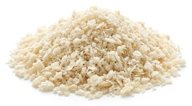
  17. Remove from the heat and fold in 200 g brown breadcrumbs.
  18. Pour the mixture into the pastry case and bake for 45 min, until set and golden.
  19. Remove from the oven and cool.
  20. Sprinkle himalayan sea salt to taste over the cooled tart and serve with the milk ice cream.

Don't have something?

Golden syrup
  • Glucose

    Use the same weight. It is less sweet and less flavoursome, so taste and add a little sugar if needed.

  • Honey

    Use the same weight but keep the heat lower. It is sweeter and more floral, so reduce slightly if the dish is delicate.

  • Light brown soft sugar

    Use the same weight dissolved in a little hot water. It gives a stronger molasses flavour and a darker colour.

Jaggery
  • Granulated sugar

    Use 80% of the weight. Granulated sugar is sweeter by weight, but gives a cleaner, one-dimensional sweetness that lacks jaggery's caramel, molasses depth.

  • Raisin

    Soak and blend into a paste; use 100% to 120% of the weight. Adds rich, natural, fruity sweetness with complex, dark molasses notes that thicken the gravy.

Lemon juice
  • Lime juice

    Use equal volume or weight; delivers almost identical sharp acidity with a faintly more aromatic, bitter-edged profile.

  • Dried mango powder

    Use 25% of the weight (about 1 g amchoor for 4 g juice); provides clean fruity tartness without thinning the sauce.

  • White vinegar

    Use 75% of the volume; gives direct sourness without any citrus floral fragrance.

Egg
  • Chickpea flour

    For binding, use about 10 g chickpea flour mixed with 20 ml water per egg and rest for 10 minutes. Denser and nuttier; not suitable for baking or coating in the same way.

  • Full-fat natural yoghurt

    Use about 30 g per egg for moisture and binding in koftas or fillings. Adds tang and softness; will not set or glaze like egg.

  • Tofu

    Use the same weight, mashed, for egg-like bulk in curries. Soft and bland; add extra spices and do not expect it to bind.

Double cream
  • Heavy cream

    Use the same weight; whips and cooks almost identically.

  • Single cream

    Use the same weight in cooking, but it will not whip; reduce other liquid slightly.

  • Clotted cream

    Use 80% of the weight; richer and thicker, good for serving but not for whipping.

Brown breadcrumbs
  • Breadcrumb

    Use the same weight; plain crumbs are milder and lighter in colour.

  • White breadcrumb

    Use the same weight; the result will be paler and less nutty.

  • Dried breadcrumb

    Use about 70% of the weight and moisten slightly, as dried crumbs absorb more liquid.

Whole milk
  • Milk

    Use 100% of the weight. If using semi-skimmed milk, stir in 10 g butter per 200 g milk to match the richness of whole milk.

  • Single cream

    Use 60% cream diluted with 40% water by weight to match the fat content of whole milk. Gravies will taste richer and reduce faster.

Caster sugar
  • Granulated sugar

    Use the same weight. It is slightly coarser, so stir a little longer to dissolve; in baking, grind briefly if a fine texture matters.

  • Demerara sugar

    Use the same weight, but dissolve it earlier as it is coarser. It adds a light caramel note and a little colour.

  • Ground jaggery or soft brown sugar

    Use the same weight; crush or grate jaggery first. It darkens the dish and adds molasses flavour, so reduce other liquid slightly.

Condensed milk
  • Milk powder

    For 100 g condensed milk, whisk 30 g milk powder with 40 g sugar, 30 g hot milk or water and 5 g butter until smooth. It will be slightly less glossy but works in sweets and curries.

  • Full cream milk

    For 100 g condensed milk, simmer 250 g full cream milk with 75 g sugar until reduced to about 100 g, stirring often. Takes 20–30 minutes and gives a fresher, less caramelised flavour.

  • Milk solids or milk powder

    Use 100 g khoya with 40 g sugar and 2–3 tablespoons milk, heating gently until smooth; it is thicker and richer, so loosen with milk as needed.

Glucose
  • Golden syrup

    Use the same weight. It has a slight colour and flavour but similar anti-crystallising effect.

  • Sugar syrup

    Use the same weight and reduce other liquid slightly. It is less thick and may crystallise more easily.

  • Caster sugar

    Use the same weight dissolved in a little warm water; add a pinch of cream of tartar to help stop crystallisation.

Gelatine sheet
  • Gelatine powder

    One sheet is roughly 2 g powder. Bloom the powder in cold water first, then use as the sheet; setting strength is similar.

  • Agar-agar

    Use about 1 g agar powder for each 2 g gelatine sheet, boil briefly to activate. It sets firmer and can be brittle, so not good for soft jellies.

Unsalted butter
  • Ghee

    Use 80% to 85% of the weight. Delivers rich dairy flavour without the milk solids or moisture; watch the heat as it cooks hotter.

  • Butter

    Use equal weight, but reduce the recipe's added salt by approximately 1.5% of the weight of butter used.

Plain flour
  • Whole wheat flour

    Use the same weight, add 10–15% more water and rest the dough for 20 minutes; the result is heavier and nuttier.

  • Rice flour

    Use the same weight for crisp coatings; for doughs use no more than half rice flour with wheat flour, or it will be crumbly.

  • Cornflour

    For thickening use half the weight, mixed with cold water; it is not suitable for bread or chapati dough.

Similar dishes

Sheermal (Tandoori Home Cooking)
Saffron-Infused Milk Bread with Cardamom & Rose Water
Sheermal tastes soft, lightly sweet and floral from saffron, cardamom and rose water, while this dish tastes deeply caramel-sweet from jaggery and golden syrup and is balanced by cold milk ice cream.
  • Same: Sheermal shares plain flour, whole milk and a butter/ghee fat with this dish, and both are sweet baked foods.
  • Different: Sheermal is a yeast-leavened flatbread with saffron, cardamom and rose water and no egg, cream, lemon juice, breadcrumbs, golden syrup or jaggery, while this dish is an egg-and-cream pastry tart filled with golden syrup and jaggery and served with milk ice cream.
Shahi Tukda with Buttermilk Ice Cream
Shahi Tukda with Buttermilk Ice Cream tastes creamy and rich with a light buttermilk tang and soft syrup-soaked crumb. This dish tastes of deep caramel from jaggery and golden syrup in a crisp pastry case, with cold milk ice cream balancing the sweetness.
  • Same: Shahi Tukda with Buttermilk Ice Cream and this dish are both sweet dairy-rich desserts served with ice cream. Both use eggs, cream, sugar, and milk in their components.
  • Different: Shahi Tukda with Buttermilk Ice Cream uses fried brioche, ghee, custard soak, buttermilk ice cream, cardamom, pistachios, berries, and condensed milk. It lacks this dish's plain-flour pastry, golden syrup, jaggery, lemon juice, and brown breadcrumbs.
Shahi Tukra
Sweet Morsel for the Prince
Shahi Tukra is soft, richly sweet, and floral-spiced with cardamom and saffron, while this dish is caramel-sweet from jaggery and golden syrup and balanced by cold milk ice cream.
  • Same: Shahi Tukra shares with this dish a dairy base, bread as a main component, and a small amount of citrus juice.
  • Different: Shahi Tukra uses white bread fried in ghee or oil and simmered in cardamom-saffron milk with rosewater or kewra, while this dish is a baked butter pastry tart filled with golden syrup, jaggery, egg, and cream and served with milk ice cream.
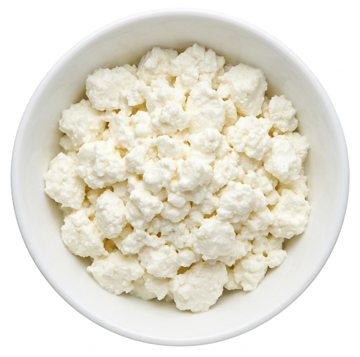
Paneer (Kricket)
Paneer is mild, milky, and crumbly, while this dish is sweet and caramel-like with a cold creamy ice cream.
  • Same: Paneer and this dish both use whole milk, and both use lemon juice as an ingredient.
  • Different: Paneer is made by curdling milk and draining the curds, while this dish is a baked tart with pastry, golden syrup, jaggery, breadcrumbs, cream, and a milk ice cream set with gelatine.