
Dum ka Murgh
A slow-cooked, rich chicken curry coated in a creamy yoghurt and roasted nut sauce. It is gently spiced, deeply savoury, and finished with fragrant whole spices and a bright splash of citrus.
Marinade spices
10 gWhisked into the marinade (step 1)Finishing spice mix
1.8 gStirred into the curry at the end of cooking (step 5)Everything else

Method
- In a shallow dish, stir together 500 g yoghurt, 2.5 g ginger, 1 teaspoon garlic, 9.9 g green chilli, 50 g roasted and ground nuts, salt to taste, and the marinade spices. Add 1000 g chicken, turning to coat evenly, then cover and chill in the refrigerator for 1 to 2 hours.
- Grind the finishing spice mix to a fine powder and set aside.
- Warm 91.3 g vegetable oil in a heavy-bottomed pan set over medium heat. Tip in 450 g onion and sauté for 5 to 7 minutes until golden brown.
- Add the marinated chicken along with all its marinade to the pan and stir well. Splash in a little water, cover with a tight-fitting lid, and simmer gently for 25 to 30 minutes until the chicken is tender.
- Scatter over the finishing spice mix and stir in the juice of 1 lemon, then remove from the heat.
Don't have something?


 Boneless chicken
Use the same weight, cut into thigh-sized pieces. If the mix includes breast, add breast pieces 5 minutes later so they do not dry out.
 Skinless chicken thigh
Use the same weight. Remove any skin and cut into cubes; cooking time and juiciness are almost the same.
 Boneless chicken breast
Use the same weight, cut into slightly larger cubes and marinate well. Reduce the final simmer by about 5 minutes; it is leaner and can dry out.


 Peanut oil
Use 1:1 by weight. Handles high-heat frying identically and introduces a very subtle, pleasant nuttiness.
 Ghee
Use 1:1 by weight. Yields a much richer, authentic aroma and a glossy, heavier mouthfeel.
 Mustard oil
Use 1:1 by weight. Heat until smoking, then cool slightly before cooking to temper its intensely pungent, sharp mustard kick.






 Lime
Use the same weight or juice amount; sharper, so taste before adding all the juice.
 Lemon juice
Use about 45–50 ml for 1 lemon; add off the heat to keep the freshness.
 Dried mango powder
Use 1 tsp for the juice of 1 lemon; add early. Sourness is flatter and less fresh.


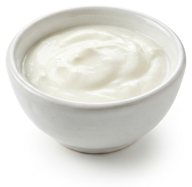 Full-fat yoghurt
Use the same weight; check that it is plain and unsweetened.
 Plain yogurt
Use the same weight; if it is thin, strain for 10 minutes first.
 Hung natural yoghurt
Use 70% of the weight and loosen with a little milk to match the recipe's consistency.


 Fresh ginger
Use equal weight; scrape off the skin and grate or finely julienne according to the recipe.
 Ginger paste
Use equal weight; stir straight into the sizzling aromatics, taking care as the extra moisture may spit.
 Ground ginger
Use 15 to 20% of the weight; add alongside ground spices, noting it imparts warm, dry heat rather than zesty freshness.



 Garlic paste
Use equal weight. Fry gently in oil or ghee with the ginger; incorporates smoothly into curries without visible minced bits.
 Garlic powder
Use 15% to 20% of the weight (about 1 g for every 5 to 6 g fresh cloves). Whisk into sauces; gives a savoury, toasted garlic flavour without raw pungency.
 Shallot
Use 1.5 times the weight, very finely minced. Sauté until golden; provides savoury allium sweetness, though it lacks garlic's pungent sulphur bite.


 Chilli powder
Use 10 to 15% of the weight (about 1/4 teaspoon per chilli); imparts dry pungent heat and reddens the dish without the grassy crunch.
 Dried red chilli
Use 1 dried pod per fresh green chilli; snap in half and temper in hot oil for a deeper, toastier heat.


- Ground ginger
Use 50% of the weight. Mimics turmeric's warm, earthy, rhizome background, but provides none of the golden-yellow colour.
 Saffron
Steep a tiny pinch (0.1 g per 2 g turmeric) in 2 tbsp warm water; use to match the rich golden hue. Contributes an aristocratic, honeyed floral flavour rather than earthy bitterness.


 Sesame seeds
Use 100% of the weight. Toast lightly in a dry pan until fragrant; works identically in gravies, spice blends, and tadkas.
 Poppy seed
Use 80% of the weight, soaked in hot water and ground to a paste. Perfect for thickening kormas and royal gravies without altering the pale colour.
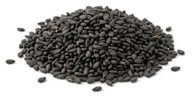 Black sesame seeds
Use 100% of the weight. It has an earthier, slightly more bitter flavour and will dramatically darken the dish.


 Almond
Use 100% of the weight. Soak in boiling water and slip off skins before frying or grinding; gives a lighter, slightly less sweet richness to curries.
- Poppy seed
Use 60% of the weight for gravies. Soak in warm water and grind into a fine paste to thicken royal kormas without adding heavy oiliness.
 Shelled peanut
Use 100% of the weight. Roast, skin, and grind; creates a thicker, earthier texture typical of Maharashtrian and western Indian curries.


 Cinnamon stick
Use the same weight; break into small pieces and fry or simmer as directed. It gives a similar warm cinnamon note, though less floral.
 Ground cinnamon (cassia)
Use 60–70% of the weight, added with other ground spices. It disperses well but lacks the whole-spice aroma.
- Cinnamon
Use the same weight in whole form; break it up first. The flavour is close but usually stronger and less delicate.


 Green cardamom seed
Use 35 to 40% of the total pod weight; lightly bruise the seeds before frying in oil to release their essential oils.
 Ground green cardamom
Use 20 to 25% of the pod weight (about 1 generous pinch per pod); stir in toward the end of cooking so the delicate floral notes do not dissipate.
 White cardamom pod
Use 1:1 by pod count or weight; crack gently before using, though it is slightly less intensely floral.


 Ground cloves
Use 1 g ground for 4 g whole (or 1 small pinch per 2 to 3 whole cloves). Add with spice powders; disperses intense warmth quickly, so use with restraint.
 Allspice berries
Use 100% of the weight whole in tempering. Imparts a warm, clove-like aromatic profile combined with hints of nutmeg and cinnamon.
 Black cardamom pod
Use 1 pod for 3 to 4 cloves in whole tempering. Shares a camphor-like warmth and medicinal depth, though it introduces a distinct smoky undertone.


 Nigella seeds
Use the same weight; in Indian cooking this is usually the same seed. Toast lightly if the recipe asks for toasted.
- Kalonji seed
Use the same weight; it is another name for nigella. Add whole or crush lightly.
 Cumin seed
Use about 75% of the weight and toast before use; the flavour is different, more warm and less onion-like.


Similar dishes

- Same: Thanda Qorma shares a chicken base cooked with onion, ginger, garlic, green chillies, cloves, and green cardamom with this dish.
- Different: It uses ghee instead of vegetable oil, adds cinnamon and black peppercorns while omitting sesame seeds, turmeric, and black cumin, and is cooked nearly dry to be served cold.

- Same: Khare Masale ka Murg also simmers chicken with onions, yogurt, garlic, ginger, green chillies, turmeric, and green cardamom.
- Different: Khare Masale ka Murg cooks in ghee instead of vegetable oil and adds bay leaf and dried red chillies, but omits the sesame seeds, cloves, and black cumin used in this dish.

- Same: Both recipes cook chicken using vegetable oil, onions, ginger, garlic, green chillies, and ground turmeric.
- Different: Instead of being slow-cooked in a sesame-based gravy with cardamom and black cumin, Acha Kozhi is a whole stuffed chicken deep-fried using curry leaves, chilli powder, and black pepper.
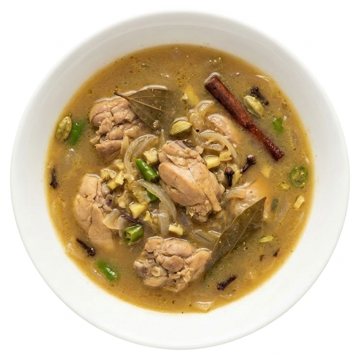
- Same: Chicken Ishtoo also braises chicken with onions, vegetable oil, ginger, garlic, green chillies, cloves, and green cardamom.
- Different: Chicken Ishtoo is simmered into a thin broth seasoned with bay leaves and cinnamon, using much more ginger and green chilli while omitting the sesame seeds, turmeric, and black cumin used in this dish.