Indian cooking
Indian cooking / Dishes / Dal ka Kima
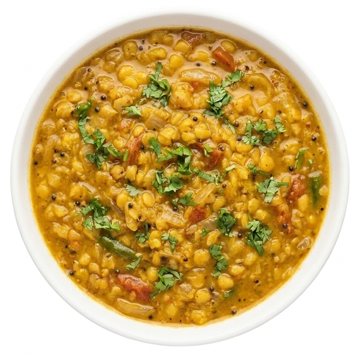
Dal ka Kima (Moong Dal with Peas)

Dal ka Kima

Moong Dal with Peas
Vegetarian●●●Origin AwadhPrep 40 minutes, plus soaking timeCook 30 minutes

A rich vegetarian alternative to minced meat curry, this dish features coarse, golden-fried moong dal simmered with sweet green peas in a deeply spiced onion and tomato gravy.

Ground spices for the sauce

7 gStirred in with the tomatoes (step 5)
01
5 g3 teaspoons
spice
02
1.5 g½ teaspoon
spice
Stir together to combine.

Finishing spices

1.3 gAdded with the yogurt at the end of cooking (step 7)
01
1.3 g½ teaspoon
spice blend
Leave whole as weighed; it goes directly into the pan.

Everything else

01
125 g
legume
02
60 g20 cloves
aromatic
03
12 g1 piece
aromatic
04
350 g
oil/fat
05
Onion · Pyazground to a paste
600 g4 onions
vegetable
06
Tomato · Tamatarskinned and chopped
360 g3 tomatoes
vegetable
07
Pea · Matarshelled if fresh
250 g
vegetable
08
90 g6 tablespoons
dairy
09
2 g2 tablespoons
herb
10
to taste
salt

Method

  1. Cover 125 g moong dal with ample water and soak for 8 to 10 hours.
  2. Drain the dal thoroughly and pulse in a food processor until coarsely crushed. Separately, blend 60 g garlic and 12 g ginger into a smooth paste.
  3. Melt 250 g ghee in a skillet over medium heat. Fry the ground dal for 3 to 4 minutes, scraping the bottom frequently to prevent sticking, until it turns a light golden colour without browning. Lift out with a slotted spoon, drain, and set aside.
  4. Add the remaining 100 g ghee to the skillet over low-medium heat. Add 600 g onion paste and stir-fry for roughly 2 minutes until golden, then add the ginger-garlic paste with a splash of water and cook for 1 minute more.
  5. Add the ground spices for the sauce, 360 g tomato, and salt to taste. Cook down for about 7 minutes until reduced to a rich paste.
  6. Tip the fried dal back into the skillet, pour in 500 ml of water, and cover with a lid. Lower the heat to low and simmer for 15 minutes.
  7. Stir in 250 g pea and simmer for a further 5 to 10 minutes until tender, splashing in extra water if the pan looks too dry.
  8. Stir in the finishing spices and 90 g plain yogurt. Cook over medium heat, stirring continuously for 2 to 3 minutes until the moisture evaporates, then scatter over 2 g coriander leaf to serve.

Don't have something?

Moong dal
  • Red lentils

    Use equal weight. It cooks in about the same time and breaks down to a similar soft, creamy consistency, though the colour will be slightly pinkish-orange.

  • Pigeon peas

    Use equal weight. Requires longer soaking and cooking time, and produces a slightly earthier, denser dal.

Garlic
  • Garlic paste

    Use equal weight. Fry gently in oil or ghee with the ginger; incorporates smoothly into curries without visible minced bits.

  • Garlic powder

    Use 15% to 20% of the weight (about 1 g for every 5 to 6 g fresh cloves). Whisk into sauces; gives a savoury, toasted garlic flavour without raw pungency.

  • Shallot

    Use 1.5 times the weight, very finely minced. Sauté until golden; provides savoury allium sweetness, though it lacks garlic's pungent sulphur bite.

Ginger
  • Fresh ginger

    Use equal weight; scrape off the skin and grate or finely julienne according to the recipe.

  • Ginger paste

    Use equal weight; stir straight into the sizzling aromatics, taking care as the extra moisture may spit.

  • Ground ginger

    Use 15 to 20% of the weight; add alongside ground spices, noting it imparts warm, dry heat rather than zesty freshness.

Ghee
  • Unsalted butter

    Use 120% of the weight; melt gently over low heat to avoid burning the milk solids, which will yield a softer, creamier richness rather than a nutty aroma.

  • Vegetable oil

    Use 85% of the weight; holds high cooking temperatures without smoking, but the final dish will lack traditional dairy depth.

  • Mustard oil

    Use equal weight; heat to smoking point and cool slightly before cooking, bearing in mind it introduces an assertive, pungent edge.

Onion
  • Shallot

    Use equal weight, finely sliced. Shallots soften and brown faster, giving a slightly sweeter and more delicate base to curries.

  • Cabbage

    Use 80% of the weight, finely shredded and browned slowly with a pinch of asafoetida. Replicates the bulk and natural sweetness in gravies without allium.

Coriander seeds
  • Ground coriander

    Use 75% of the weight; stir in along with wet masala or tomato purée rather than frying in hot oil, as the fine powder burns instantly.

  • Cumin seed

    Use 50% of the weight for tempering in hot oil. Lacks the floral, sweet citrus flavour of coriander, introducing warm, pungent earthiness instead.

  • Fennel seed

    Use 50% of the weight in tempering; provides pleasant aromatic sweetness, though noticeably aniseedy rather than citrusy.

Ground turmeric
  • Ground ginger

    Use 50% of the weight. Mimics turmeric's warm, earthy, rhizome background, but provides none of the golden-yellow colour.

  • Saffron

    Steep a tiny pinch (0.1 g per 2 g turmeric) in 2 tbsp warm water; use to match the rich golden hue. Contributes an aristocratic, honeyed floral flavour rather than earthy bitterness.

Tomato
  • Tomato purée

    Use 40% to 50% of the fresh tomato weight mixed with a splash of water. Imparts a deeper red colour, thicker sauce, and slightly sweeter cooked flavour.

  • Plain yogurt

    Use 60% of the weight, whisked smooth and added on low heat. Provides rich body and sourness, though the gravy becomes paler and creamier.

Pea
  • Green pea

    Use equal weight directly from fresh or frozen. Toss into the pan near the end of cooking to preserve sweetness and bright green colour.

  • Chana dal

    Use 70% of the weight, boiled until tender but holding shape. Adds pleasant body and starch, though it lacks the juicy sweetness of fresh peas.

Garam masala
  • Ground cumin

    Use 50% of the weight mixed with equal parts ground coriander and a pinch of ground cinnamon, ground cloves, and ground green cardamom. Sprinkle near the end for a warming finish.

  • Lentil stew spice mix

    Use 75% of the weight. Simmer briefly in the gravy; imparts roasted warmth and complexity, though it adds a slight tang and earthy lentil undertone.

Plain yogurt
  • Yogurt

    Use equal weight, whisked thoroughly until smooth before adding to hot dishes to prevent curdling.

  • Coconut milk

    Use equal weight with 1 teaspoon lemon juice mixed in. Provides rich creaminess in curries, but adds a noticeable coconut flavour.

  • Single cream

    Use 80% of the weight plus a squeeze of lemon juice for acidity. Enriches sauces nicely, though it is richer and less tangy.

Coriander leaf
  • Coriander

    Use equal weight finely chopped; this is the exact same fresh herb.

  • Mint

    Use half the weight finely chopped; provides vibrant green freshness, though the flavour profile becomes noticeably cooler and sharper.

Similar dishes

Dal ki Kaleji
Fried Moong Dal Cubes In Sauce
Dal ki Kaleji delivers a sharper, spicier heat with dense, chewy dumplings rather than the sweet, tender bite of the peas found in this dish.
  • Same: Dal ki Kaleji shares a base of moong dal cooked in ghee with an onion, tomato, and yogurt gravy spiced with coriander seeds, turmeric, and garam masala.
  • Different: Instead of simmering loose fried dal with green peas, Dal ki Kaleji shapes the moong dal into steamed-and-fried cubes and incorporates fresh green chillies.
Sookhi Mangori
Dried Moong Dal Dumplings
Sookhi Mangori has a sharper, more pungent profile from asafoetida and chilli, but it tastes less rich and lacks the sweet peas and creamy tang of yogurt found in this dish.
  • Same: Sookhi Mangori also simmers moong dal in a ghee-based onion and tomato gravy seasoned with ginger, garlic, turmeric, and garam masala.
  • Different: Sookhi Mangori uses sun-dried dal dumplings rather than loose fried dal, incorporates asafoetida and chilli powder, and omits the green peas, yogurt, and coriander seeds while using far less ghee.
Aamati
Sweet & Tangy Yellow Dal
Aamati tastes lighter, sweeter, and more tangy-piquant, lacking the rich, buttery, yogurt-rounded savoriness and dense minced texture of this dish.
  • Same: Aamati shares a lentil base cooked in an onion and tomato gravy seasoned with ground turmeric, garam masala, and fresh coriander leaves.
  • Different: Aamati uses boiled toor dal instead of fried moong dal, is cooked with vegetable oil rather than a large amount of ghee, and adds mustard seeds, asafoetida, green chillies, and sugar while omitting peas, garlic, ginger, coriander seeds, and yogurt.
Zimikand-Matar
Elephant’s Foot Yam with Green Peas
It tastes tangier and sharper from the amchoor and chilli powder, without the rich, savory allium sweetness found in this dish.
  • Same: Zimikand-Matar also simmers green peas in a tomato and yogurt gravy cooked in ghee with ground turmeric, coriander seeds, and garam masala.
  • Different: Instead of fried moong dal cooked with heavy amounts of onion, garlic, and ginger, Zimikand-Matar uses elephant's foot yam seasoned with asafoetida, cumin, chilli powder, and amchoor.