Indian cooking
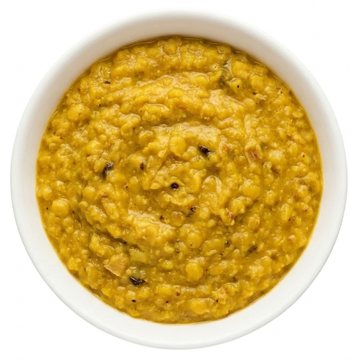
Aamati (Sweet & Tangy Yellow Dal)

Aamati

Sweet & Tangy Yellow Dal
Vegetarian●●●Origin MaharashtraPrep 35 minutes, plus soaking timeCook 15 minutes

A comforting Maharashtrian lentil curry balancing savoury, sweet, and tangy notes. Richly spiced with aromatics and tender toor dal, it offers a bright and deeply layered flavour.

tempering spices

3.3 gFried in hot oil to begin the sauce (step 3)
01
3.3 g1 teaspoon
spice
Keep whole: they go directly into the sizzling oil.

spices for the aromatics

3.3 gStirred in alongside the onions and chillies (step 3)
01
~0.3 gpinch
spice
02
3 g1 teaspoon
spice
Stir together so the ground spices distribute evenly.

finishing spice

5 gStirred into the simmering dal towards the end (step 4)
Leave ready to stir into the pot.

Everything else

01
Pigeon peas · Toor Dalrinsed and drained
100 g
legume
02
14 g1 tablespoon
oil/fat
03
150 g1 onion
vegetable
04
Green chilli · Hari Mirchde-seeded and chopped
24 g4 chillies
vegetable
05
240 g2 tomatoes
vegetable
06
4.2 g1 teaspoon
sweetener
07
to taste
herb
08
to taste
salt

Method

  1. Submerge 100 g toor dal in cold water and leave to soak for 1 hour.
  2. Strain the soaked dal and tip it into a heavy saucepan. Cover generously with fresh water, bring to a rolling boil over high heat, then lower the flame and simmer for about 25 minutes until completely soft. Drain the cooked lentils, transfer them back into the pan, and crush thoroughly with a wooden spoon or potato masher.
  3. Warm 13.5 g vegetable oil in a wide, heavy-based pan set over medium heat. Drop in the tempering spices and fry for roughly 1 minute until they begin to crackle. Add the spices for the aromatics together with 150 g onion and 24 g green chilli, cooking for about 5 minutes until the onions turn pale golden. Tip in 240 g tomato and cook for 3 to 4 minutes until collapsed and pulpy.
  4. Fold the mashed dal into the pan and pour in 250 ml water. Beat well to combine, then raise the heat to high until the liquid comes to a vigorous boil. Drop the heat back to medium, season with salt to taste, and stir in 4.2 g granulated sugar along with the finishing spice. Simmer gently for 5 minutes to integrate the flavours.
  5. Take the pan off the heat and scatter over coriander leaf before serving.

Don't have something?

Toor dal
  • Red lentils

    Use equal weight. Cooks considerably faster and breaks down into a softer, creamier consistency with an earthier taste.

  • Chana dal

    Use equal weight. Requires longer soaking and cooking; remains firmer with a nuttier bite and less starchy thickening.

  • Split mung beans

    Use equal weight. Cooks quickly to a lighter, more delicate, and silky texture.

Vegetable oil
  • Peanut oil

    Use 1:1 by weight. Handles high-heat frying identically and introduces a very subtle, pleasant nuttiness.

  • Ghee

    Use 1:1 by weight. Yields a much richer, authentic aroma and a glossy, heavier mouthfeel.

  • Mustard oil

    Use 1:1 by weight. Heat until smoking, then cool slightly before cooking to temper its intensely pungent, sharp mustard kick.

Mustard seed
  • Black mustard seed

    Use the same weight. The seeds are smaller and hotter; fry in hot oil until they pop, about 20–30 seconds, and reduce the heat if they darken too fast. The dish will be a little sharper.

  • Yellow mustard seeds

    Use the same weight. They are milder and larger; fry a few seconds longer until they pop. The finished dish will have less pungency.

  • Ground mustard seed

    Use 70% of the weight of whole seed, added with the other ground spices rather than fried whole. You lose the popping texture and the heat comes through more evenly.

Asafoetida
  • Garlic powder

    Use double the weight. Stir into hot oil just before adding wet ingredients; mimics the allium savoury background without the sulphurous edge.

  • Garlic paste

    Use 2 g for every 0.5 g of asafoetida. Sauté in oil until the raw smell clears; adds moisture and sweet allium depth.

Ground turmeric
  • Ground ginger

    Use 50% of the weight. Mimics turmeric's warm, earthy, rhizome background, but provides none of the golden-yellow colour.

  • Saffron

    Steep a tiny pinch (0.1 g per 2 g turmeric) in 2 tbsp warm water; use to match the rich golden hue. Contributes an aristocratic, honeyed floral flavour rather than earthy bitterness.

Onion
  • Shallot

    Use equal weight, finely sliced. Shallots soften and brown faster, giving a slightly sweeter and more delicate base to curries.

  • Cabbage

    Use 80% of the weight, finely shredded and browned slowly with a pinch of asafoetida. Replicates the bulk and natural sweetness in gravies without allium.

Green chilli
  • Chilli powder

    Use 10 to 15% of the weight (about 1/4 teaspoon per chilli); imparts dry pungent heat and reddens the dish without the grassy crunch.

  • Dried red chilli

    Use 1 dried pod per fresh green chilli; snap in half and temper in hot oil for a deeper, toastier heat.

Tomato
  • Tomato purée

    Use 40% to 50% of the fresh tomato weight mixed with a splash of water. Imparts a deeper red colour, thicker sauce, and slightly sweeter cooked flavour.

  • Plain yogurt

    Use 60% of the weight, whisked smooth and added on low heat. Provides rich body and sourness, though the gravy becomes paler and creamier.

Granulated sugar
  • Jaggery

    Use equal weight; grate or shave finely so it dissolves rapidly, giving a warm, caramel-like sweetness and slightly darker sauce.

Garam masala
  • Ground cumin

    Use 50% of the weight mixed with equal parts ground coriander and a pinch of ground cinnamon, ground cloves, and ground green cardamom. Sprinkle near the end for a warming finish.

  • Lentil stew spice mix

    Use 75% of the weight. Simmer briefly in the gravy; imparts roasted warmth and complexity, though it adds a slight tang and earthy lentil undertone.

Coriander leaf
  • Coriander

    Use equal weight finely chopped; this is the exact same fresh herb.

  • Mint

    Use half the weight finely chopped; provides vibrant green freshness, though the flavour profile becomes noticeably cooler and sharper.

Similar dishes

Lachko Dal
Thick Yellow Toor (Toover) Dal
Lachko Dal tastes more densely savoury and ghee-rich, with less tang, sweetness, chilli heat, and layered spice than this dish.
  • Same: Lachko Dal shares toor dal, turmeric, asafoetida, and salt with this dish.
  • Different: It uses ghee instead of vegetable oil and adds ginger, but lacks this dish's mustard seed, onion, green chilli, tomato, sugar, garam masala, and coriander leaf, so it has no tomato souring agent and is a thicker, simpler dal.
Sookhi Mangori
Dried Moong Dal Dumplings
Sookhi Mangori is richer, deeply savoury, and mildly hot from chilli powder, lacking the sweet note and fresh green chilli heat of this dish.
  • Same: Both dishes simmer lentils in an onion and tomato base seasoned with turmeric, asafoetida, and garam masala.
  • Different: Sookhi Mangori simmers dried moong dal dumplings in ghee with ginger and garlic, whereas this dish cooks loose toor dal in vegetable oil with mustard seeds, green chillies, sugar, and fresh coriander.
Punjabi Langarwalli Dal
Split Urad Dal with Ginger, Tomatoes, Dried Chillies and Turmeric
Punjabi Langarwalli Dal tastes earthy, mild and aromatic with gentle chilli heat, while this dish is sweeter and more tangy from its larger tomato and sugar content.
  • Same: Punjabi Langarwalli Dal shares with this dish a lentil base seasoned with turmeric, asafoetida, tomato, garam masala, coriander, salt and a small amount of sugar.
  • Different: Punjabi Langarwalli Dal uses split urad dal, ghee, ginger, cumin seed, dried red chillies and Kashmiri chilli powder, while this dish uses toor dal, vegetable oil, mustard seed, onion and more tomato and green chilli.
Dal ki Kaleji
Fried Moong Dal Cubes In Sauce
Dal ki Kaleji is significantly richer, tangier, and more savoury from the yogurt, garlic, and ghee, lacking the distinct sweet-and-sour balance of this dish.
  • Same: Dal ki Kaleji shares a base of onion and tomato spiced with ground turmeric, green chillies, and garam masala.
  • Different: Instead of simmering toor dal in vegetable oil with mustard seeds, asafoetida, and sugar, Dal ki Kaleji uses moong dal shaped into steamed-and-fried dumplings simmered in ghee with yogurt, garlic, ginger, and coriander seeds.