Indian cooking
Indian cooking / Dishes / Bharwan Ghiy
Bharwan Ghiy (Stuffed Marrow)

Bharwan Ghiy

Stuffed Marrow
Vegetarian●●●Origin AwadhPrep 40 minutes, plus cooling timeCook 45–55 minutes

Tender hollowed marrow packed with a spiced potato and onion filling, gently simmered in a rich, tangy tomato gravy.

Ground spices for the sauce

9 gStirred into the fried onions with the ginger and garlic (step 5)
01
Cumin seed · Jeeraroasted and ground
2.1 g1 teaspoon
spice
02
5 g3 teaspoons
spice
03
1.5 g½ teaspoon
spice
Combine together in a small bowl.

Everything else

01
750 g
vegetable
02
to taste
herb
03
250 g
vegetable
04
26 g2 tablespoons
oil/fat
05
200 g
vegetable
06
Ginger · Adrakpeeled and finely chopped
24 g1 piece
aromatic
07
Green chilli · Hari Mirchde-seeded and chopped
12–18 g2–3 chillies
vegetable
08
2 g2 tablespoons
herb
09
to taste
salt
10
53 g4 tablespoons
oil/fat
11
250 g
vegetable
12
30 g10 cloves
aromatic
13
10 g1 piece
aromatic
14
6 g1 teaspoon
salt
15
500 g
vegetable

Method

  1. If you plan to finish the dish in the oven, set it to heat to 180°C (350°F).
  2. Boil 250 g potato, unpeeled, in a pot of water for roughly 20 minutes until completely tender. Once cool enough to handle, slip off the skins and thoroughly mash the flesh.
  3. Slice a lengthwise sliver off the top of the 750 g marrow. Hollow out the seeds and pulp with a spoon, leaving a sturdy 1 cm border around the shell. Roughly chop the scooped-out flesh.
  4. Make the filling: warm 26.4 g ghee in a skillet over medium heat. Sauté 200 g onion, chopped, for 2 to 3 minutes until softened. Stir in the chopped marrow flesh and fry for 3 to 5 minutes. Pull the pan from the heat, then work in the mashed potato, 24 g ginger, peeled and finely chopped, 12–18 g green chilli, 2 g coriander leaf, and salt to taste. Pack this mixture firmly into the hollowed marrow.
  5. Prepare the gravy: melt 52.8 g ghee in a wide saucepan over medium flame. Sauté 250 g onion, grated, for 4 to 5 minutes until deep gold. Blend in 30 g garlic, ground, 10 g fresh ginger, ground, the ground spices for the sauce, and 5.8 g salt. Cook for 5 minutes, adding splashes of water whenever the spices threaten to stick.
  6. Stir in 500 g tomato, chopped, and cook down for 5 to 7 minutes until the liquid reduces to a thick paste. Stir in 125 ml water and simmer gently for another 5 to 7 minutes.
  7. To cook on the stovetop, place the stuffed marrow directly into the simmering sauce, secure the lid, and cook over medium heat for 20 to 30 minutes until tender. Alternatively, transfer the marrow to a greased baking tray, ladle the sauce around the sides, and bake for 30 minutes.
  8. Scatter chopped coriander leaf over the top to garnish before serving.

Don't have something?

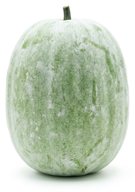
Bottle gourd
  • Ash gourd

    Use the same weight; peel, deseed and cut into similar pieces. It is firmer and slightly more watery, so add a little less water and cook 5 minutes longer.

  • Courgette

    Use the same weight; no need to peel. It cooks faster and releases water, so reduce the recipe liquid by about 10% and add it later.

  • Chayote

    Use the same weight; peel and remove the stone. It stays firmer, so cut it smaller and cook a few minutes longer.

Coriander leaf
  • Coriander

    Use equal weight finely chopped; this is the exact same fresh herb.

  • Mint

    Use half the weight finely chopped; provides vibrant green freshness, though the flavour profile becomes noticeably cooler and sharper.

Potato
  • Eggplant

    Use equal weight. Cut into large chunks; cooks down much faster (10-12 minutes) and softens into the sauce rather than staying starchy and firm.

  • Paneer

    Use 80% of the weight. Cube and add in the last 5-10 minutes of cooking; adds rich dairy protein instead of starchy bulk.

  • Dried chickpea

    Use 45% dry weight. Soak overnight and boil until fully soft before stirring into the sauce to simmer for 10 minutes.

Ghee
  • Unsalted butter

    Use 120% of the weight; melt gently over low heat to avoid burning the milk solids, which will yield a softer, creamier richness rather than a nutty aroma.

  • Vegetable oil

    Use 85% of the weight; holds high cooking temperatures without smoking, but the final dish will lack traditional dairy depth.

  • Mustard oil

    Use equal weight; heat to smoking point and cool slightly before cooking, bearing in mind it introduces an assertive, pungent edge.

Onion
  • Shallot

    Use equal weight, finely sliced. Shallots soften and brown faster, giving a slightly sweeter and more delicate base to curries.

  • Cabbage

    Use 80% of the weight, finely shredded and browned slowly with a pinch of asafoetida. Replicates the bulk and natural sweetness in gravies without allium.

Ginger
  • Fresh ginger

    Use equal weight; scrape off the skin and grate or finely julienne according to the recipe.

  • Ginger paste

    Use equal weight; stir straight into the sizzling aromatics, taking care as the extra moisture may spit.

  • Ground ginger

    Use 15 to 20% of the weight; add alongside ground spices, noting it imparts warm, dry heat rather than zesty freshness.

Green chilli
  • Chilli powder

    Use 10 to 15% of the weight (about 1/4 teaspoon per chilli); imparts dry pungent heat and reddens the dish without the grassy crunch.

  • Dried red chilli

    Use 1 dried pod per fresh green chilli; snap in half and temper in hot oil for a deeper, toastier heat.

Garlic
  • Garlic paste

    Use equal weight. Fry gently in oil or ghee with the ginger; incorporates smoothly into curries without visible minced bits.

  • Garlic powder

    Use 15% to 20% of the weight (about 1 g for every 5 to 6 g fresh cloves). Whisk into sauces; gives a savoury, toasted garlic flavour without raw pungency.

  • Shallot

    Use 1.5 times the weight, very finely minced. Sauté until golden; provides savoury allium sweetness, though it lacks garlic's pungent sulphur bite.

Fresh ginger
  • Ginger paste

    Use equal weight. Sauté in hot fat until the raw allium smell disappears; slightly wetter, but provides identical warmth and pungency.

  • Ground ginger

    Use 20% to 25% of the weight (1 g for every 4 to 5 g fresh). Stir into the gravy; adds peppery heat and warmth, though it misses the crisp, zesty kick of raw root.

Cumin seed
  • Ground cumin

    Use 70% of the weight; add with ground spices or sauce bases rather than hot oil tempering, where it scorches quickly and turns bitter.

  • Black cumin seeds

    Use equal weight for oil tempering. Delivers an earthy profile with an additional musky, smoky, and slightly bitter edge.

  • Fennel seed

    Use 60% of the weight for tempering; offers comparable warm aroma, but leans sweet and liquorice-like rather than savoury and earthy.

Coriander seeds
  • Ground coriander

    Use 75% of the weight; stir in along with wet masala or tomato purée rather than frying in hot oil, as the fine powder burns instantly.

  • Cumin seed

    Use 50% of the weight for tempering in hot oil. Lacks the floral, sweet citrus flavour of coriander, introducing warm, pungent earthiness instead.

  • Fennel seed

    Use 50% of the weight in tempering; provides pleasant aromatic sweetness, though noticeably aniseedy rather than citrusy.

Ground turmeric
  • Ground ginger

    Use 50% of the weight. Mimics turmeric's warm, earthy, rhizome background, but provides none of the golden-yellow colour.

  • Saffron

    Steep a tiny pinch (0.1 g per 2 g turmeric) in 2 tbsp warm water; use to match the rich golden hue. Contributes an aristocratic, honeyed floral flavour rather than earthy bitterness.

Tomato
  • Tomato purée

    Use 40% to 50% of the fresh tomato weight mixed with a splash of water. Imparts a deeper red colour, thicker sauce, and slightly sweeter cooked flavour.


  • Plain yogurt

    Use 60% of the weight, whisked smooth and added on low heat. Provides rich body and sourness, though the gravy becomes paler and creamier.

Similar dishes

Aloo ke Gutake
Potatoes Tempered with Cumin
It tastes earthy and pungent from the mustard oil and toasted cumin, lacking the rich, tangy sweetness provided by this dish's tomato and onion sauce.
  • Same: Aloo ke Gutake also features potatoes seasoned with cumin seeds, turmeric, and salt.
  • Different: Aloo ke Gutake is a dry preparation sautéed in mustard oil with dried red chillies, completely omitting the hollowed marrow, ghee, aromatics like ginger and garlic, and the tomato simmering gravy of this dish.
Aloo Matar Sookhe
Potatoes with Peas
Aloo Matar Sookhe tastes drier and milder with sweet pea notes, lacking the robust onion-garlic depth and tangy, saucy richness of this dish.
  • Same: Both dishes feature potatoes cooked with tomatoes, green chillies, cumin seeds, turmeric, and ghee.
  • Different: Aloo Matar Sookhe is a dry vegetable stir-fry with peas and mustard seeds, omitting the hollowed marrow, onions, garlic, ginger, and simmered tomato gravy found in this dish.
Uralaikizhan Sagu
Potato Curry with Coconut
Uralaikizhan Sagu tastes milder and coconut-creamy, while this dish tastes more tangy from tomato and richer from ghee.
  • Same: Uralaikizhan Sagu shares potato, onion, tomato, green chilli, ginger, turmeric, coriander seeds, cumin seed and salt with this dish.
  • Different: It uses coconut milk, poppy seeds, chana dal, urad dal, mustard seed, dried red chilli, fennel seed, cinnamon and curry leaf, while this dish uses bottle gourd, ghee and garlic and is stuffed and simmered in tomato gravy.
Uralikizhan Moru Kozhambu
Potato & Yoghurt Curry
It tastes mildly spiced and tart from yoghurt with a coconut background, while this dish is richer and tangier from tomato and ghee.
  • Same: Uralikizhan Moru Kozhambu shares potato, green chilli, ginger, turmeric and coriander leaf with this dish.
  • Different: It uses yogurt and fresh coconut with chana dal, fenugreek and mustard seeds, and lacks this dish's bottle gourd, onion, garlic, ghee, tomato, cumin and coriander seeds.