
Ande ka Achar
A fiery, tangy North Indian style pickle featuring whole hard-boiled eggs steeped in an aromatic, spiced oil and lime dressing.
Tempering seeds
2.5 gFried in oil first and set aside (step 1)Pickle paste and ground spices
356 gFried gently in the pan oil (step 3)Everything else

Method
- Warm about 15 g of the 456 g vegetable oil in a frying pan over medium heat. Tip in the tempering seeds and stir-fry for roughly 1 minute until they begin to pop, then remove from the heat and set aside.
- Pour the rest of the vegetable oil into a large, heavy-based pan set over medium heat. Add the 12 shelled eggs and fry for 2 to 3 minutes until lightly coloured, then transfer them onto a plate using a slotted spoon.
- Turn the heat down to low and stir the pickle paste and ground spices into the hot oil. Fry gently for 1 to 2 minutes, stirring continuously to prevent scorching.
- Return the eggs to the pan and cook for 3 to 4 minutes, coating them thoroughly in the masala. Stir in the reserved tempering seeds, then take the pan off the heat and leave the mixture to cool down completely.
- Stir in 517 g lime juice and season with salt to taste, mixing thoroughly. Spoon the pickle into clean, sterilized airtight jars and store in the fridge for up to 3 weeks.
Don't have something?


 Peanut oil
Use 1:1 by weight. Handles high-heat frying identically and introduces a very subtle, pleasant nuttiness.
 Ghee
Use 1:1 by weight. Yields a much richer, authentic aroma and a glossy, heavier mouthfeel.
 Mustard oil
Use 1:1 by weight. Heat until smoking, then cool slightly before cooking to temper its intensely pungent, sharp mustard kick.


 Black mustard seed
Use the same weight. The seeds are smaller and hotter; fry in hot oil until they pop, about 20–30 seconds, and reduce the heat if they darken too fast. The dish will be a little sharper.
 Yellow mustard seeds
Use the same weight. They are milder and larger; fry a few seconds longer until they pop. The finished dish will have less pungency.
 Ground mustard seed
Use 70% of the weight of whole seed, added with the other ground spices rather than fried whole. You lose the popping texture and the heat comes through more evenly.


- Mustard seed
Use 50% of the weight, crush or grind. Sharper heat and less maple-bitter; fry briefly in oil before adding.
 Caraway seeds
Use the same weight, crush lightly. Similar bitter-seed note but more aniseed; reduce other sweet spices slightly.
 Ajwain seeds
Use 25–30% of the weight, crush. Much stronger thyme-like flavour; do not overdo.


 Egg
Use the same weight, about 50 g per egg. Boil 9–10 minutes, cool and peel; exact substitute.
 Boiled egg white
Use the same weight. Leaner and less rich; mash with a little oil or yolk if the dish needs richness.
 Tofu
Use the same weight; press and cube. No egg flavour, so add 5 minutes before the end and adjust salt.


 Fresh ginger
Use equal weight; peel and grate very finely on a microplane or pound to a fine paste in a mortar.
 Ginger
Use equal weight; mince finely and crush with the flat of a knife before frying.
 Ground ginger
Use 20% of the weight; add directly with the dry spice powders, though it yields an earthier, less pungent profile.


 Garlic
Use equal weight; crush or finely grate to a smooth pulp to replicate the same fresh, pungent moisture in your base gravy.
 Garlic powder
Use 20 to 25% of the weight; mix with a teaspoon of water before adding to oil so it does not burn, noting it lacks the fresh bite.


 Red chilli powder
Use 100% of the weight. Provides direct, sharp heat and red colour in equal measure.
 Kashmiri chilli powder
Use 150% to 200% of the weight if matching colour, but add a pinch of black pepper or hot chilli if you need equivalent fiery heat.
 Cayenne pepper
Use 75% to 100% of the weight. Offers a sharp, clean heat with slightly less earthy depth and less crimson colour.


 Ground cloves
Use 1 g ground for 4 g whole (or 1 small pinch per 2 to 3 whole cloves). Add with spice powders; disperses intense warmth quickly, so use with restraint.
 Allspice berries
Use 100% of the weight whole in tempering. Imparts a warm, clove-like aromatic profile combined with hints of nutmeg and cinnamon.
 Black cardamom pod
Use 1 pod for 3 to 4 cloves in whole tempering. Shares a camphor-like warmth and medicinal depth, though it introduces a distinct smoky undertone.


 Ceylon cinnamon
True cinnamon: thinner, papery quills, milder and sweeter. Use about 1.5 times the weight, and taste.
 Ground cinnamon (cassia)
Use about a third of the weight (0.5 g ground for a 2.5 cm piece), stirred in with the ground spices rather than fried whole, since the powder burns quickly.
 Cassia buds
Use 60-70% of the weight; stronger and more peppery, so taste before adding more.


 Green cardamom seed
Use 35 to 40% of the total pod weight; lightly bruise the seeds before frying in oil to release their essential oils.
 Ground green cardamom
Use 20 to 25% of the pod weight (about 1 generous pinch per pod); stir in toward the end of cooking so the delicate floral notes do not dissipate.
 White cardamom pod
Use 1:1 by pod count or weight; crack gently before using, though it is slightly less intensely floral.



 Lemon juice
Use equal volume or weight; slightly sweeter and less pungent, but otherwise an imperceptible swap.
 Dried mango powder
Use 25% of the weight; imparts dry, fruity sourness, best stirred in right at the end of cooking.
 Tamarind extract
Use 50% of the weight; delivers pleasant fruity tang but turns pale sauces considerably darker.


Similar dishes
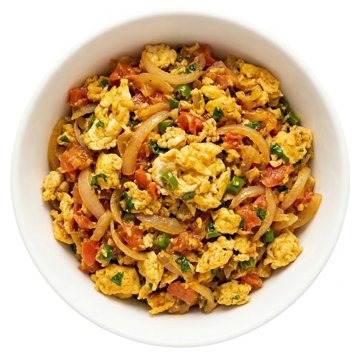
- Same: Khageena also uses eggs cooked in vegetable oil with ginger paste, garlic paste, and chilli powder.
- Different: Khageena scrambles the eggs with fresh onions, tomatoes, green chillies, and coriander using far less oil, lacking this dish's hard-boiled eggs, whole spices, and lime juice.

- Same: Gol Maas Kaachar shares ginger-garlic paste, chilli powder, and whole spices like cinnamon, clove, and green cardamom with this dish.
- Different: Instead of steeping hard-boiled eggs in vegetable oil and lime juice, Gol Maas Kaachar braises lamb in pungent mustard oil with onions, tomatoes, bay leaf, and yogurt.

- Same: Both use hard-boiled eggs with ginger-garlic paste and whole spices such as clove and cardamom.
- Different: Nargisi Kofte wraps the eggs in minced lamb with chickpea flour, fries them, and simmers them in a yogurt gravy with poppy seed paste, cumin, dried red chilli and kewra water, while this dish is a pickle of eggs in spiced oil and lime juice.

- Same: Bhagara Bhaath shares ginger paste, garlic paste, green cardamom, cinnamon, clove, and salt with this dish.
- Different: Bhagara Bhaath uses basmati rice, ghee, and onion and is fried then steamed, while this dish uses hard-boiled eggs, lime juice, chilli powder, mustard seed, fenugreek seed, and a large amount of vegetable oil as a pickle.