Indian cooking
Indian cooking / Dishes / Aloo Tikki
Aloo Tikki (Potato Patties)

Aloo Tikki

Potato Patties
Vegetarian●●●Origin Punjab/DelhiPrep 1 hour, plus cooling timeCook 5–10 minutesMakes 12

Crispy pan-fried potato cakes encasing a savoury, spiced green pea filling. They are golden and crunchy on the outside with tangy notes of amchoor, mint, and fresh green chilli.

Potato spices

38 gMixed into the mashed potato base (step 4)
01
8 g3 teaspoons
spice
03
4 g2 teaspoons
spice
04
8 g3 teaspoons
souring agent
06
3 g2 tablespoons
herb
Keep together to season the mashed potatoes.

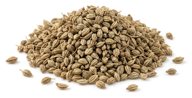
Tempering seeds

2.1 gFried in ghee for the pea filling (step 5)
01
2.1 g1 teaspoon
spice
Leave whole for the hot fat.

Pea filling spices

6 gStirred into the cooked pea filling off the heat (step 7)
01
3.9 g1½ teaspoons
souring agent
Stir together to blend.

Everything else

01
500 g
vegetable
02
14 g3 teaspoons
salt
03
Green chilli · Hari Mirchde-seeded and chopped
24 g4 chillies
vegetable
04
~1 g1 sprig
herb
05
Gheefor shallow-frying
to taste
oil/fat
06
to taste
salt
07
Pea · Matarshelled if fresh
250 g
vegetable
08
53 g4 tablespoons
oil/fat
09
Ginger · Adrakpeeled and finely chopped
12 g1 piece
aromatic
10
Green chilli · Hari Mirchde-seeded and chopped
24 g4 chillies
vegetable

Method

  1. Stir 0.3 g asafoetida into 2 tablespoons of water until dissolved and set aside.
  2. Boil 500 g potato in a pan of water for roughly 20 minutes until completely tender. Drain, allow to cool, strip away the skins, and mash smooth.
  3. Simmer 250 g pea in boiling water for 5 to 7 minutes until tender, then drain, mash coarsely, and set aside.
  4. Combine the mashed potatoes with the potato spices, 3 teaspoon black rock salt, salt to taste, 24 g green chilli, and 1 g coriander. Mix thoroughly, then partition into 12 equal balls.
  5. Heat 52.8 g ghee in a pan over medium heat, add the tempering seeds, and fry until they crackle.
  6. Add the reserved asafoetida water, 12 g ginger, and 24 g green chilli, cooking for a few seconds. Tip in the mashed peas and sauté until completely dry.
  7. Remove the pan from the heat, stir in the pea filling spices, adjust the seasoning, and leave to cool. Mash thoroughly and divide into 12 portions.
  8. Using damp hands, flatten each potato ball into a disc, place a portion of pea filling in the centre, fold the potato over to enclose it completely, and press into a 1 cm (½ in) thick patty.
  9. Melt a shallow layer of ghee in a heavy frying pan or flat griddle over medium heat. Fry the patties in batches for 3 to 5 minutes on each side until deeply browned and crisp, then drain on kitchen paper.

Don't have something?

Potato
  • Eggplant

    Use equal weight. Cut into large chunks; cooks down much faster (10-12 minutes) and softens into the sauce rather than staying starchy and firm.

  • Paneer

    Use 80% of the weight. Cube and add in the last 5-10 minutes of cooking; adds rich dairy protein instead of starchy bulk.

  • Dried chickpea

    Use 45% dry weight. Soak overnight and boil until fully soft before stirring into the sauce to simmer for 10 minutes.

Ground cumin
  • Cumin seed

    Dry-roast briefly and grind finely; use equal weight (1:1). Imparts an even punchier, nuttier, toasty aroma than pre-ground cumin.

  • Ground coriander

    Use equal weight (1:1). Adds mild, lemony sweetness rather than cumin's smoky, earthy bite; curries will taste lighter and less savoury.

  • Black cumin seeds

    Grind finely; use 60% to 75% of the weight. Produces a darker, more complex, smoky-herbal flavour suited to rich gravies.

Ground black pepper
  • Black peppercorn

    Use 1:1 by weight; pulverise in a spice mill or mortar to a fine powder for immediate, punchy heat.

  • Coarsely ground black pepper

    Use equal weight; offers the same bite, though it gives a visibly speckled finish and firmer crunch.

Ajwain seed
  • Carom seed

    Use the same weight; this is the same spice.

  • Cumin seed

    Use 75% of the weight, toasted; different, less medicinal flavour.

  • Fennel seed

    Use 50% of the weight, crushed; sweeter and milder.

Amchoor
  • Lemon juice

    Use 15 g (1 tbsp) for every 5 g of amchoor. Stir in at the very end off the heat; adds liquid and fresh citrus aroma rather than dry fruity tang.

  • Tamarind extract

    Use 75% of the weight, dissolved in a splash of warm water. Simmer briefly; darkens the gravy and provides a deeper, caramelised sourness.

Yellow chilli powder
  • Green chilli

    Use 100% of the weight, finely minced or ground into a smooth paste. Provides sharp heat while preserving the light colour of delicate kormas.

  • Kashmiri chilli powder

    Use 50% to 75% of the weight. It brings mild heat but will turn pale or white sauces noticeably orange-red.

  • Red chilli powder

    Use 50% of the weight. Gives strong, sharp heat, but will stain cream-based or yellow Mughlai gravies red.

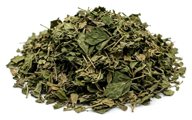
Dried mint
  • Mint

    Use 3 to 4 times the weight, finely chopped. Stir in towards the very end of cooking; provides a fresher, brighter herbal lift rather than deep, concentrated menthol.

  • Dried fenugreek leaves

    Use equal weight, crushed between your palms. Offers savoury, earthy bitterness rather than cooling mint, but works nicely in marinades and rich gravies.

Green chilli
  • Chilli powder

    Use 10 to 15% of the weight (about 1/4 teaspoon per chilli); imparts dry pungent heat and reddens the dish without the grassy crunch.

  • Dried red chilli

    Use 1 dried pod per fresh green chilli; snap in half and temper in hot oil for a deeper, toastier heat.

Coriander
  • Coriander leaf

    Use equal weight, chopped fresh and stirred in off the heat or used as garnish. Matches the citrus-herbal profile identically.

  • Mint

    Use 40% to 50% of the weight; chop finely and add at the very end. Adds fresh herbal brightness, but shifts the aroma toward cool menthol.

Ghee
  • Unsalted butter

    Use 120% of the weight; melt gently over low heat to avoid burning the milk solids, which will yield a softer, creamier richness rather than a nutty aroma.

  • Vegetable oil

    Use 85% of the weight; holds high cooking temperatures without smoking, but the final dish will lack traditional dairy depth.

  • Mustard oil

    Use equal weight; heat to smoking point and cool slightly before cooking, bearing in mind it introduces an assertive, pungent edge.

Asafoetida / garlic / onion powder
  • Garlic powder

    Use about 40% of the blend's weight as garlic powder, plus a pinch of asafoetida and onion powder if you have them. It gives the garlic note but lacks the onion sweetness.

  • Onion powder

    Use about 40% of the weight; it adds sweetness but not the pungent asafoetida hit.

  • Asafoetida

    Use only 5–10% of the blend's weight, fried in oil first. It gives the resinous aroma but not the garlic-onion body.

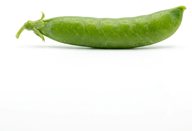
Pea
  • Green pea

    Use equal weight directly from fresh or frozen. Toss into the pan near the end of cooking to preserve sweetness and bright green colour.

  • Chana dal

    Use 70% of the weight, boiled until tender but holding shape. Adds pleasant body and starch, though it lacks the juicy sweetness of fresh peas.

Cumin seed
  • Ground cumin

    Use 70% of the weight; add with ground spices or sauce bases rather than hot oil tempering, where it scorches quickly and turns bitter.

  • Black cumin seeds

    Use equal weight for oil tempering. Delivers an earthy profile with an additional musky, smoky, and slightly bitter edge.

  • Fennel seed

    Use 60% of the weight for tempering; offers comparable warm aroma, but leans sweet and liquorice-like rather than savoury and earthy.

Ginger
  • Fresh ginger

    Use equal weight; scrape off the skin and grate or finely julienne according to the recipe.

  • Ginger paste

    Use equal weight; stir straight into the sizzling aromatics, taking care as the extra moisture may spit.

  • Ground ginger

    Use 15 to 20% of the weight; add alongside ground spices, noting it imparts warm, dry heat rather than zesty freshness.

Similar dishes

Aloo Matar Sookhe
Potatoes with Peas
It has an earthy, lightly spiced flavor with mild tomato acidity, lacking the sharp amchoor tang and minty heat of this dish.
  • Same: Aloo Matar Sookhe shares a foundation of potatoes and green peas seasoned with cumin seeds and fresh green chillies.
  • Different: Rather than pan-fried stuffed patties, it is a loose, stir-fried sabzi cooked with tomatoes, turmeric, and mustard seeds, omitting the amchoor, ajwain, ginger, and mint found in this dish.
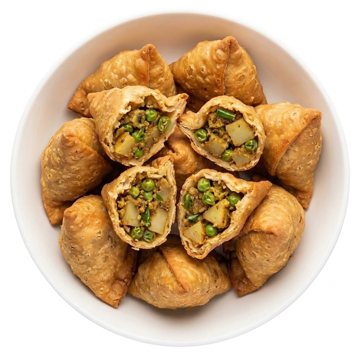
Samosa
Samosas
Samosa tastes earthier and warmer from turmeric and coriander, lacking the sharp, tangy sourness of amchoor and dried mint present in this dish.
  • Same: Samosa shares a core filling of potatoes and peas seasoned with cumin, ginger, and green chillies.
  • Different: Instead of being a pan-fried potato patty, Samosa encloses the filling in a pastry shell deep-fried in vegetable oil and uses turmeric and coriander rather than amchoor, mint, and ajwain.
Aloo Tikki Awadhi
Potato & Pea Patties
Aloo Tikki Awadhi has a warmer, more balanced spice profile served with sweet mango chutney, lacking the herbal mint punch and sharp amchoor tartness of this dish.
  • Same: Aloo Tikki Awadhi also pairs potatoes and green peas in pan-fried patties seasoned with cumin, fresh ginger, and green chillies.
  • Different: Aloo Tikki Awadhi uses garam masala, ground coriander, and chaat masala instead of the ajwain, dried mint, black rock salt, and yellow chilli powder used in this dish, and can be cooked in vegetable oil rather than pure ghee.
Aloo Matar Rasedar
Potatoes & Peas in Sauce
It tastes warm, saucy, and tomato-rich, lacking the sharp, fruity tang of amchoor and the crisp fried texture of this dish.
  • Same: Both dishes feature potatoes and green peas seasoned with cumin and chilli.
  • Different: Aloo Matar Rasedar simmers the vegetables into a tomato-based gravy seasoned with asafoetida, clove, and Kashmiri garam masala, rather than shaping them into pan-fried patties seasoned with amchoor, ajwain, and mint.