Indian cooking
Zarda (Sweet Yellow Rice)

Zarda

Sweet Yellow Rice
VegetarianOrigin Awadh/DelhiPrep 1 hourCook 45 minutes

Zarda is an aromatic, festive Indian sweet rice perfumed with whole spices and saffron, simmered in sugar syrup and enriched with ghee, khoya, and dried fruit.

Saffron infusion

0.3 gSteeped in milk (step 1)
01
0.3 g½ teaspoon
spice
Keep whole to infuse in the milk.

Whole spices for the stock

11 gSimmered in water to create the aromatic stock (step 3)
Keep whole.

Everything else

01
15 g1 tablespoon
dairy
03
3.8 g¾ teaspoon
souring agent
04
500 g
grain
05
Gheemelted
100 g
oil/fat
06
30 g2 tablespoons
liquid
07
150 g
dairy
09
36 g4 tablespoons
nut/seed
10
30 g4 tablespoons
nut/seed
11
27 g3 tablespoons
fruit

Method

  1. Combine 0.3 g saffron (the saffron infusion) with 15.3 g milk in a small bowl and leave aside to steep.
  2. Dissolve 1000 g granulated sugar in 2 litres of water in a deep pan set over low heat, stirring continuously. Turn up the heat to bring the liquid to a boil and skim away any froth that gathers on the surface until the syrup reaches a one-thread consistency. Mix in 3.8 g lime juice, then take the pan off the heat.
  3. Bring 2 litres of water to a boil in a separate large pot, then add 10 cardamom pods and the whole spices for the stock (the masala). Simmer over medium heat for 15 minutes, then pour the broth through a fine sieve into a bowl, discarding the spent spices.
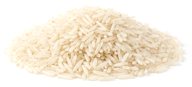
  4. Transfer the strained spiced broth back to the pot, add 500 g basmati rice, rinsed and drained, and bring to a boil. Parboil the grains for 10 minutes, drain well, and spoon the rice into a clean heavy cooking pot.
  5. Pour the prepared sugar syrup over the rice and boil steadily for 1 minute. Cover the pot with a tight-fitting lid, crimping 150 g dough, for sealing the lid around the rim to make an airtight seal. Bake in a low oven at 140°C (275°F) for 30 minutes until the grains are tender.
  6. Crack open the dough seal and remove the lid. Drizzle 100 g ghee, melted and the steeped saffron milk across the rice, fluffing the grains gently with a fork. Sprinkle over 2 tablespoons kewra water and 150 g khoya, grated and fried. Turn out onto a serving dish and finish with 4 tablespoons almonds, 4 tablespoons pistachios, 3 tablespoons raisin, and 4 pieces edible silver leaf.

Don't have something?

Saffron
  • Ground turmeric

    Use 15% of the saffron's weight. Replicates the bright yellow colour well, but lacks the floral, earthy depth; use sparingly to avoid bitterness.

  • Screwpine water or rosewater

    Use a few drops combined with a tiny pinch of ground turmeric to mimic both the regal floral aroma and the golden hue.

Milk
  • Whole milk

    Use equal weight; provides the standard rich dairy fat and body expected in creamy Indian bases.

  • Single cream

    Dilute 3 parts cream with 1 part water to match the weight; yields a richer, glossier gravy that resists curdling.

  • Plain yogurt

    Whisk thoroughly and use equal weight; adds extra body and a mild pleasant acidity, best added off the heat.

Granulated sugar
  • Jaggery

    Use equal weight; grate or shave finely so it dissolves rapidly, giving a warm, caramel-like sweetness and slightly darker sauce.

Lime juice
  • Lemon juice

    Use equal volume or weight; slightly sweeter and less pungent, but otherwise an imperceptible swap.

  • Dried mango powder

    Use 25% of the weight; imparts dry, fruity sourness, best stirred in right at the end of cooking.

  • Tamarind extract

    Use 50% of the weight; delivers pleasant fruity tang but turns pale sauces considerably darker.

Clove
  • Ground cloves

    Use 1 g ground for 4 g whole (or 1 small pinch per 2 to 3 whole cloves). Add with spice powders; disperses intense warmth quickly, so use with restraint.

  • Allspice berries

    Use 100% of the weight whole in tempering. Imparts a warm, clove-like aromatic profile combined with hints of nutmeg and cinnamon.

  • Black cardamom pod

    Use 1 pod for 3 to 4 cloves in whole tempering. Shares a camphor-like warmth and medicinal depth, though it introduces a distinct smoky undertone.

Cassia bark
  • Ceylon cinnamon

    True cinnamon: thinner, papery quills, milder and sweeter. Use about 1.5 times the weight, and taste.

  • Ground cinnamon (cassia)

    Use about a third of the weight (0.5 g ground for a 2.5 cm piece), stirred in with the ground spices rather than fried whole, since the powder burns quickly.

  • Cassia buds

    Use 60-70% of the weight; stronger and more peppery, so taste before adding more.

Green cardamom pod
  • Green cardamom seed

    Use 35 to 40% of the total pod weight; lightly bruise the seeds before frying in oil to release their essential oils.

  • Ground green cardamom

    Use 20 to 25% of the pod weight (about 1 generous pinch per pod); stir in toward the end of cooking so the delicate floral notes do not dissipate.

  • White cardamom pod

    Use 1:1 by pod count or weight; crack gently before using, though it is slightly less intensely floral.

Black cardamom pod
  • Ground black cardamom

    Use 0.5 g of ground seeds for each whole pod. Stir directly into the curry base; delivers identical smoky flavour without woody husks.

  • Green cardamom pod

    Use equal pod count or weight. Crack slightly and fry whole; tastes sweet, menthol-fresh, and floral rather than dark and smoky.

Basmati rice
  • Plain boiled rice

    Use 2.5 times the weight if substituting pre-cooked rice. Fold in gently at the end of the recipe; grains will be shorter and less fragrant.

Ghee
  • Unsalted butter

    Use 120% of the weight; melt gently over low heat to avoid burning the milk solids, which will yield a softer, creamier richness rather than a nutty aroma.

  • Vegetable oil

    Use 85% of the weight; holds high cooking temperatures without smoking, but the final dish will lack traditional dairy depth.

  • Mustard oil

    Use equal weight; heat to smoking point and cool slightly before cooking, bearing in mind it introduces an assertive, pungent edge.

Kewra water
  • Rosewater

    Use 75-100% of the weight, added off the heat. Floral but rose-scented, not screwpine.

  • Rose syrup

    Use 50-60% of the weight and reduce sugar by about the same amount. Sweet and pink-rose flavoured.

  • Saffron thread

    Steep 2-3 threads in 10 ml warm milk for every 10 g kewra water. Different, richer aroma.

Khoya
  • Whole milk

    Use 4 times the weight of milk; simmer and stir continuously in a wide heavy pan until reduced to a dense, fudgy paste.

  • Paneer

    Use equal weight of finely crumbled or grated paneer mixed with 15% single cream; gives similar body but a less caramelised, milk-solid flavour.

  • Single cream

    Simmer gently until heavily reduced, or stir in directly at 70% weight; produces rich gravies without the granular bite of khoya.

Dough
  • Plain boiled rice

    If dough was intended to accompany a curry (such as flatbreads), serve equal cooked weight of rice instead.

Almond
  • Cashew nut

    Use equal weight. Soak in warm water and grind to a paste or fry identically; yields a slightly creamier and sweeter sauce.

  • Shelled peanut

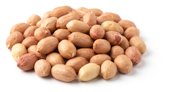
    Use equal weight. Lightly roast, skin, and grind; introduces a heavier body and a pronounced roasted-nut aroma.

Unsalted pistachio nut
  • Pistachio

    Use the same weight; check for salt and adjust the recipe's salt.

  • Almond

    Use the same weight; toast lightly before chopping. It is milder but works for garnishes and pastes.

  • Cashew nut

    Use the same weight; grind with a little water for pastes. It is softer and sweeter.

Raisin
  • Dried plum

    Use equal weight, pitted and finely chopped. Lends a deeper, slightly more tart sweetness to curries and rice dishes.

  • Cashew nut

    Use equal weight. Fry lightly in ghee until golden; substitutes the burst of sweetness with a rich, buttery crunch.

  • Jaggery

    Use 30% of the weight, finely grated. Dissolve straight into the sauce to match the intended sweetness, though without the fruity chew.

Edible silver leaf
  • Edible gold leaf

    Use the same amount to cover the same surface. Purely decorative; only the colour changes.

  • Silver leaf

    Use the same amount if it is food-grade. Same decorative effect.

Similar dishes

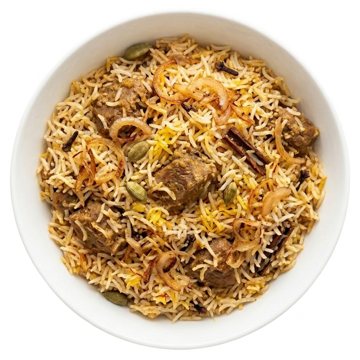
Qorma Pulao
Curried Lamb Pulao
Qorma Pulao is savory, rich with meat, and mildly tangy, completely contrasting with the intense sweetness of this dessert dish.
  • Same: Both dishes slow-steam basmati rice sealed with dough, perfumed by saffron steeped in milk, cinnamon sticks, and cloves.
  • Different: Qorma Pulao incorporates curried mutton, fried onions, yogurt, and green cardamom, omitting the large amount of sugar syrup, khoya, raisins, black cardamom, and heavy measure of ghee used in this dish.
Qabooli
Rice & Dried Fruit Kedgeree
Qabooli is savory, lightly tangy, and salted, unlike this intensely sweet, syrup-soaked dish.
  • Same: Both dishes are based on basmati rice enriched with ghee and milk, and scented with saffron, cinnamon sticks, and cloves.
  • Different: Qabooli includes onions, yogurt, and green cardamom, whereas it completely omits the sugar, khoya, raisins, dough, lime juice, and black cardamom found in this dish.
Zafrani Pulao
Saffron Rice
Zafrani Pulao tastes savory and aromatic from stock and spices, whereas this dish is sweet, rich, and perfumed with saffron and kewra.
  • Same: Zafrani Pulao shares rice, saffron, ghee, and whole spices like clove, green cardamom, and cinnamon with this dish.
  • Different: Zafrani Pulao is cooked with chicken stock, onion, garlic paste, turmeric, and salt, while this dish uses sugar, lime juice, khoya, kewra water, almonds, pistachios, raisins, and edible silver leaf.
Bhagara Bhaath
Fried Savoury Rice
Bhagara Bhaath tastes warm, rich, and savoury, whereas this dish is sweet, aromatic, and festive.
  • Same: Bhagara Bhaath shares basmati rice, ghee, and whole spices such as green cardamom, cinnamon, and clove with this dish.
  • Different: Bhagara Bhaath adds onion, ginger paste, garlic paste, and salt and is fried then steamed, while this dish uses sugar, saffron, milk, lime juice, kewra water, khoya, dried fruit, dough, and silver leaf and is simmered in sugar syrup.