
Spiced Cod’s Roe with Telicherry Roti & Pickled Shallots
A smoky, smooth cod roe spread sharpened with lime and cumin, served with peppery chapattis and quick-pickled shallots. It tastes rich and tangy with a warm pepper kick.
Cumin masala
13 gStirred into the blended roe (step 4)Chapati pepper masala
50 gMixed into the chapati dough (step 5)Everything else

Method
- Put 200 g banana shallot into 199 g pickling liquor and leave at room temperature for 1–2 hours, then refrigerate until needed.
- Cut the membrane away from 500 g smoked cod roe and put the roe into a blender; throw away the membrane.
- Press the water out of 100 g sourdough bread, add it to the blender, and blend at low speed while pouring in 183 g extra virgin olive oil in a thin stream until smooth.
- Scrape the roe mixture into a bowl and stir in the cumin masala, 50 g lime juice, 0.3 g caster sugar and 0.3 g sea salt; taste and add more seasoning if needed.
- Mix the chapati pepper masala into 30 g chapati dough, then roll the dough into 8 circles.
- Cook the chapattis on a hot dry tawa or wide frying pan for 2 minutes on each side.
- Spoon out the spiced cod’s roe, top with the pickled shallots and scatter over 50 g chervil leaves; serve with the warm chapattis.
Don't have something?


 Smoked haddock
Use the same weight; flake it and add near the end. Milder, softer, and cooks faster than roe.
 Cod fillet
Use the same weight; cube and simmer until just cooked. Not smoked, so add paprika and a little extra salt.
 Cod
Use the same weight; cut into chunks and cook briefly. Not smoked; add paprika for colour.


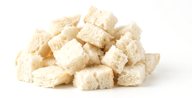 Soft white bread
Use the same weight; toast or dry it first to firm it up, but it will lack the sour tang and chewy crust.
- White bread
Use the same weight; it is softer and less sour, so reduce any liquid slightly if the bread is soaking in the dish.
 Bread
Use the same weight; choose the firmest loaf available and toast it for more structure.


 Vegetable oil
Use the same weight for cooking; neutral and cheaper, but you lose the fruity olive flavour.
 Mustard oil
Use the same weight, but heat it to smoking point and cool slightly first; it adds a pungent Indian mustard note.
 Ghee
Use 90% of the weight; richer and nutty, good for Indian cooking but not for cold dressings.


 Ground cumin
Use 70% of the weight; add with ground spices or sauce bases rather than hot oil tempering, where it scorches quickly and turns bitter.
 Black cumin seeds
Use equal weight for oil tempering. Delivers an earthy profile with an additional musky, smoky, and slightly bitter edge.
 Fennel seed
Use 60% of the weight for tempering; offers comparable warm aroma, but leans sweet and liquorice-like rather than savoury and earthy.


 Lemon
Use the same weight; sharper and less floral, so reduce any extra souring slightly.
 Lemon juice
Use about 30 g juice per lime (2 tbsp), strain pips; add at the end for fresh sourness.
 Dried mango powder
Use 1 g amchoor for about 15 g lime juice; add early with spices; gives dry mango sourness, not citrus aroma.


 Granulated sugar
Use the same weight. It is slightly coarser, so stir a little longer to dissolve; in baking, grind briefly if a fine texture matters.
 Demerara sugar
Use the same weight, but dissolve it earlier as it is coarser. It adds a light caramel note and a little colour.
 Ground jaggery or soft brown sugar
Use the same weight; crush or grate jaggery first. It darkens the dish and adds molasses flavour, so reduce other liquid slightly.


 Coriander leaf
Use the same weight, chopped, added at the end. It is milder and lacks chervil's anise note; add a pinch of fennel seed if you want that hint.
 Dill leaves
Use 50–70% of the weight, chopped. Dill is stronger and more aniseed-like; add it late so it does not overpower the dish.
 Coriander leaves
Use the same weight as a mild green herb. The dish will lose the delicate anise-parsley character but stay fresh and green.


 Black peppercorn
Use the same weight. Slightly less fruity and large, but the closest everyday match.
 Cracked black peppercorn
Use the same weight; coarser texture and a little less aroma. Good for finishing.
 White peppercorn
Use 90% of the weight; sharper and less aromatic. Best in light-coloured dishes.


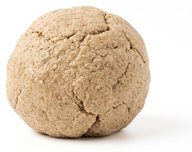
 Chapatti flour
Mix the same weight of chapatti flour with water to a soft dough and rest 20 minutes. This is the plainest equivalent; add a little oil if the recipe's dough seems richer.
- Whole wheat flour
Use the same weight, add water gradually and rest 20 minutes. It behaves like chapati dough but may need a little more water if coarsely ground.
 Naan dough
Use the same weight, but it is yeasted and softer. Rest as needed and expect a puffier, breadier result; reduce resting if the recipe wants a firm chapati.







 White vinegar
Use 70% of the weight, make up the rest with water, and add a little granulated sugar if the liquor was sweet. Sharper and thinner.
 White wine vinegar
Use at 70% of the weight with water. Milder and fruitier than pickling liquor.
 Malt vinegar
Use at 60% of the weight with water; stronger and maltier, so reduce any other vinegar in the dish.


Similar dishes
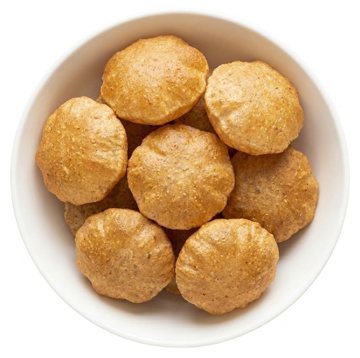
- Same: Puris shares a warm wheat-flour bread role with this dish’s Telicherry roti, and both use flour and oil.
- Different: Puris lacks the smoked cod roe, lime, cumin, Tellicherry pepper, shallots, chervil and pickling liquor in this dish; it is a plain deep-fried dough of wholemeal flour, salt, vegetable oil and water.

- Same: Phulkas shares a wheat flatbread element with this dish, which includes a Tellicherry roti made from chapati dough.
- Different: Phulkas uses only chapatti flour, ghee, salt and water, so it lacks this dish's smoked cod roe, lime, cumin, chervil, peppercorns and pickled shallots; it is a plain griddle bread cooked until puffed, not a roe pâté with pickles.
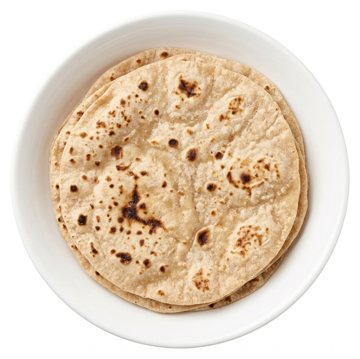
- Same: Chapati shares a flatbread component with this dish, since both use a simple flour-and-water dough with salt and fat cooked on a hot pan.
- Different: Chapati lacks the smoked cod roe, lime, cumin, chervil, pickled shallots, sourdough, olive oil, and Tellicherry pepper in this dish, and it uses wholewheat or plain flour with vegetable oil instead of a pâté-and-pickle setup.
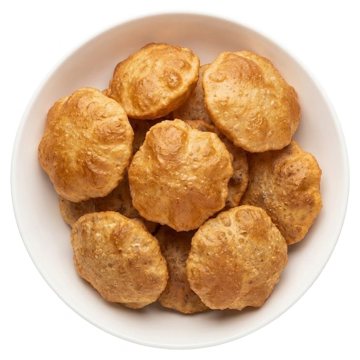
- Same: Puris shares a wheat-flatbread element with this dish, since both use chapati dough or chapatti flour.
- Different: Puris uses only chapatti flour, vegetable oil, oil and salt and is deep-fried, while this dish uses smoked cod roe, olive oil, cumin, lime, Tellicherry peppercorn, chervil, shallots and pickling liquor and serves roti with roe pâté and pickles.