Indian cooking
Indian cooking / Dishes / Sikampoor Kebab (II)
Sikampoor Kebab (II) (Lamb Patties)

Sikampoor Kebab (II)

Lamb Patties
Non-vegetarian●●●Origin AwadhPrep 1 hour, plus cooling timeCook 10–20 minutes

Tender spiced lamb patties stuffed with a piquant onion filling, deep-fried until deeply browned and crisp on the outside.

Whole simmering spices

6 gAdded to the pan with the meat and lentils (step 1)
01
2.1 g1 teaspoon
spice
03
2.6 g2 pieces
spice
04
0.4 g5 cloves
spice
Keep whole; they cook down with the lamb.

Chilli seasoning

2.6 gWorked into the processed meat paste (step 3)
01
2.6 g1 teaspoon
spice
Stir directly into the puree.

Everything else

02
Chana dalrinsed and drained
50 g4 tablespoons
legume
03
30 g10 cloves
aromatic
04
Vegetable oil · Telplus more for deep frying
27 g2 tablespoons
oil/fat
05
31 g2 tablespoons
souring agent
06
to taste
salt
07
Onion · Pyazfinely chopped
20 g2 tablespoons
vegetable
08
Mint · Pudinalarge, chopped
~1 g1 sprig
herb
09
Green chilli · Hari Mirchde-seeded and chopped
24 g4 chillies
vegetable
10
~0.3 gpinch
salt

Method

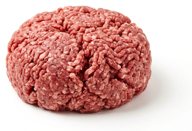
  1. Place 500 g ground lamb, 50.4 g chana dal, 30 g garlic, the whole simmering spices, and 175 g water into a wide pot. Bring to a rolling boil, then lower the heat to medium and simmer until all the liquid has fully boiled away and the mixture is dry, approximately 45 minutes.
  2. Stir in 27 g vegetable oil and sauté over medium heat for 2 to 3 minutes. Take the pan off the heat and let the mixture cool completely.
  3. Transfer the cooled mixture to a food processor and blend into a smooth paste. Return the meat paste to the pot, combine with 30.6 g lemon juice, the chilli seasoning, and salt to taste, then divide the seasoned paste into 8 equal spheres.
  4. In a separate bowl, stir together 2 tablespoon onion, 1 g None, 24 g green chilli, and 0.3 g salt, then partition the filling into 8 small portions.
  5. Wet your palms and press a meat ball flat. Spoon a portion of filling into the middle, fold the edges over to seal it completely, and press into a smooth, round patty. Repeat with the remaining portions.
  6. Heat a generous quantity of vegetable oil in a deep pan to 180°C (350°F). Fry the patties in batches for roughly 5 minutes per side until rich dark brown, then lift out to drain on kitchen paper.

Don't have something?

Ground lamb
  • Chicken

    Use minced chicken (preferably dark thigh meat) at 100% of the weight. Halve the browning and simmering time; add an extra tablespoon of ghee or oil as chicken is much leaner than lamb.

  • Pork

    Use ground pork at 100% of the weight. Cook for similar times as lamb; produces a sweeter, milder gravy without the robust gamey flavour.

Chana dal
  • Yellow split peas

    Use 100% of the weight. Soak for at least 1 hour; takes about 10 minutes longer to cook through and has a marginally earthier flavour.

  • Pigeon peas

    Use 100% of the weight. Reduces cooking time by about 10 minutes and breaks down softer, giving a smoother consistency rather than distinct grains.

  • Black gram

    For tempering or tadka only: use 70% of the weight. Browns faster in hot oil, providing a nutty, crunchy bite.

Garlic
  • Garlic paste

    Use equal weight. Fry gently in oil or ghee with the ginger; incorporates smoothly into curries without visible minced bits.

  • Garlic powder

    Use 15% to 20% of the weight (about 1 g for every 5 to 6 g fresh cloves). Whisk into sauces; gives a savoury, toasted garlic flavour without raw pungency.

  • Shallot

    Use 1.5 times the weight, very finely minced. Sauté until golden; provides savoury allium sweetness, though it lacks garlic's pungent sulphur bite.

Black cumin seed
  • Nigella seeds

    Use the same weight; in Indian cooking this is usually the same seed. Toast lightly if the recipe asks for toasted.

  • Kalonji seed

    Use the same weight; it is another name for nigella. Add whole or crush lightly.

  • Cumin seed

    Use about 75% of the weight and toast before use; the flavour is different, more warm and less onion-like.

Green cardamom pod
  • Green cardamom seed

    Use 35 to 40% of the total pod weight; lightly bruise the seeds before frying in oil to release their essential oils.

  • Ground green cardamom

    Use 20 to 25% of the pod weight (about 1 generous pinch per pod); stir in toward the end of cooking so the delicate floral notes do not dissipate.

  • White cardamom pod

    Use 1:1 by pod count or weight; crack gently before using, though it is slightly less intensely floral.

Cassia bark
  • Ceylon cinnamon

    True cinnamon: thinner, papery quills, milder and sweeter. Use about 1.5 times the weight, and taste.

  • Ground cinnamon (cassia)

    Use about a third of the weight (0.5 g ground for a 2.5 cm piece), stirred in with the ground spices rather than fried whole, since the powder burns quickly.

  • Cassia buds

    Use 60-70% of the weight; stronger and more peppery, so taste before adding more.

Clove
  • Ground cloves

    Use 1 g ground for 4 g whole (or 1 small pinch per 2 to 3 whole cloves). Add with spice powders; disperses intense warmth quickly, so use with restraint.

  • Allspice berries

    Use 100% of the weight whole in tempering. Imparts a warm, clove-like aromatic profile combined with hints of nutmeg and cinnamon.

  • Black cardamom pod

    Use 1 pod for 3 to 4 cloves in whole tempering. Shares a camphor-like warmth and medicinal depth, though it introduces a distinct smoky undertone.

Vegetable oil
  • Peanut oil

    Use 1:1 by weight. Handles high-heat frying identically and introduces a very subtle, pleasant nuttiness.

  • Ghee

    Use 1:1 by weight. Yields a much richer, authentic aroma and a glossy, heavier mouthfeel.

  • Mustard oil

    Use 1:1 by weight. Heat until smoking, then cool slightly before cooking to temper its intensely pungent, sharp mustard kick.

Lemon juice
  • Lime juice

    Use equal volume or weight; delivers almost identical sharp acidity with a faintly more aromatic, bitter-edged profile.

  • Dried mango powder

    Use 25% of the weight (about 1 g amchoor for 4 g juice); provides clean fruity tartness without thinning the sauce.

  • White vinegar

    Use 75% of the volume; gives direct sourness without any citrus floral fragrance.

Chilli powder
  • Red chilli powder

    Use 100% of the weight. Provides direct, sharp heat and red colour in equal measure.

  • Kashmiri chilli powder

    Use 150% to 200% of the weight if matching colour, but add a pinch of black pepper or hot chilli if you need equivalent fiery heat.

  • Cayenne pepper

    Use 75% to 100% of the weight. Offers a sharp, clean heat with slightly less earthy depth and less crimson colour.

Onion
  • Shallot

    Use equal weight, finely sliced. Shallots soften and brown faster, giving a slightly sweeter and more delicate base to curries.

  • Cabbage

    Use 80% of the weight, finely shredded and browned slowly with a pinch of asafoetida. Replicates the bulk and natural sweetness in gravies without allium.

Mint
  • Dried mint

    Use about 30% of the weight of fresh mint. Rub between your palms to crush before stirring in; the flavour will be more intensely herbal and less bright.


  • Coriander leaf

    Use equal weight, finely chopped. Adds fresh citrusy green notes, but lacks the cooling menthol lift.

Green chilli
  • Chilli powder

    Use 10 to 15% of the weight (about 1/4 teaspoon per chilli); imparts dry pungent heat and reddens the dish without the grassy crunch.

  • Dried red chilli

    Use 1 dried pod per fresh green chilli; snap in half and temper in hot oil for a deeper, toastier heat.

Similar dishes

Shami Kebab
Classic Kebabs
Shami Kebab tastes smokier and more pungent from black cardamom, peppercorns, and tamarind pickle rather than the citrusy lemon and raw onion bite of this dish.
  • Same: Both dishes are patties made from lamb bound with chana dal, spiced with green cardamom, cinnamon, and cloves, and fried in vegetable oil.
  • Different: Shami Kebab incorporates masoor dal, black cardamom, black peppercorn, ginger, and tamarind pickle, but lacks the garlic, black cumin, and stuffed onion center of this dish.
Dalcha Gosht
Lamb with Lentils
Dalcha Gosht is saucier, richer, and distinctly more tart from the yogurt and heavy lemon juice, lacking the crisp, concentrated exterior of this dish.
  • Same: Dalcha Gosht also combines lamb and chana dal seasoned with lemon juice, garlic, green chillies, cinnamon, cloves, green cardamom, and chilli powder.
  • Different: Instead of shaping ground meat into deep-fried patties using vegetable oil, Dalcha Gosht slow-cooks whole cuts of lamb with much more chana dal in ghee, adding yogurt, ginger, turmeric, black cardamom, and curry leaves.
Khare Maash ki Dal
Savoury Split Black Lentil Dal
Khare Maash ki Dal tastes earthy, savoury, and creamy rather than meaty, crisp, and tangy.
  • Same: Both dishes use vegetable oil, onions, garlic, green chillies, chilli powder, and a spice blend of cinnamon, cloves, and green cardamom.
  • Different: Khare Maash ki Dal is a stovetop urad lentil dish finished with single cream and ginger, whereas this dish consists of deep-fried ground lamb and chana dal patties flavored with lemon juice.
Sikampoor Kebab (I)
Stuffed Lamb Kebabs
Sikampoor Kebab (I) has an earthier, tamarind-infused tang, whereas this dish tastes sharper with garlic, warm whole spices, and fresh lemon juice.
  • Same: Sikampoor Kebab (I) is also a spiced lamb and chana dal patty stuffed with onion and deep-fried in vegetable oil.
  • Different: Sikampoor Kebab (I) adds black cardamom, turmeric, coriander leaves, and Chintapandu Thokku, whereas this dish uses garlic, black cumin, cinnamon, cloves, and lemon juice.