
Machu Rasin Chisik
A savoury, tart meat stew of slow-cooked beef braised with fresh sorrel leaves and finished with alkaline water for a distinct, rich texture.
Ingredients

Method
- Place a heavy-based pot over low heat and add 1000 g beef without oil or water. Cook for 15 minutes, stirring continuously, until all the liquid released by the meat has fully evaporated.
- Pour in 250 ml water and stir continuously as it simmers until completely dry. Repeat this process with 250 ml water at a time until the beef is tender, taking about 40 minutes in total.
- Toss in 3 spring onions, 18 g green chilli, and 5 sorrel leaves, frying them with the meat for 2 minutes.
- Pour in 500 ml water and bring it to a boil. Pour in 1 teaspoon alkaline water, then turn the heat down and leave the stew to simmer for 15 minutes.
- Season with salt to taste and stir in 0.3 g bicarbonate of soda. Cook for a few minutes more until the liquid reduces into a thick sauce.
Don't have something?


 Paneer
Use the same weight; cut into cubes and add only for the last 10 minutes. It will not take long cooking and gives a mild, milky result.
 Potato
Use the same weight; peel, cube and parboil, then add 20 minutes before the end. Gives a starchy body but no meaty flavour.
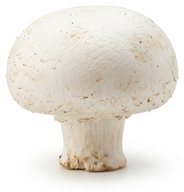 Button mushroom
Use the same weight; halve or quarter and add 10 minutes before the end. Juicy and savoury, but cooking time is much shorter than beef.


 Spring onion green
Use the same weight; use only the green parts, so the dish loses some of the white onion base.
 Onion
Use 60% of the weight, finely sliced; stronger and sharper, so cook it down more.
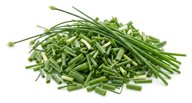 Chive
Use the same weight; milder and best added late or as a garnish, not as a cooked base.


 Chilli powder
Use 10 to 15% of the weight (about 1/4 teaspoon per chilli); imparts dry pungent heat and reddens the dish without the grassy crunch.
 Dried red chilli
Use 1 dried pod per fresh green chilli; snap in half and temper in hot oil for a deeper, toastier heat.


 Sorrel leaves
Use the same weight; remove coarse stalks. Cook as directed.
 Spinach
Use the same weight; remove stalks. It is less sour, so add lemon juice to taste at the end.
 Spinach leaf
Use the same weight; chop if large. Add lemon juice to replace sorrel's sharpness.


 Bicarbonate of soda
Dissolve 0.5% of the water weight, e.g. 0.5 g per 100 g water; use as the alkaline water. Measure carefully.
 Baking soda
Dissolve 0.5% of the water weight; same effect. Do not add extra salt.
 Soda water
Use the same weight, but it is only weakly alkaline; add a pinch of bicarbonate of soda if the recipe needs real alkalinity.


- Baking soda
Use the same weight; it is the same ingredient under another name.
 Baking powder
Use about 3 g baking powder for 1 g bicarbonate of soda; it already contains acid, so expect slight extra rise and a different taste in baking.
- Alkaline water
Only for soaking or tenderising, not baking; use enough to cover and expect a much weaker effect.

Similar dishes

- Same: Both dishes use tart sorrel leaves as their souring agent paired with spicy green chillies.
- Different: Gongura Pachadi is an oil-tempered vegetarian condiment made with sesame seeds, urad dal, curry leaves, and spices like cumin and coriander, rather than a beef stew braised with alkaline water.
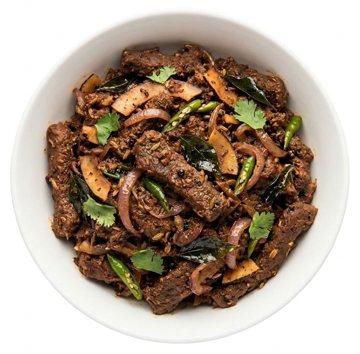
- Same: Keralan Beef Chilli Fry and this dish are both beef dishes with green chilli and salt, and both have a sour element.
- Different: Keralan Beef Chilli Fry is dry-fried with vinegar, tamarind paste, desiccated coconut, red onion, garlic and ginger paste, curry leaves, vegetable oil and ground spices like fennel, cassia, clove, cardamom and peppercorn, while this dish is a slow-cooked braise with spring onion, sorrel leaves, alkaline water and bicarbonate of soda.

- Same: Pickled Beef shares beef and salt with this dish and is also a cooked-down meat preparation.
- Different: Pickled Beef lacks sorrel leaves, spring onion, green chilli, alkaline water and bicarbonate of soda, and instead uses bavette steak with mustard oil, vegetable oil, ginger garlic paste, Kashmiri chilli powder, turmeric, fenugreek, mustard seed, lime juice and malt vinegar, cooked down and stored under spiced oil rather than braised as a sorrel-leaf stew.

- Same: Both dishes feature beef paired with a distinct souring element.
- Different: Khatta Mitha Barhe ka Salan sears beef tenderloin glazed with tamarind and demerara sugar in ghee and oil with an onion, tomato, and cumin gravy, whereas this dish simply braises beef with fresh sorrel leaves, green chillies, and alkaline water.