
Parsi Gajjar Mewa nu Achar
A sweet-sour Parsi carrot chutney made with dried fruit, vinegar and warm spices. It cooks down to a thick, sticky preserve.
Ground spices for the carrots
5 gStirred in before the rest of the vinegar (step 6)Cardamom finishing spice
2 gStirred in for the final simmer (step 8)Everything else
Method
- Put 36 g raisin, 100 g dried apricot and 150 g date in a bowl and pour over half of the 203 g white wine vinegar.
- Leave the fruit to soak for 1–2 hours, until the vinegar has been absorbed.
- Heat 26.4 g ghee in a heavy-based saucepan over a medium heat.
- Add 650 g carrot and 350 g light brown sugar and cook for 12 minutes.
- Add the soaked fruit, stir well and cook for 8 minutes.
- Stir in the ground spices for the carrots, then add the rest of the vinegar.
- Cover and cook over a low heat for 12 minutes, stirring a few times so the mixture does not stick.
- Stir in the cardamom finishing spice and simmer uncovered for 2–3 minutes.
- Turn off the heat; the achar will thicken and turn sticky as it cools.
- Decant into sterilised jars, seal and refrigerate; once opened, use within 2–3 weeks.
Don't have something?


 Dried plum
Use equal weight, pitted and finely chopped. Lends a deeper, slightly more tart sweetness to curries and rice dishes.
 Cashew nut
Use equal weight. Fry lightly in ghee until golden; substitutes the burst of sweetness with a rich, buttery crunch.
 Jaggery
Use 30% of the weight, finely grated. Dissolve straight into the sauce to match the intended sweetness, though without the fruity chew.


 Dried fig
Use the same weight, chopped. Slightly less tart and more seedy; add a little lemon juice if the dish needs tang.
 Date
Use 80% of the weight, chopped. Much sweeter and softer, so reduce any added sugar.
 Raisin or sultana
Use the same weight. Sweeter and smaller; reduce sugar and expect less tartness.


- Raisin or sultana
Use the same weight, chopped; soak in hot water if a soft texture is needed. Less sticky and less caramel-like.
- Dried fig
Use the same weight, chopped; seedy and less sweet, with a figgy flavour.
- Dried apricot
Use the same weight, chopped; tarter and firmer.


 White vinegar
Use the same weight but taste: it is sharper, so use 10–20% less if strong.
 Malt vinegar
Use the same weight; it is darker and maltier, so it will tint pale dishes.
 Lemon juice
Use the same weight or 10% more; add off the heat to keep it fresh.


 Unsalted butter
Use 120% of the weight; melt gently over low heat to avoid burning the milk solids, which will yield a softer, creamier richness rather than a nutty aroma.
 Vegetable oil
Use 85% of the weight; holds high cooking temperatures without smoking, but the final dish will lack traditional dairy depth.
 Mustard oil
Use equal weight; heat to smoking point and cool slightly before cooking, bearing in mind it introduces an assertive, pungent edge.


 Turnip
Use the same weight; peel and cut as for carrot. It is less sweet and slightly peppery, so add a pinch of sugar and expect a softer, more earthy result.
 Potato
Use the same weight; cut into similar pieces and add 5–10 minutes' extra cooking. It gives bulk but no carrot sweetness or colour.
 Courgette
Use the same weight; cut a little larger and add near the end. It releases water, so reduce other liquid slightly and expect a softer texture.


 Demerara sugar
Use the same weight; it is drier and slightly less molasses-rich, so taste and add a little more if needed.
- Jaggery
Use the same weight; it is stronger and more mineral, so dissolve it first and reduce any other sweetener.
 Granulated sugar
Use the same weight; it is less moist and less dark. Add 5 g cane molasses per 100 g if you have it.


 Ground garlic
Use 1:1 by weight; behaves identically in spice blends and dry rubs.
 Garlic paste
Use 4 to 5 times the weight; fry gently in oil to cook out raw moisture, adjusting for added liquid in dry preparations.


 Dried kashmiri chilli
Grind deseeded dried pods to an equal weight of powder; gives identical vivid red colour and gentle warmth.
 Red chilli powder
Use 25% of the weight mixed with sweet paprika for colour; straight red chilli powder is substantially hotter and will make the dish fiery.
 Chilli powder
Use one-third of the weight; the sauce will be less intensely red and notably sharper in heat.


 Nutmeg
Grate whole nutmeg finely on a microplane; use 80% to 100% of the weight. Freshly grated nutmeg has significantly more aromatic oils and a more vibrant aroma.
 Ground mace
Use 100% to 120% of the weight. Mace is nutmeg's outer husk, providing almost identical warmth but with a lighter, slightly more delicate, floral edge.
 Ground cinnamon (cassia)
Use 75% of the weight. Adds comparable warmth and sweetness, though it lacks the musky, nutty undertone of nutmeg.


 Cardamom seed
Grind the same weight; remove the pods first for a cleaner, stronger powder.
 Green cardamom pod seed
Grind the same weight of the seeds from green pods; discard the husks for the best flavour.
 Ground green cardamom
Use the same weight; it is the same spice and works directly.


Similar dishes

- Same: Khoobani ka Meetha shares dried apricots and sugar with this dish, and both are sweet fruit-based preparations.
- Different: Khoobani ka Meetha has no carrot, dates, raisins, vinegar, ghee, garlic powder, chilli, nutmeg or cardamom, and it adds clotted cream instead.

- Same: Gajar Kaanji shares carrots and chilli powder with this dish.
- Different: Gajar Kaanji uses black mustard seed, salt and water and is fermented, while this dish uses dates, apricots, raisins, sugar, vinegar, ghee and warm spices and is cooked into a sticky chutney.
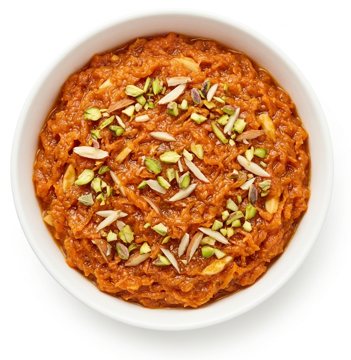
- Same: Gajar Halwa and this dish both use carrots, ghee and cardamom as core ingredients.
- Different: Gajar Halwa is a slow-cooked cream-and-sugar pudding with rosewater and almonds and pistachios, while this dish is a sticky chutney with white wine vinegar, dates, apricots, raisins, brown sugar, garlic powder, Kashmiri chilli powder and nutmeg.
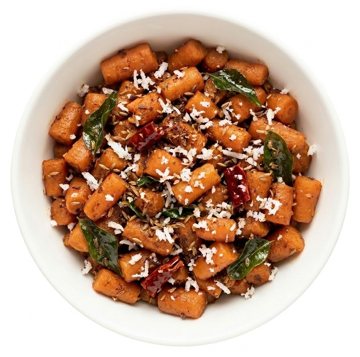
- Same: Baghare Gajar shares carrots and ghee with this dish, and both use chilli powder.
- Different: Baghare Gajar is a savoury simmered carrot dish with cumin seed, dried red chilli, curry leaves, fresh coconut and salt, while this dish is a sticky chutney with dates, apricots, raisins, white wine vinegar, light brown sugar, garlic powder, nutmeg and cardamom.