Indian cooking
Indian cooking / Dishes / Gajar Halwa
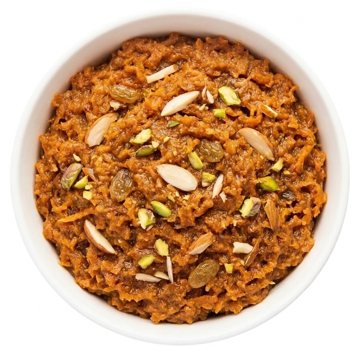
Gajar Halwa (Carrot Halwa)

Gajar Halwa

Carrot Halwa
VegetarianPrep 20 minutesCook 55 minutes, plus cooling

A rich Indian carrot pudding slow-cooked in ghee, cream, and sugar until tender and glossy. It has a delicate, fudge-like texture lifted by aromatic cardamom and floral rosewater.

Ingredients

01
125 g
oil/fat
02
220 g
vegetable
05
Almond · Badamslivered blanched
18 g2 tablespoons
nut/seed
06
4.9 g1 teaspoon
liquid
07
Pistachio and almond · Pista aur Badamchopped and slivered, to decorate
34 g¼ cup
nut/seed

Method

  1. Warm 125 g ghee in a broad, heavy-based pan over medium heat.
  2. Add 220 g grated carrots and bring the mixture to a boil, stirring frequently.
  3. Lower the heat and let the carrots simmer gently, uncovered, for 20 minutes, stirring regularly.
  4. Pour in 60 g cream and simmer uncovered for another 15 minutes with frequent stirring.
  5. Add 125 g granulated sugar and 2 tablespoon slivered blanched almonds, cooking for 10 minutes more while stirring steadily until the mixture thickens and begins sticking to the bottom.
  6. Remove the pan from the heat and set it aside to cool completely to room temperature.
  7. Stir in 0.5 teaspoon ground cardamom and 4.9 g rosewater, then finish by scattering over 0.25 cup chopped and slivered nuts to decorate.

Don't have something?

Ghee
  • Unsalted butter

    Use 120% of the weight; melt gently over low heat to avoid burning the milk solids, which will yield a softer, creamier richness rather than a nutty aroma.

  • Vegetable oil

    Use 85% of the weight; holds high cooking temperatures without smoking, but the final dish will lack traditional dairy depth.

  • Mustard oil

    Use equal weight; heat to smoking point and cool slightly before cooking, bearing in mind it introduces an assertive, pungent edge.

Carrot
  • Turnip

    Use the same weight; peel and cut as for carrot. It is less sweet and slightly peppery, so add a pinch of sugar and expect a softer, more earthy result.

  • Potato

    Use the same weight; cut into similar pieces and add 5–10 minutes' extra cooking. It gives bulk but no carrot sweetness or colour.

  • Courgette

    Use the same weight; cut a little larger and add near the end. It releases water, so reduce other liquid slightly and expect a softer texture.

Double cream
  • Heavy cream

    Use the same weight; whips and cooks almost identically.

  • Single cream

    Use the same weight in cooking, but it will not whip; reduce other liquid slightly.

  • Clotted cream

    Use 80% of the weight; richer and thicker, good for serving but not for whipping.

Granulated sugar
  • Jaggery

    Use equal weight; grate or shave finely so it dissolves rapidly, giving a warm, caramel-like sweetness and slightly darker sauce.

Almond
  • Cashew nut

    Use equal weight. Soak in warm water and grind to a paste or fry identically; yields a slightly creamier and sweeter sauce.

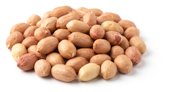
  • Shelled peanut

    Use equal weight. Lightly roast, skin, and grind; introduces a heavier body and a pronounced roasted-nut aroma.

Green cardamom pod
  • Green cardamom seed

    Use 35 to 40% of the total pod weight; lightly bruise the seeds before frying in oil to release their essential oils.

  • Ground green cardamom

    Use 20 to 25% of the pod weight (about 1 generous pinch per pod); stir in toward the end of cooking so the delicate floral notes do not dissipate.

  • White cardamom pod

    Use 1:1 by pod count or weight; crack gently before using, though it is slightly less intensely floral.

Rosewater
  • Screwpine water or rosewater

    If using kewra water, use 50% of the volume specified; it is intensely floral and pungent, so add drop by drop to avoid overpowering.

  • Ground green cardamom

    Use 0.5 g ground spice for every 5 ml rosewater. Adds warm, perfumed top notes, shifting the aroma from floral to sweet spice.

  • Dried rose petals

    Steep 1 g dried petals in 15 ml hot milk or water for 10 minutes, strain, and stir in for a subtle, natural floral note.

Pistachio and almond
  • Pistachio

    Use the same total weight; blanch and peel. It gives a greener, sweeter paste but less almond body.

  • Almond

    Use the same total weight; blanch and peel. It is firmer and less colourful, so grind longer.

  • Mixed nut

    Use the same total weight; chop or grind together. The flavour will be less specific but still rich.

Similar dishes

Gajar Burfi
Carrot Halwa
Gajar Burfi tastes milky-sweet from khoya with a faint kewra floral note and a dense, slightly grainy bite, while this dish is creamier and glossier with rosewater and cardamom.
  • Same: Gajar Burfi shares with this dish carrots, ghee, granulated sugar, and green cardamom as a warm aromatic spice.
  • Different: Gajar Burfi uses far more carrot, adds dried khoya and icing sugar, and flavors with kewra water, while this dish uses double cream, rosewater, almond, and pistachio and almond.
Gajar Kaanji
Carrot Water
Gajar Kaanji tastes tart, pungent, and savoury rather than rich, sweet, and floral like this dish.
  • Same: Gajar Kaanji shares carrots as the primary ingredient with this dish.
  • Different: Instead of being slow-cooked in ghee, cream, and sugar, Gajar Kaanji is steeped and fermented in water with black mustard seeds, chilli powder, and salt.
Gajar ka Halwa
Carrot Dessert
Gajar ka Halwa has a more pronounced caramelized dairy richness without the floral rose notes of this dish.
  • Same: Both puddings are based on grated carrots cooked down with ghee, sugar, cardamom, and almonds.
  • Different: Gajar ka Halwa simmers the carrots in a large amount of milk and adds khoya while using less ghee, whereas this dish uses cream and rosewater.
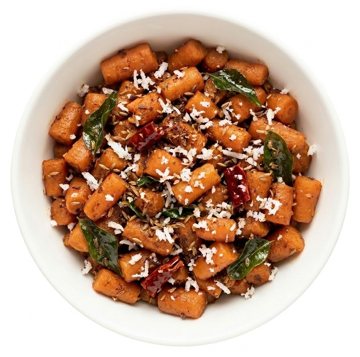
Baghare Gajar
Savoury Fried Carrots
Baghare Gajar is savoury and spicy rather than rich, sweet, and floral.
  • Same: Baghare Gajar also features carrots cooked in ghee.
  • Different: Instead of being slow-cooked with sugar, almonds, and rosewater, Baghare Gajar is fried and tempered with cumin seeds, dried red chillies, chilli powder, curry leaves, and fresh coconut.