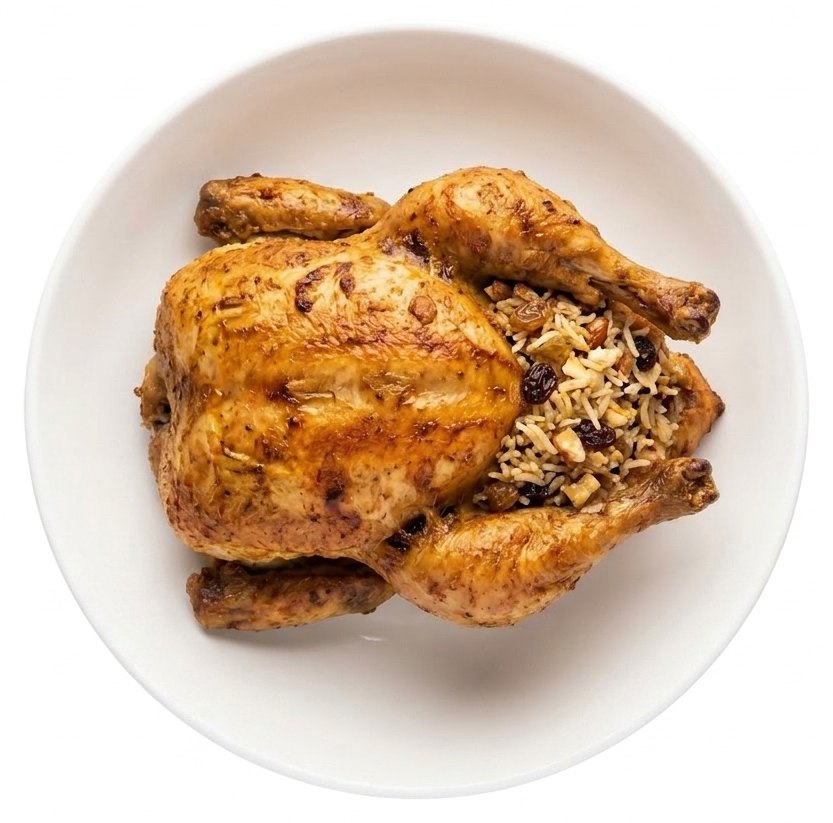
Murg Musallam
A festive North Indian dish of whole chicken marinated in a spiced yoghurt paste, stuffed with an opulent filling of rice, dried fruit, nuts, and khoya, then roasted until rich and tender.
Marinade spices
10 gBlended into the marinade paste (step 2)Stuffing spices
0.3 gStirred into the rice stuffing (step 4)Everything else

Method
- Submerge 50 g basmati rice in water and soak for 1 hour, then drain thoroughly.
- In a grinder or blender, process the marinade spices, 24 g ginger, 18 g garlic, 450 g onion, 8 cloves, and 4.2 g granulated sugar to a fine paste. Transfer to a bowl and stir in a small spoonful of the 259 g yogurt.
- Prick the 1200 g chicken all over with a fork. Rub the prepared paste and the remaining yogurt evenly over the bird, then cover and chill in the refrigerator for 2 hours.
- Warm 4 tablespoons of the 250 g ghee or vegetable oil in a heavy-bottomed pan over medium heat. Add the soaked rice and stir-fry for 4 minutes. Season with salt to taste, then stir in the stuffing spices, 2 tablespoon almonds, 3 tablespoon raisin, 15 g chironji kernels, and 100 g khoya. Pour in 250 ml water and simmer for 12 minutes.
- Pack the rice filling into the chicken cavity and tie the legs securely with kitchen twine to seal.
- Preheat the oven to 180°C (350°F). Set the stuffed chicken in a large casserole dish or Dutch oven along with the remaining ghee and 125 ml water. Cover tightly and bake for about 1½ hours (or cook in a covered lidded pot over charcoal embers) until the chicken is cooked through and all liquid is absorbed.
Don't have something?
 Plain boiled rice
Use 2.5 times the weight if substituting pre-cooked rice. Fold in gently at the end of the recipe; grains will be shorter and less fragrant.


 Plain yogurt
Use 100% of the weight. Whisk thoroughly until smooth before stirring into warm gravies to prevent curdling.
 Single cream
Use 90% of the weight combined with 10% lemon juice to replicate the lactic tang and rich body in marinades and curries.

 Turkey thigh
Use 100% of the weight, cut into equivalent bone-in or boneless pieces. Simmer for an extra 5 to 10 minutes; flavour and texture are very similar.
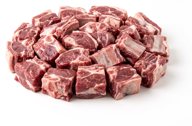 Lamb
Use 100% of the weight. Cut into bite-sized pieces and extend simmering time by 35 to 50 minutes, adding extra liquid to allow the meat to tenderise.


 Peanut oil
Use equal weight; handles high tempering heat well and keeps flavours neutral.
 Butter
Use equal weight; cook over gentle heat to prevent browning the milk solids too quickly.


 Red chilli powder
Use 100% of the weight. Provides direct, sharp heat and red colour in equal measure.
 Kashmiri chilli powder
Use 150% to 200% of the weight if matching colour, but add a pinch of black pepper or hot chilli if you need equivalent fiery heat.
 Cayenne pepper
Use 75% to 100% of the weight. Offers a sharp, clean heat with slightly less earthy depth and less crimson colour.


 Garlic powder
Use double the weight. Stir into hot oil just before adding wet ingredients; mimics the allium savoury background without the sulphurous edge.
 Garlic paste
Use 2 g for every 0.5 g of asafoetida. Sauté in oil until the raw smell clears; adds moisture and sweet allium depth.


 Cashew nut
Use equal weight. Soak in warm water and grind to a paste or fry identically; yields a slightly creamier and sweeter sauce.
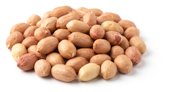 Shelled peanut
Use equal weight. Lightly roast, skin, and grind; introduces a heavier body and a pronounced roasted-nut aroma.


 Dried plum
Use equal weight, pitted and finely chopped. Lends a deeper, slightly more tart sweetness to curries and rice dishes.
- Cashew nut
Use equal weight. Fry lightly in ghee until golden; substitutes the burst of sweetness with a rich, buttery crunch.
 Jaggery
Use 30% of the weight, finely grated. Dissolve straight into the sauce to match the intended sweetness, though without the fruity chew.


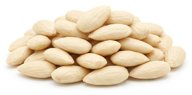 Blanched almond
Use the same weight, soak 20 minutes and use whole or grind; slightly sweeter and less bitter.
- Cashew nut
Use the same weight, soak 20 minutes; creamier and milder than chironji.
 Pistachio
Use the same weight, blanch and peel; stronger in flavour, so use slightly less if you want subtlety.


 Milk powder
For 100 g khoya use 40 g milk powder whisked with 60 g full cream milk; simmer to a thick paste. Stir often.
 Condensed milk
Use 70% of the weight for khoya and cut sugar by about 30%. Add 10 g milk powder to thicken if needed.
 Full cream milk
For 100 g khoya use about 500 g full cream milk; reduce slowly, stirring, until thick. Takes much longer.


 Fennel seed
Grind whole seeds finely; use equal weight (1:1). Provides a fresh, sweet, aniseed aroma that is slightly stronger than pre-ground powder.
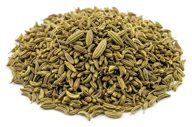 Aniseed
Grind finely; use 75% to 80% of the weight. Has a sharper, sweeter liquorice taste with less of fennel's herbal earthiness.
 Star anise
Grind whole star anise finely; use 30% to 40% of the weight. Very potent aniseed flavour that easily overpowers a dish if not used sparingly.


 Fresh ginger
Use equal weight; scrape off the skin and grate or finely julienne according to the recipe.
 Ginger paste
Use equal weight; stir straight into the sizzling aromatics, taking care as the extra moisture may spit.
 Ground ginger
Use 15 to 20% of the weight; add alongside ground spices, noting it imparts warm, dry heat rather than zesty freshness.


 Coarsely ground black pepper
Use 75% of the weight. Add midway through simmering; spreads heat evenly through the dish instead of delivering isolated bursts.
 Ground black pepper
Use 50% of the weight. Stir in near the end of cooking; significantly darkens light gravies and provides an immediate, sharp bite.



- Garlic paste
Use equal weight. Fry gently in oil or ghee with the ginger; incorporates smoothly into curries without visible minced bits.
- Garlic powder
Use 15% to 20% of the weight (about 1 g for every 5 to 6 g fresh cloves). Whisk into sauces; gives a savoury, toasted garlic flavour without raw pungency.
 Shallot
Use 1.5 times the weight, very finely minced. Sauté until golden; provides savoury allium sweetness, though it lacks garlic's pungent sulphur bite.



 Ground cumin
Use 50% of the weight mixed with equal parts ground coriander and a pinch of ground cinnamon, ground cloves, and ground green cardamom. Sprinkle near the end for a warming finish.
 Lentil stew spice mix
Use 75% of the weight. Simmer briefly in the gravy; imparts roasted warmth and complexity, though it adds a slight tang and earthy lentil undertone.


- Jaggery
Use equal weight; grate or shave finely so it dissolves rapidly, giving a warm, caramel-like sweetness and slightly darker sauce.


- Cashew nut
Use equal weight. Soak in warm water for 20 minutes and grind to a smooth paste; produces an even creamier, slightly richer gravy than poppy seeds.
 White sesame seed
Use equal weight. Soak and grind finely; provides similar thickening and body with a slightly nuttier, faintly bitter edge.
- Almond
Use equal weight. Blanch, peel, and grind finely with a splash of water; lends a velvety body and gentle sweetness to gravies.

Similar dishes

- Same: Murg Shahjehani shares chicken, yogurt, onion, garlic, ginger, chilli powder, black peppercorn and poppy seed with this dish.
- Different: Murg Shahjehani is a rosewater-finished onion-yogurt curry using vegetable oil, while this dish is a whole baked chicken stuffed with rice, almonds, raisins, chironji and khoya and spiced with asafoetida, fennel and garam masala.
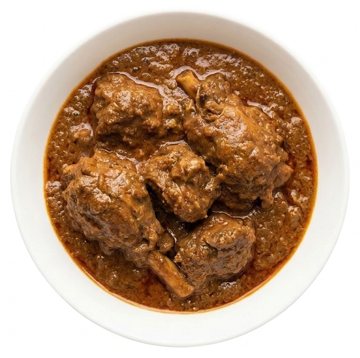
- Same: Dum Raan shares a rich yoghurt and khoya base cooked in ghee, seasoned with the same blend of ginger, garlic, onion, asafoetida, ground fennel seed, chilli powder, and garam masala.
- Different: Dum Raan uses lamb slow-braised with papaya rather than roasted chicken, omitting this dish's basmati rice, raisin, and poppy seed stuffing.

- Same: Both dishes feature chicken cooked with onions, ginger, garlic, and chilli powder.
- Different: Cha Sha is a light chicken braise cooked in vegetable oil with turmeric, lacking this dish's yogurt marinade, whole roasted preparation, and opulent stuffing of rice, khoya, and raisins.

- Same: Sookhe Masale ka Murg shares chicken, garlic, black peppercorn and chilli powder with this dish, and both use ghee as the main fat.
- Different: It is a dry stovetop chicken dish simmered in a garlic, green chilli, coriander, turmeric and aniseed paste and finished with a ghee fry, while this dish is a whole yoghurt-marinated chicken stuffed with rice, almonds, raisins, chironji and khoya and roasted; it has no yoghurt souring agent, rice, dried fruit, khoya or stuffing.