
Bhajela Saranga
Tender fish fillets coated in an aromatic coconut and chilli paste, wrapped in parcels and pan-fried until succulent and fragrant.
Fish marinade spice
3 gMixed with lime juice and salt for the initial marinade (step 1)Chilli for the spice paste
2 gBlended with the onion, aromatics, and coconut (step 2)Everything else


Method
- Remove the head and fins from 1000 g fish, then cut shallow diagonal slashes across both sides. In a small bowl, mix 15.3 g lime juice, salt to taste, and the fish marinade spice. Rub this seasoning all over the fish, cover, and leave to marinate in the fridge for 15 minutes.
- Add 150 g chopped onion, 6 g crushed garlic, 12 g peeled and chopped ginger, 30 g desiccated coconut, and the chilli for the spice paste to a food processor with a splash of water. Puree until you have a smooth, spreadable paste.
- Divide the fish into portions and coat both sides thickly with the blended paste.
- Lay out 8 squares (25 cm / 10 inch) of softened banana leaves or foil. Place the fish pieces in the middle, fold the wrappers over into sealed parcels, and tie them shut using kitchen twine.
- Warm a thin film of vegetable oil in a griddle or frying pan set over low-medium heat. Pan-fry the wrapped parcels for 10 minutes on each side, then carefully unwrap and serve the intact fish.
Don't have something?

 Salmon steak
Use the same weight; it cooks faster, so reduce simmering by 5–8 minutes and keep the skin on if possible.
 Whole mackerel
Use the same weight; it is oilier and stronger, so reduce added oil and simmer for a similar time.
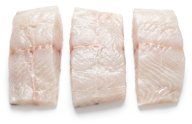 Firm white fish fillet
Use the same weight; it is less oily, so add a little extra oil and reduce cooking time by about 5 minutes.


 Ground ginger
Use 50% of the weight. Mimics turmeric's warm, earthy, rhizome background, but provides none of the golden-yellow colour.
 Saffron
Steep a tiny pinch (0.1 g per 2 g turmeric) in 2 tbsp warm water; use to match the rich golden hue. Contributes an aristocratic, honeyed floral flavour rather than earthy bitterness.



 Lemon juice
Use equal volume or weight; slightly sweeter and less pungent, but otherwise an imperceptible swap.
 Dried mango powder
Use 25% of the weight; imparts dry, fruity sourness, best stirred in right at the end of cooking.
 Tamarind extract
Use 50% of the weight; delivers pleasant fruity tang but turns pale sauces considerably darker.


 Green cabbage
Blanch large outer leaves for 30 seconds and use as a parcel; use the same size to wrap. No banana aroma.
 Collard greens
Blanch whole leaves for 1 minute and use as a wrap; slightly tougher and more peppery.


 Peanut oil
Use 1:1 by weight. Handles high-heat frying identically and introduces a very subtle, pleasant nuttiness.
 Ghee
Use 1:1 by weight. Yields a much richer, authentic aroma and a glossy, heavier mouthfeel.
 Mustard oil
Use 1:1 by weight. Heat until smoking, then cool slightly before cooking to temper its intensely pungent, sharp mustard kick.






 Dried kashmiri chilli
Use equal weight whole. Fry in hot oil or ghee as tempered spice; gives a richer red colour with slightly milder heat.
 Red chilli powder
Use 50% to 70% of the weight. Stir into the oil with ground spices; distributes heat evenly throughout the dish without whole chilli skins.

 Garlic paste
Use equal weight. Fry gently in oil or ghee with the ginger; incorporates smoothly into curries without visible minced bits.
 Garlic powder
Use 15% to 20% of the weight (about 1 g for every 5 to 6 g fresh cloves). Whisk into sauces; gives a savoury, toasted garlic flavour without raw pungency.
 Shallot
Use 1.5 times the weight, very finely minced. Sauté until golden; provides savoury allium sweetness, though it lacks garlic's pungent sulphur bite.


 Fresh ginger
Use equal weight; scrape off the skin and grate or finely julienne according to the recipe.
 Ginger paste
Use equal weight; stir straight into the sizzling aromatics, taking care as the extra moisture may spit.
- Ground ginger
Use 15 to 20% of the weight; add alongside ground spices, noting it imparts warm, dry heat rather than zesty freshness.


 Grated desiccated coconut
Use equal weight directly; it is the identical ingredient under a different label.
 Fresh coconut
Grate finely and use 130% to 140% of the weight to compensate for higher moisture; toast gently in a dry pan over low heat if a dry texture is needed.
 Dried coconut
Grate finely using a microplane and use equal weight. Offers a slightly oilier, toastier coconut profile.


Similar dishes

- Same: Lal Machhali also cooks fish using vegetable oil, lime juice, ground turmeric, garlic, and dried red chilli.
- Different: Instead of pan-frying fish wrapped in parcels with onion and ginger, Lal Machhali simmers the fish in a gravy made with desiccated coconut, sugar, and more dried red chillies.

- Same: Kothmiratil Machhi also coats fish in turmeric, ginger, garlic, and lime juice before frying it in vegetable oil.
- Different: Instead of being wrapped in parcels with an onion and dried red chilli paste, it is fried uncovered with a heavy paste of fresh coriander leaf, green chillies, and added sugar.

- Same: Vatticha Mathi Kari shares fish, onion, garlic, ginger, turmeric, dried red chilli, vegetable oil and salt with this dish.
- Different: Vatticha Mathi Kari uses sardines and is a simmered curry with cambodge petals, curry leaves, black peppercorn, coriander seeds and fenugreek, while this dish uses rawas or salmon coated in a coconut and chilli paste, wrapped in banana leaf and pan-fried with lime juice.

- Same: Kane Kari also uses fish prepared with onion, garlic, dried red chilli, ground turmeric, and vegetable oil.
- Different: Instead of parcel-wrapping and pan-frying the fish, Kane Kari simmers it into a curry, adding cumin seeds, coriander seeds, and curry leaves while omitting ginger and lime juice.