
Maas ki Karhi
A rich, tangy curry of tender lamb pieces simmered in a velvety sauce of gram flour and whisked yoghurt.
Cumin seeds
3.2 gSplit between toasting for the finish (step 1) and frying in ghee (step 3)Yoghurt spices
4.1 gWhisked into the yoghurt and gram flour mixture (step 2)Tempering spice
0.3 gAdded to the hot ghee (step 3)Garlic paste
47 gFried with the onion paste and browned meat (step 4)Everything else

Method
- Place a dry skillet over medium heat and toast half of the 3.2 g cumin seed for about 1 minute until fragrant. Set aside to cool, then grind to a fine powder.
- In a mixing bowl, combine 380 g plain yogurt, 50 g chickpea flour, the yoghurt spices, a pinch of salt to taste, and 750 ml water. Whisk thoroughly until completely smooth.
- Melt 125 g ghee in a heavy-based pot set over medium heat. Tip in the rest of the cumin seed along with the tempering spice, cooking for about 1 minute until the seeds crackle.
- Add 1000 g lamb, season with salt to taste, and fry for 4–5 minutes until evenly browned on the surface. Add 120 g boiled onion paste and the garlic paste, stirring frequently for about 5 minutes.
- Pour 500 ml water into the pan and bring everything to a boil. Turn the heat down to low, cover, and simmer for roughly 50 minutes, stirring occasionally, until the meat is nearly tender.
- Pour in the prepared yoghurt mixture and bring the pot almost to a boil. Reduce the heat to medium and simmer uncovered for 30 minutes, stirring continuously, until the gravy noticeably thickens.
- Mix in the reserved ground cumin and 12 g green chilli, cooking for another 2–3 minutes. Taste and adjust the salt if needed, garnish with 5.9 g coriander leaf, and serve with plain boiled rice.
Don't have something?


 Ground cumin
Use 70% of the weight; add with ground spices or sauce bases rather than hot oil tempering, where it scorches quickly and turns bitter.
 Black cumin seeds
Use equal weight for oil tempering. Delivers an earthy profile with an additional musky, smoky, and slightly bitter edge.
 Fennel seed
Use 60% of the weight for tempering; offers comparable warm aroma, but leans sweet and liquorice-like rather than savoury and earthy.


 Yogurt
Use equal weight, whisked thoroughly until smooth before adding to hot dishes to prevent curdling.
 Coconut milk
Use equal weight with 1 teaspoon lemon juice mixed in. Provides rich creaminess in curries, but adds a noticeable coconut flavour.
 Single cream
Use 80% of the weight plus a squeeze of lemon juice for acidity. Enriches sauces nicely, though it is richer and less tangy.


 Yellow split pea flour
Use 100% of the weight. Many commercial gram flours are milled from split peas; performs identically in pakora batters and kadhi.
 Cornstarch
For crisping batters or binding cutlets: use 50% to 60% of the weight. Produces a very crisp shell but lacks the earthy, roasted nutty flavour of besan.


 Red chilli powder
Use 100% of the weight. Provides direct, sharp heat and red colour in equal measure.
 Kashmiri chilli powder
Use 150% to 200% of the weight if matching colour, but add a pinch of black pepper or hot chilli if you need equivalent fiery heat.
 Cayenne pepper
Use 75% to 100% of the weight. Offers a sharp, clean heat with slightly less earthy depth and less crimson colour.


 Ground ginger
Use 50% of the weight. Mimics turmeric's warm, earthy, rhizome background, but provides none of the golden-yellow colour.
 Saffron
Steep a tiny pinch (0.1 g per 2 g turmeric) in 2 tbsp warm water; use to match the rich golden hue. Contributes an aristocratic, honeyed floral flavour rather than earthy bitterness.


 Unsalted butter
Use 120% of the weight; melt gently over low heat to avoid burning the milk solids, which will yield a softer, creamier richness rather than a nutty aroma.
 Vegetable oil
Use 85% of the weight; holds high cooking temperatures without smoking, but the final dish will lack traditional dairy depth.
 Mustard oil
Use equal weight; heat to smoking point and cool slightly before cooking, bearing in mind it introduces an assertive, pungent edge.


 Garlic powder
Use double the weight. Stir into hot oil just before adding wet ingredients; mimics the allium savoury background without the sulphurous edge.
 Garlic paste
Use 2 g for every 0.5 g of asafoetida. Sauté in oil until the raw smell clears; adds moisture and sweet allium depth.


 Boneless lamb shoulder
Use same weight; shoulder is well marbled and best for slow curry, with similar cooking time.
 Boneless leg of lamb
Use same weight; leg is leaner, so simmer 10 minutes less to avoid dryness.
 Boneless lamb fillet
Use same weight but simmer 15–20 minutes less; fillet is tender and cooks quickly.


 Onion paste
Use the same weight, then simmer in a little water for 5–8 minutes and cool; raw paste is sharper and stronger.
 Fried onion paste
Use about 75% of the weight; it is sweeter, darker and stronger, so reduce salt and sugar slightly.
 Boiled onion
Use the same weight, boil until soft and blend; it is the same thing made fresh.


 Garlic
Use equal weight; crush or finely grate to a smooth pulp to replicate the same fresh, pungent moisture in your base gravy.
- Garlic powder
Use 20 to 25% of the weight; mix with a teaspoon of water before adding to oil so it does not burn, noting it lacks the fresh bite.


- Chilli powder
Use 10 to 15% of the weight (about 1/4 teaspoon per chilli); imparts dry pungent heat and reddens the dish without the grassy crunch.
 Dried red chilli
Use 1 dried pod per fresh green chilli; snap in half and temper in hot oil for a deeper, toastier heat.


 Steamed rice
Use equal weight. Fluff with a fork before serving; absorbs curries and dals in identical fashion.
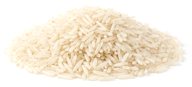 Basmati rice
Cook 40% of the required boiled weight in raw basmati rice using 2 parts water to 1 part rice. Gives longer, more aromatic, separate grains.

Similar dishes

- Same: Rajasthani Karhi shares the same base of yoghurt thickened with chickpea flour and seasoned with cumin seeds, turmeric, chilli powder, green chillies, garlic, and asafoetida.
- Different: Rajasthani Karhi is a vegetarian preparation cooked with peanut oil and far less ghee, omitting the lamb, boiled onion paste, and fresh coriander used in this dish.

- Same: Kossha Mangsho shares lamb, yogurt, chilli powder, turmeric, garlic paste, green chilli and coriander leaf with this dish.
- Different: Kossha Mangsho uses mustard oil, fresh onion, ginger paste, sugar and black cardamom, and it lacks this dish's chickpea flour, asafoetida and cumin seed.

- Same: Both Karhi Pakori and this dish simmer their main ingredients in a tart gravy of whisked yoghurt and chickpea flour seasoned with turmeric, cumin, and asafoetida.
- Different: Karhi Pakori uses fried moong dal dumplings instead of lamb, adds mustard seeds and dried red chillies, and omits the boiled onion paste, garlic, and green chillies used here.

- Same: Cheela shares chickpea flour, cumin, green chilli and coriander leaf with this dish.
- Different: Cheela is a vegetarian pancake batter with tomato and vegetable oil, while this dish is a lamb curry with yogurt, ghee and asafoetida.