Indian cooking
Cheela (Vegetarian Pancakes)

Cheela

Vegetarian Pancakes
Vegetarian●●●Origin Delhi/Punjab/AwadhPrep 20 minutesCook 15 minutes

Cheela are savoury, golden chickpea pancakes studded with fresh chillies, herbs, and aromatics. They have crisp edges, a soft interior, and an earthy, mildly spiced flavour.

Batter spices

2.1 gBeaten into the chickpea batter (step 2)
01
2.1 g1 teaspoon
spice
Keep whole: they are mixed directly into the batter.

Everything else

02
Tomato · Tamatarfinely chopped
120 g1 tomato
vegetable
03
Green chilli · Hari Mirchde-seeded and finely chopped
24–36 g4–6 chillies
vegetable
04
~50 g½ bunch
herb
05
114 g125 ml
oil/fat
06
to taste
salt

Method

  1. In a wide mixing bowl, whisk 250 g chickpea flour with enough water to form a smooth, lump-free batter with a thin, pouring consistency.
  2. Add 1 finely chopped tomato, 24–36 g green chilli, 50 g coriander leaf, the batter spices, and salt to taste, then beat lightly using a fork for 1 minute.
  3. Warm about 15 g of the 114 g vegetable oil in a non-stick frying pan over medium heat.
  4. Pour a ladleful of batter into the centre of the pan, tilting the skillet to spread the mixture into an even, round pancake.
  5. Cook for roughly 2 minutes until the underside is nicely browned.
  6. Flip the pancake over, adding a small drizzle of the remaining vegetable oil around the edges if needed, and fry for another 2 minutes until the second side is evenly browned.
  7. Transfer the pancake to a low oven (around 100°C / 212°F) to keep warm while repeating the cooking process with the remaining batter and oil.

Don't have something?

Chickpea flour
  • Yellow split pea flour

    Use 100% of the weight. Many commercial gram flours are milled from split peas; performs identically in pakora batters and kadhi.

  • Cornstarch

    For crisping batters or binding cutlets: use 50% to 60% of the weight. Produces a very crisp shell but lacks the earthy, roasted nutty flavour of besan.

Tomato
  • Tomato purée

    Use 40% to 50% of the fresh tomato weight mixed with a splash of water. Imparts a deeper red colour, thicker sauce, and slightly sweeter cooked flavour.


  • Plain yogurt

    Use 60% of the weight, whisked smooth and added on low heat. Provides rich body and sourness, though the gravy becomes paler and creamier.

Green chilli
  • Chilli powder

    Use 10 to 15% of the weight (about 1/4 teaspoon per chilli); imparts dry pungent heat and reddens the dish without the grassy crunch.

  • Dried red chilli

    Use 1 dried pod per fresh green chilli; snap in half and temper in hot oil for a deeper, toastier heat.

Cumin seed
  • Ground cumin

    Use 70% of the weight; add with ground spices or sauce bases rather than hot oil tempering, where it scorches quickly and turns bitter.

  • Black cumin seeds

    Use equal weight for oil tempering. Delivers an earthy profile with an additional musky, smoky, and slightly bitter edge.

  • Fennel seed

    Use 60% of the weight for tempering; offers comparable warm aroma, but leans sweet and liquorice-like rather than savoury and earthy.

Coriander leaf
  • Coriander

    Use equal weight finely chopped; this is the exact same fresh herb.

  • Mint

    Use half the weight finely chopped; provides vibrant green freshness, though the flavour profile becomes noticeably cooler and sharper.

Vegetable oil
  • Peanut oil

    Use 1:1 by weight. Handles high-heat frying identically and introduces a very subtle, pleasant nuttiness.

  • Ghee

    Use 1:1 by weight. Yields a much richer, authentic aroma and a glossy, heavier mouthfeel.

  • Mustard oil

    Use 1:1 by weight. Heat until smoking, then cool slightly before cooking to temper its intensely pungent, sharp mustard kick.

Similar dishes

Khatte Chole
Sour Chickpeas (Garbanzo Beans)
Khatte Chole is tangy and robust from amchoor and tea, whereas this dish is earthy, mildly spiced, and soft inside with crisp edges.
  • Same: Khatte Chole shares chickpeas, cumin seed, tomato, green chilli, coriander leaf, vegetable oil, and salt with this dish.
  • Different: Khatte Chole uses dried chickpeas, a tea bag, onion, ginger, garam masala, and amchoor and is simmered into a thick, dry curry, while this dish is a chickpea-flour batter pancake cooked in oil without those ingredients.
Rajasthani Karhi
Gram (Chickpea) Flour & Yoghurt Curry
Rajasthani Karhi tastes tangier and more pungent from the yogurt, garlic, and asafoetida, whereas this dish has a milder, earthy flavour focused on fresh coriander.
  • Same: Rajasthani Karhi shares chickpea flour, cumin seeds, and green chillies with this dish.
  • Different: Instead of pan-frying a chickpea batter, Rajasthani Karhi simmers a smaller proportion of flour into a pourable yogurt gravy seasoned with garlic paste, turmeric, chilli powder, and asafoetida in peanut oil and ghee.
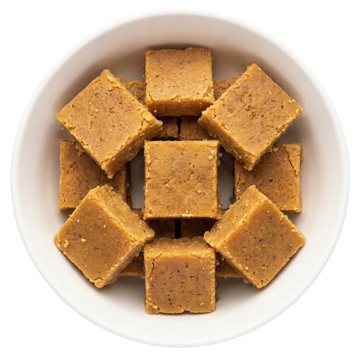
Mysore Pak
Rich Gram (Chickpea) Flour Confection
Mysore Pak is intensely sweet, buttery, and aromatic with cardamom, whereas this dish is savoury, earthy, and spicy.
  • Same: Mysore Pak also relies on chickpea flour as its primary ingredient.
  • Different: Instead of being pan-fried in vegetable oil with green chillies, cumin seeds, and fresh coriander, Mysore Pak is cooked down into a confection using granulated sugar syrup, lime juice, cardamom pods, and a large quantity of ghee.
Avasara Vada
Coconut & Gram (Chickpea) Flour Patties
Avasara Vada has a richer, nuttier, and more pungent ginger-asafoetida bite compared to the lighter, herb-heavy flavour of this dish.
  • Same: Avasara Vada also uses chickpea flour as its primary base, seasoned with cumin seeds, fresh green chillies, and coriander leaf.
  • Different: Avasara Vada is shaped into fried patties rather than poured into thin pancakes, incorporating ghee, ginger, sesame seeds, and asafoetida with significantly less coriander.