
Laal Kalwan
A vibrant coastal curry featuring tender fish and potatoes simmered in a fragrant, tangy gravy of rehydrated red chillies, coconut, and garlic.
Marinade spice
3 gMixed with lime and sugar to coat the fish (step 1)Red chilli paste spice
8 gSoaked and puréed with the aromatics (step 2)Everything else

Method
- Whisk 2.1 g granulated sugar, 15.3 g lime juice, a pinch of salt, and the marinade spice in a dish, then rub the mixture thoroughly over 750 g fish and refrigerate, covered, for 15 minutes.
- Immerse the red chilli paste spice in lukewarm water for 15 minutes, then drain, keeping the soaking liquid aside, and slit the chillies open to scrape out the seeds.
- Transfer the softened chillies into a blender with 30 g coconut, 18 g garlic, 15 g white malt vinegar, and enough of the reserved soaking water to grind everything into a smooth, thick purée.
- Set a broad pan over medium-low heat, warm 1 tablespoon oil, and gently fry the blended paste for 1 to 2 minutes, stirring constantly to preserve its bright scarlet tone without browning.
- Place 300 g potato in a pot with 250 ml water, bring up to a rolling boil, then clamp on a lid, drop the heat, and simmer for 10 minutes.
- Tip the marinated fish, all of its marinade juices, and the sautéed chilli paste into the pot of potatoes, pour over another 250 ml water, and add salt to taste.
- Cover the pot and simmer over low heat for 10 minutes until the fish flakes cleanly and the potatoes are completely tender.
Don't have something?


 Firm white fish fillet
Use the same weight; remove any skin and cut into even pieces. Cook gently for the same short time.
 Skinless boneless fish fillet
Use the same weight; check for bones and simmer 5–8 minutes until just opaque. It may be softer, so stir less.
 Firm white fish
Use the same weight; clean, skin and cut into chunks. Cooking time is similar, but check for bones.


 Ground ginger
Use 50% of the weight. Mimics turmeric's warm, earthy, rhizome background, but provides none of the golden-yellow colour.
 Saffron
Steep a tiny pinch (0.1 g per 2 g turmeric) in 2 tbsp warm water; use to match the rich golden hue. Contributes an aristocratic, honeyed floral flavour rather than earthy bitterness.


 Jaggery
Use equal weight; grate or shave finely so it dissolves rapidly, giving a warm, caramel-like sweetness and slightly darker sauce.


 Lemon juice
Use equal volume or weight; slightly sweeter and less pungent, but otherwise an imperceptible swap.
 Dried mango powder
Use 25% of the weight; imparts dry, fruity sourness, best stirred in right at the end of cooking.
 Tamarind extract
Use 50% of the weight; delivers pleasant fruity tang but turns pale sauces considerably darker.


 Vegetable oil
Use the same weight. It is neutral and behaves the same in frying and tempering; no noticeable change in flavour.
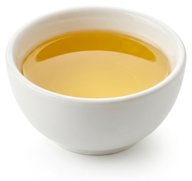 Corn or vegetable oil
Use the same weight. Neutral and good for high heat; the dish will taste virtually the same.
 Groundnut oil
Use the same weight. It has a mild nutty flavour and is good for Indian cooking; heat until just hot, not smoking, so the nuttiness does not dominate.



 Eggplant
Use equal weight. Cut into large chunks; cooks down much faster (10-12 minutes) and softens into the sauce rather than staying starchy and firm.
 Paneer
Use 80% of the weight. Cube and add in the last 5-10 minutes of cooking; adds rich dairy protein instead of starchy bulk.
 Dried chickpea
Use 45% dry weight. Soak overnight and boil until fully soft before stirring into the sauce to simmer for 10 minutes.


 Dried kashmiri chilli
Use equal weight whole. Fry in hot oil or ghee as tempered spice; gives a richer red colour with slightly milder heat.
 Red chilli powder
Use 50% to 70% of the weight. Stir into the oil with ground spices; distributes heat evenly throughout the dish without whole chilli skins.


 Grated desiccated coconut
Use equal weight directly; it is the identical ingredient under a different label.
 Fresh coconut
Grate finely and use 130% to 140% of the weight to compensate for higher moisture; toast gently in a dry pan over low heat if a dry texture is needed.
 Dried coconut
Grate finely using a microplane and use equal weight. Offers a slightly oilier, toastier coconut profile.



 Garlic paste
Use equal weight. Fry gently in oil or ghee with the ginger; incorporates smoothly into curries without visible minced bits.
 Garlic powder
Use 15% to 20% of the weight (about 1 g for every 5 to 6 g fresh cloves). Whisk into sauces; gives a savoury, toasted garlic flavour without raw pungency.
 Shallot
Use 1.5 times the weight, very finely minced. Sauté until golden; provides savoury allium sweetness, though it lacks garlic's pungent sulphur bite.


 White vinegar
Use 90% of the weight. It is sharper and lacks the mild malty grain undertone, so temper with a tiny pinch of sugar if needed.
- Lemon juice
Use 100% of the weight. Best for marinades or quick chutneys; imparts fresh citrus flavour instead of fermented acidity.

Similar dishes

- Same: Fish Stew also simmers fish and potatoes in a coconut-based sauce.
- Different: Fish Stew includes sweetcorn, bay leaf, and black pepper, but it omits the garlic, turmeric, dried red chillies, lime juice, and malt vinegar used in this dish.
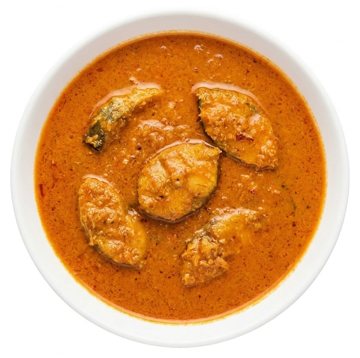
- Same: Both curries simmer fish in a red, spiced base built on dried red chillies, garlic, turmeric, and coconut.
- Different: Goan Fish Curry (II) uses onion, coriander seeds, and tamarind cooked in vegetable oil, whereas this dish relies on potatoes, sugar, lime juice, and white malt vinegar.

- Same: Lal Machhali shares the fish curry base flavored with dried red chillies, garlic, turmeric, sugar, and lime juice.
- Different: It includes desiccated coconut and vegetable oil, but omits the potatoes and white malt vinegar used in this dish.

- Same: Dhyatle Sukha shares with this dish a coastal fish-and-potato curry base, turmeric, garlic, lime juice, salt and oil.
- Different: Dhyatle Sukha uses rehydrated dried Bombay duck, yoghurt, sesame seed, ginger, green chilli and cumin, and it lacks this dish's fresh white fish, coconut, dried red chilli and malt vinegar.