
Fish Stew
A comforting, mild seafood dish featuring tender chunks of fish, potatoes, and sweetcorn poached in a fragrant coconut broth. It has a rich, savoury taste with a delicate sweetness and gentle pepper heat.
Aromatic for the broth
0.5 gAdded to the pan with the liquid (step 1)Seasoning spice
0.3 gStirred in with the fish (step 2)Everything else

Method
- Combine 2 trimmed and roughly chopped spring onions, 150 g quartered potato, 254 g coconut milk, 250 g stock, and the aromatic for the broth in a heavy-based pot. Bring to a boil over medium-high heat, then cover, drop the heat to low, and simmer for 10 minutes.
- Take off the lid and add 150 g broccoli or cauliflower, 400 g trimmed fish, 150 g sweetcorn, the seasoning spice, and salt to taste. Put the lid back on and simmer gently for a further 5 minutes until the fish is cooked through.
- Remove the pot from the heat, take out and discard the bay leaf, then ladle into bowls to serve.
Don't have something?


 Spring onion green
Use the same weight; use only the green parts, so the dish loses some of the white onion base.
 Onion
Use 60% of the weight, finely sliced; stronger and sharper, so cook it down more.
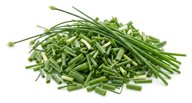 Chive
Use the same weight; milder and best added late or as a garnish, not as a cooked base.


 Eggplant
Use equal weight. Cut into large chunks; cooks down much faster (10-12 minutes) and softens into the sauce rather than staying starchy and firm.
 Paneer
Use 80% of the weight. Cube and add in the last 5-10 minutes of cooking; adds rich dairy protein instead of starchy bulk.
 Dried chickpea
Use 45% dry weight. Soak overnight and boil until fully soft before stirring into the sauce to simmer for 10 minutes.


 Single cream
Use equal weight; simmer gently over low heat to prevent curdling. Imparts a comparable rich texture, though it adds dairy richness without any coconut fragrance.
 Cashew paste
Whisk 1 part cashew paste with 2 parts water to match the consistency, then use equal weight. Provides a thick, velvety body without coconut flavour.
 Whole milk
Use equal weight, but reduce other cooking liquids by 20% to compensate for the lower viscosity. The curry will be lighter and lack sweetness.


 Chicken stock
Use the same volume. It gives a fuller, less fishy base; simmer with a few prawn shells if you have them.
 Vegetable stock
Use the same volume for a neutral version; add 1 tsp soy sauce per 250 ml to hint at fish.
 Water
Use the same volume with a pinch of salt. The dish will be thinner, so reduce other liquid slightly.


 Cinnamon stick
Use a 2 cm piece (about 1 g) for every 1 to 2 bay leaves. Fry in whole-spice temperings; provides the cassia-like warmth typical of Indian tejpatta.
 Ground cinnamon (cassia)
Use 0.5 g per leaf. Stir into the sauce during simmering; gives the same warm woodiness but darkens the colour slightly.


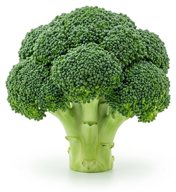 Broccoli or cauliflower
Use the same weight; cut into florets of the same size.
 Cauliflower floret
Use the same weight; it is milder and slightly firmer, so cook 1–2 minutes longer.
 Broccoli
Use the same weight; it cooks faster and has a greener flavour, so check early.


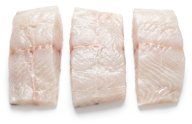 Firm white fish fillet
Use the same weight; remove any skin and cut into even pieces. Cook gently for the same short time.
 Skinless boneless fish fillet
Use the same weight; check for bones and simmer 5–8 minutes until just opaque. It may be softer, so stir less.
 Firm white fish
Use the same weight; clean, skin and cut into chunks. Cooking time is similar, but check for bones.


 Canned sweetcorn kernel
Use the same drained weight; rinse and add near the end so it does not overcook.
 Fresh sweetcorn
Use the same weight of kernels, boiled for 3–5 minutes before adding; it is crunchier and sweeter.
 Frozen peas
Use the same weight as a quick stand-in in mixed vegetable dishes; colour and sweetness differ, so adjust salt and spices.


 Black peppercorn
Use 1:1 by weight; pulverise in a spice mill or mortar to a fine powder for immediate, punchy heat.
 Coarsely ground black pepper
Use equal weight; offers the same bite, though it gives a visibly speckled finish and firmer crunch.


Similar dishes

- Same: Both dishes feature fish and potatoes simmered in a coconut base.
- Different: Laal Kalwan adds dried red chillies, garlic, turmeric, lime juice, and vinegar, while omitting the sweetcorn, bay leaf, and black pepper found in this dish.

- Same: Kobarimasam Pulussu also simmers potatoes in a rich coconut gravy seasoned with black pepper.
- Different: Instead of fish, Kobarimasam Pulussu uses bone-in lamb and builds a fried base with vegetable oil, onions, ginger, green chillies, curry leaves, and garam masala, while omitting bay leaves.

- Same: Machhi Kebab shares firm white fish, potato, spring onion, black pepper, and salt with this dish.
- Different: Machhi Kebab adds ginger, green chilli, egg, breadcrumbs, and lemon, and it is shaped into patties and pan-fried, while this dish is a poached stew with coconut milk, fish stock, sweetcorn, broccoli or cauliflower, and bay leaf.

- Same: Both Machhali ke Kofte and this dish combine fish and potatoes.
- Different: Instead of being poached in a coconut milk broth with bay leaves, Machhali ke Kofte is seasoned with onion, chilli powder, ground coriander, fresh coriander, and lemon juice, then deep-fried in vegetable oil.