Indian cooking
Indian cooking / Dishes / Arbai ke Patte
Arbai ke Patte (Yam Leaf Wraps with Spicy Lentil Paste Filling)

Arbai ke Patte

Yam Leaf Wraps with Spicy Lentil Paste Filling
Vegetarian●●●Origin AwadhPrep 25 minutes, plus soaking timeCook 20–25 minutes

Crisp-fried parcels of yam leaves wrapped around spiced urad dal paste, simmered until tender in a lightly spiced sauce. They offer an earthy, savoury bite balanced by sharp green chillies and tangy dry mango powder.

Filling spices

12 gStirred into the lentil paste with ginger, chillies, and salt (step 2)
01
~0.3 g1 pinch
spice
02
5 g2 teaspoons
spice
03
2.6 g1 teaspoon
spice
04
1.8 g1 teaspoon
spice
05
1.8 g1 teaspoon
spice
Stir together until evenly blended.

Simmering spice

3 gAdded to the boiling water and oil (step 5)
01
3 g1 teaspoon
spice
Keep ready to add directly to the simmering liquid.

Finishing spice

5 gDusted over the reduced rolls at the end of cooking (step 6)
01
5 g2 teaspoons
souring agent
Keep separate to sprinkle over the finished dish.

Everything else

01
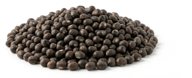
Black gram · Urad Dalrinsed and drained
250 g
legume
02
120 g12 leaves
vegetable
03
Ginger · Adrakpeeled and grated
12 g1 piece
aromatic
04
Green chilli · Hari Mirchde-seeded and very finely chopped
36–48 g6–8 chillies
vegetable
05
228 g250 ml
oil/fat
06
to taste
salt
07
~1 g1 sprig
herb

Method

  1. Submerge 250 g urad dal in water and leave to soak for 2 hours. Drain completely, then transfer to a food processor and blend with a minimal splash of water until a smooth, thin paste forms. Transfer the paste to a mixing bowl.
  2. Strip the thick central rib from 12 yam leaves. Mix the filling spices with salt to taste, 12 g ginger, and 36–48 g green chilli, then fold into the lentil paste, setting aside a small spoonful to seal the rolls.
  3. Spread a thin layer of the seasoned lentil paste over the surface of each leaf. Roll each leaf into a compact, flat cylinder roughly 2.5 cm (1 inch) thick, slice into 5 cm (2 inch) lengths, and dab the cut ends with the reserved paste to seal the filling.
  4. Pour 114 g vegetable oil (half the total) into a kadhai or deep frying pan set over high heat. Fry the wrapped parcels in batches of 3 or 4 for around 2 minutes until crisp and golden brown, then lift out with a slotted spoon to drain on kitchen paper.
  5. In a separate wide, heavy pan, combine the remaining 114 g vegetable oil and 500 ml water, bringing it to a rolling boil. Add the simmering spice along with the fried parcels, lower the heat, and simmer gently for about 10 minutes until tender but still holding their shape.
  6. When only a small amount of sauce remains in the pan, scatter over the finishing spice and swirl the pan gently to coat. Remove from the heat and garnish with 1 g coriander leaf.

Don't have something?

Urad dal
  • Whole black gram

    Use equal weight. Needs longer soaking and cooking; the dark skins impart an earthy flavour and greyish-black hue unless thoroughly rubbed off.

  • Chana dal

    Use equal weight when tempering (tadka). Provides a comparable nutty, crunchy texture in hot oil, though grains are slightly larger.

  • Split mung beans

    Use equal weight for batters or dals. Ferments and cooks faster, producing a lighter, less sticky, and less viscous consistency.

Yam leaf
  • Spinach

    Use the same weight; it is milder and cooks 3–5 minutes faster, so add later and cook until wilted.

  • Amaranth leaves

    Use the same weight; they are tender and cook faster, so add in the last 5 minutes.

  • Red spinach

    Use the same weight; it is mild and soft, so reduce cooking time by 3–5 minutes.

Asafoetida
  • Garlic powder

    Use double the weight. Stir into hot oil just before adding wet ingredients; mimics the allium savoury background without the sulphurous edge.

  • Garlic paste

    Use 2 g for every 0.5 g of asafoetida. Sauté in oil until the raw smell clears; adds moisture and sweet allium depth.

Ground cumin
  • Cumin seed

    Dry-roast briefly and grind finely; use equal weight (1:1). Imparts an even punchier, nuttier, toasty aroma than pre-ground cumin.

  • Ground coriander

    Use equal weight (1:1). Adds mild, lemony sweetness rather than cumin's smoky, earthy bite; curries will taste lighter and less savoury.

  • Black cumin seeds

    Grind finely; use 60% to 75% of the weight. Produces a darker, more complex, smoky-herbal flavour suited to rich gravies.

Chilli powder
  • Red chilli powder

    Use 100% of the weight. Provides direct, sharp heat and red colour in equal measure.

  • Kashmiri chilli powder

    Use 150% to 200% of the weight if matching colour, but add a pinch of black pepper or hot chilli if you need equivalent fiery heat.

  • Cayenne pepper

    Use 75% to 100% of the weight. Offers a sharp, clean heat with slightly less earthy depth and less crimson colour.

Ground ginger
  • Ginger paste

    Use 300% to 400% of the weight (e.g. 3–4 g paste for 1 g ground). Fry in oil alongside onions; provides a juicy, pungent kick rather than a dry, baking-spice heat.

  • Fresh ginger

    Peel and grate finely; use 300% to 400% of the weight. Add to the hot oil early; delivers bright, peppery warmth rather than the mellow, woody heat of dry ginger.

  • Ground mace

    Use 50% of the weight. Imparts a warm, spicy undertone in rich gravies, but lacks ginger's fiery, sharp zest.

Ground coriander
  • Coriander seeds

    Dry-roast lightly in a pan and grind to a fine powder; use equal weight (1:1). Offers a noticeably fresher, brighter citrus note.

  • Ground cumin

    Use 50% to 75% of the weight. Lacks the floral, citrusy profile of coriander and turns the gravy heavier, earthier, and darker.

  • Garam masala

    Use 50% of the weight and stir in near the end of cooking. Adds warmth and depth since it contains ground coriander, but introduces stronger spices like clove and cinnamon.

Ginger
  • Fresh ginger

    Use equal weight; scrape off the skin and grate or finely julienne according to the recipe.

  • Ginger paste

    Use equal weight; stir straight into the sizzling aromatics, taking care as the extra moisture may spit.

  • Ground ginger

    Use 15 to 20% of the weight; add alongside ground spices, noting it imparts warm, dry heat rather than zesty freshness.

Green chilli
  • Chilli powder

    Use 10 to 15% of the weight (about 1/4 teaspoon per chilli); imparts dry pungent heat and reddens the dish without the grassy crunch.

  • Dried red chilli

    Use 1 dried pod per fresh green chilli; snap in half and temper in hot oil for a deeper, toastier heat.

Vegetable oil
  • Peanut oil

    Use 1:1 by weight. Handles high-heat frying identically and introduces a very subtle, pleasant nuttiness.

  • Ghee

    Use 1:1 by weight. Yields a much richer, authentic aroma and a glossy, heavier mouthfeel.

  • Mustard oil

    Use 1:1 by weight. Heat until smoking, then cool slightly before cooking to temper its intensely pungent, sharp mustard kick.

Ground turmeric
  • Ground ginger

    Use 50% of the weight. Mimics turmeric's warm, earthy, rhizome background, but provides none of the golden-yellow colour.

  • Saffron

    Steep a tiny pinch (0.1 g per 2 g turmeric) in 2 tbsp warm water; use to match the rich golden hue. Contributes an aristocratic, honeyed floral flavour rather than earthy bitterness.


Amchoor
  • Lemon juice

    Use 15 g (1 tbsp) for every 5 g of amchoor. Stir in at the very end off the heat; adds liquid and fresh citrus aroma rather than dry fruity tang.

  • Tamarind extract

    Use 75% of the weight, dissolved in a splash of warm water. Simmer briefly; darkens the gravy and provides a deeper, caramelised sourness.

Coriander leaf
  • Coriander

    Use equal weight finely chopped; this is the exact same fresh herb.

  • Mint

    Use half the weight finely chopped; provides vibrant green freshness, though the flavour profile becomes noticeably cooler and sharper.

Similar dishes

Khasta Kachori
Savoury Deep-fried Snack
Khasta Kachori tastes richer, mildly sweet, and aromatic with fennel rather than tangy from amchoor and earthy from yam leaves.
  • Same: Khasta Kachori also uses a spiced urad dal filling seasoned with ginger, green chilli, cumin, coriander, chilli powder, and asafoetida.
  • Different: Instead of wrapping the lentils in yam leaves and simmering them in sauce, Khasta Kachori encases the filling in a ghee-based pastry dough and deep-fries it dry, adding fennel and sugar while omitting amchoor and turmeric.
Masala Arabi
Spicy Colocasia (Taro Root)
Masala Arabi has a mellow, creamy tang flavored with thyme-like ajwain, rather than the sharper amchoor acidity and dense, fried-lentil bite of this dish.
  • Same: Masala Arabi also features the colocasia plant seasoned with ginger, green chillies, asafoetida, turmeric, and ground coriander.
  • Different: Instead of wrapping spiced urad dal paste in leaves and frying it in vegetable oil, Masala Arabi cooks taro root chunks in ghee with ajwain seeds and uses yogurt instead of amchoor.
Sookhi Mangori
Dried Moong Dal Dumplings
Sookhi Mangori tastes rich and tangy from tomato and ghee, while this dish tastes earthy and savoury with sharper green chilli and dry mango tang.
  • Same: Sookhi Mangori and this dish are both legume-based dishes seasoned with asafoetida, ginger, turmeric and ground coriander.
  • Different: Sookhi Mangori uses moong dal dumplings in an onion-tomato gravy with ghee and garam masala, while this dish uses urad dal paste wrapped in yam leaves, crisp-fried and simmered with green chilli and amchoor.
Masoor ki Dal
Red or Black Dal
It tastes mild, velvety, and gently aromatic rather than tangy, earthy, and fiery with green chillies.
  • Same: Masoor ki Dal also uses dal seasoned with ginger, asafoetida, turmeric, chilli powder, and ground coriander.
  • Different: It is a loose lentil soup enriched with rice water and a ghee tarka of cumin seeds and cloves, rather than fried yam-leaf rolls filled with urad dal paste and amchoor.