Indian cooking
Indian cooking / Dishes / Kid Goat Raan
Kid Goat Raan ()

Kid Goat Raan

Non-vegetarianOrigin northern India

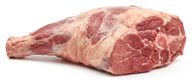
A slow-cooked kid goat leg marinated with ginger-garlic and chilli, braised with whole spices and vinegar, then served in a saffron-cream sauce. The meat is tender and rich, with a gentle sour edge from the vinegar.

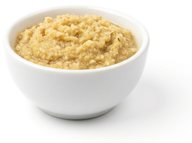
Marinade paste and chilli

76 gRubbed into the goat for the overnight marinade (step 1)
Mix with the salt and rub over the goat.

Whole braising spices

10 gAdded to the pan with vinegar and water (step 3)
01
0.4 g2 leaves
spice
02
3.6 g3 stars
spice
03
2.9 g1 teaspoon
spice
04
2.1 g1 teaspoon
spice
Keep whole; add them to the pan with the vinegar.

Saffron-cream finishing spices

24 gStirred into the reduced braising liquid with cream (step 6)
01
Saffron thread · Kesarsoaked in a little warm water
~0.3 g1 pinch
spice
02
23 g3 tablespoons
spice blend
Keep the saffron in its soaking water; add both to the cream sauce.

Everything else

01
800 g1 leg
meat
02
~0.3 g1 pinch
salt
03
406 g400 ml
souring agent
04
1590 g1.6 l
liquid
05
497 g500 ml
dairy

Method

  1. Rub 800 g kid goat leg with the marinade paste and chilli: 60 g ginger garlic paste, 15.6 g kashmiri chilli powder and 0.3 g sea salt. Cover and refrigerate overnight.
  2. Heat the oven to 200°C (400°F).
  3. Put the marinated goat in a deep ovenproof pan. Add the whole braising spices and 406 g white distilled vinegar, then pour in 1590 g cold water so the meat is just covered. Cover the pan.
  4. Cook covered at 200°C (400°F) for 30 minutes. Turn the oven down to 160°C (320°F) and cook for 4–5 hours, until the meat is very tender and comes away from the bone.
  5. Take the pan from the oven and lift out the goat. Leave it to cool; the meat should be tender enough to pull from the bone easily.
  6. Pour the braising liquid into a heavy saucepan and boil over high heat until reduced and concentrated. Strain into another pan, lower the heat, and stir in 497 g double cream and the saffron-cream finishing spices: 0.3 g saffron strands with their soaking water and 23.4 g garam masala. Simmer for 5 minutes, taste for salt, and set aside.
  7. Heat a large frying pan over high heat. Sear the goat until the outside is crisp. Add the braising liquid and spoon it over the meat until evenly coated. Serve the goat whole in the sauce.

Don't have something?

Kid goat leg
  • Leg of lamb

    Use the same weight; trim excess fat and cook 15-20 minutes less if boneless.

  • Lamb shoulder on the bone

    Use the same weight; fattier and slower, so cook 20 minutes longer and skim the sauce.

  • Goat or lamb leg

    Use the same weight; bone-in keeps similar timing, boneless needs about 20% less.

Ginger garlic paste
  • Ginger and garlic paste

    Use the same weight; the difference is only the order of the names.

  • Garlic paste

    Mix with an equal weight of ginger paste and use the same total weight.

  • Garlic

    For 20 g paste use about 10 g crushed garlic and 10 g grated ginger root with a splash of water. Add a little extra water if the dish looks dry.

Kashmiri chilli powder
  • Dried kashmiri chilli

    Grind deseeded dried pods to an equal weight of powder; gives identical vivid red colour and gentle warmth.

  • Red chilli powder

    Use 25% of the weight mixed with sweet paprika for colour; straight red chilli powder is substantially hotter and will make the dish fiery.

  • Chilli powder

    Use one-third of the weight; the sauce will be less intensely red and notably sharper in heat.

Indian bay leaf
  • Bay leaf

    Use the same number or weight. Ordinary bay is milder and lacks the cinnamon-clove note; add early and remove before serving.

  • Cassia bark (Chinese cinnamon)

    Use about 1 g cassia for every 2 g Indian bay leaf. It gives a warm cinnamon note but not a true laurel flavour; remove before serving.

  • Cinnamon stick

    Use a small 1 cm piece for 2 leaves. It adds warm sweetness but not bay flavour; remove before serving.

Star anise
  • Aniseed

    Use equal weight or 1 g lightly crushed aniseed per whole star anise star. Delivers the same sweet liquorice profile, though slightly less woody.

  • Fennel seed

    Use equal weight, bruised in a mortar. Lends a gentler, sweeter liquorice note to gravies and biryanis.

Black peppercorn
  • Coarsely ground black pepper

    Use 75% of the weight. Add midway through simmering; spreads heat evenly through the dish instead of delivering isolated bursts.

  • Ground black pepper

    Use 50% of the weight. Stir in near the end of cooking; significantly darkens light gravies and provides an immediate, sharp bite.

Clove
  • Ground cloves

    Use 1 g ground for 4 g whole (or 1 small pinch per 2 to 3 whole cloves). Add with spice powders; disperses intense warmth quickly, so use with restraint.

  • Allspice berries

    Use 100% of the weight whole in tempering. Imparts a warm, clove-like aromatic profile combined with hints of nutmeg and cinnamon.

  • Black cardamom pod

    Use 1 pod for 3 to 4 cloves in whole tempering. Shares a camphor-like warmth and medicinal depth, though it introduces a distinct smoky undertone.

Cassia bark
  • Ceylon cinnamon

    True cinnamon: thinner, papery quills, milder and sweeter. Use about 1.5 times the weight, and taste.

  • Ground cinnamon (cassia)

    Use about a third of the weight (0.5 g ground for a 2.5 cm piece), stirred in with the ground spices rather than fried whole, since the powder burns quickly.

  • Cassia buds

    Use 60-70% of the weight; stronger and more peppery, so taste before adding more.

White vinegar
  • White malt vinegar

    Use 100% of the weight. Imparts a very similar clean acidity with a faintly softer, grain-based finish.

  • Vinegar

    Use 100% of the weight as a direct 1:1 replacement.

  • Lime juice

    Use 100% of the weight. Stir into the sauce at the end of cooking; adds vibrant fruity acidity rather than acetic punch.

Water
  • Stock

    Use the same weight in savoury dishes; it adds body, so adjust salt.

  • Milk

    Use the same weight only in doughs or creamy dishes; it makes the result richer.

  • Coconut water

    Use the same weight in curries or rice; it adds sweetness and a faint coconut taste.

Double cream
  • Heavy cream

    Use the same weight; whips and cooks almost identically.

  • Single cream

    Use the same weight in cooking, but it will not whip; reduce other liquid slightly.

  • Clotted cream

    Use 80% of the weight; richer and thicker, good for serving but not for whipping.

Saffron thread
  • Saffron powder

    Use the same weight; it disperses faster, so no steeping is needed. Add directly to warm milk or oil.

  • Ground turmeric

    Use a tiny pinch for colour only, about 1 g for 0.2 g saffron. It will not give saffron flavour.

  • Screwpine water or rosewater

    Use 1 tsp for a floral scent only. It does not replace saffron's colour or taste.

Garam masala
  • Ground cumin

    Use 50% of the weight mixed with equal parts ground coriander and a pinch of ground cinnamon, ground cloves, and ground green cardamom. Sprinkle near the end for a warming finish.


  • Lentil stew spice mix

    Use 75% of the weight. Simmer briefly in the gravy; imparts roasted warmth and complexity, though it adds a slight tang and earthy lentil undertone.

Similar dishes

Safed Saalan
Lamb in Milk Sauce (II)
Safed Saalan tastes milder and creamier than this dish, with ghee and milk richness and no vinegar sour edge or saffron-cream finish.
  • Same: Safed Saalan shares with this dish a slow-braised lamb or goat base seasoned with clove, cinnamon, black peppercorn, chilli powder, and garam masala.
  • Different: Safed Saalan uses ghee, milk, and sugar and lacks this dish's ginger-garlic paste, vinegar, star anise, bay leaf, saffron, and cream, so it is braised in a milk sauce rather than a vinegar-water braise finished with saffron cream.
Kid Offal Keema
Kid Offal Keema is deeply savoury and warming with tomato-yoghurt tang and a fresh green top note, while this dish is tender and rich with a gentle vinegar sour edge and a saffron-cream sauce.
  • Same: Kid Offal Keema shares kid goat, ginger-garlic paste, Kashmiri chilli powder, garam masala, clove, cinnamon and black peppercorn with this dish.
  • Different: Kid Offal Keema uses minced kid goat with liver and kidney, ghee, brown onion, tomato, yoghurt, ground cumin, turmeric, coriander, dried fenugreek leaf, watercress and potato salli; this dish uses a whole kid goat leg braised with vinegar and finished with double cream and saffron.
Qorma Dilpasand
Lamb Korma (II)
Qorma Dilpasand tastes rich and yogurt-sour with browned-onion and ghee flavor, whereas this dish is vinegar-sour and saffron-cream rich.
  • Same: Qorma Dilpasand shares a slow-cooked lamb-or-goat base and whole warm spices like cinnamon, bay leaf, clove, black peppercorn and garam masala with this dish.
  • Different: Qorma Dilpasand builds its gravy from browned onions, yogurt and ghee, while this dish uses vinegar, water and a saffron-cream finish; it also has green cardamom, mace, coriander seeds and dried red chilli but lacks this dish's vinegar, saffron and double cream.
Meat Beliram
Punjabi Lamb Curry
Meat Beliram tastes tangy and creamy from yogurt with a ghee-rich finish, while this dish has a vinegar sour edge and a saffron-cream sauce.
  • Same: Meat Beliram shares Kashmiri chilli powder, cinnamon, clove, ginger and garlic with this dish, and both are slow-cooked meat dishes served in a rich spiced sauce.
  • Different: Meat Beliram uses lamb, ghee, plain yogurt and sliced onion, while this dish uses kid goat leg, vinegar, double cream and saffron and is marinated then braised before a saffron-cream finish.